International Paint vs. JDmarine: Marine Coatings TCO & Performance Review
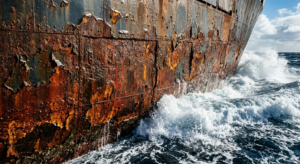
Did you know that hull fouling can escalate a vessel’s fuel consumption by up to 40%? For marine professionals, fleet managers, and shipowners, choosing the right marine coating is more than routine maintenance—it’s a critical financial decision. 🚢 The maritime industry is currently navigating immense pressure from rising fuel costs, volatile freight rates, and stringent global environmental regulations. This means the paint system you select during your next dry-dock directly impacts your bottom line for years to come.
In this deep dive, we conduct a crucial INTERNATIONAL PAINT vs. JDmarine PAINT marine coatings comparison to empower you with a data-driven choice. While International Paint (a renowned AkzoNobel brand) has long been a heavyweight in the industry, agile innovators like JDmarine are turning heads. JDmarine is rapidly gaining market share by delivering premium, heavy-duty performance with an unbeatable return on investment.
But how do these brands truly compare beyond marketing materials? We’ll evaluate their performance on total cost of ownership, antifouling capabilities, durability, and overall economic impact, providing the facts you need to optimize your fleet’s profitability.
The True Cost of Marine Coatings: Beyond the Initial Price Tag
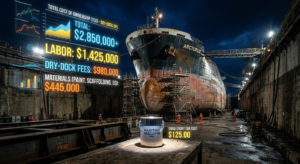
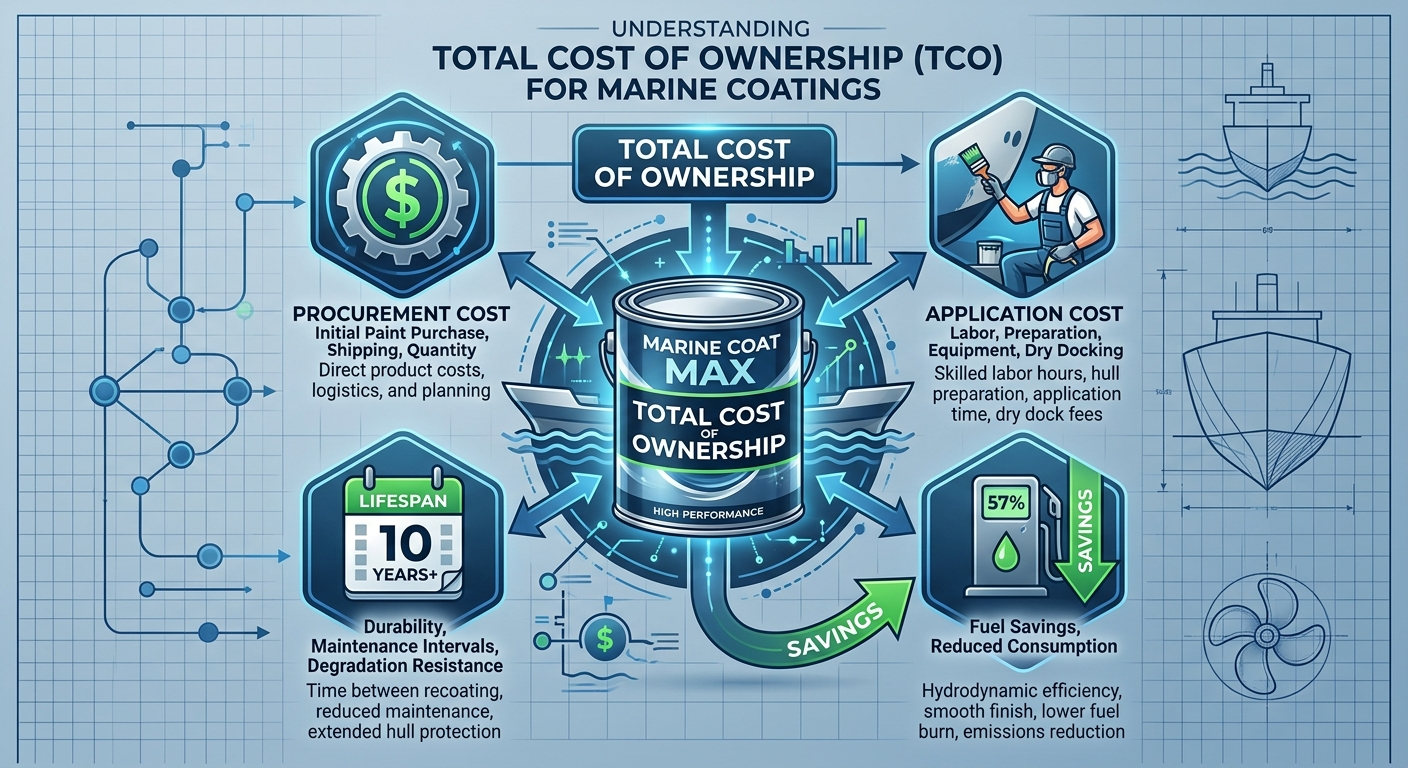
When conducting an INTERNATIONAL PAINT vs. JDmarine PAINT marine coatings comparison, the most common mistake is focusing only on the price per liter. To grasp the real financial impact, you must evaluate the total cost of ownership (TCO) over the vessel’s entire lifecycle.
TCO in marine coatings encompasses several factors:
- ✓Initial Procurement: The upfront purchase cost of the paint.
- ✓Application Cost Analysis: Expenses for surface prep, staging, equipment, and labor required to apply the system.
- ✓Lifespan: The coating’s ability to maintain its integrity under harsh marine conditions.
- ✓Vessel Operational Costs: Long-term expenses tied to maintenance, touch-ups, and hydrodynamic drag impacting fuel consumption.
International Paint commands a premium price, largely due to its established brand recognition and vast distribution network. While their products offer reliable performance, this brand legacy often inflates upfront costs, pressuring dry-dock budgets.
JDmarine, in contrast, engineers high-performance coatings that rival legacy brands but are structured to manage your capital expenditures. By streamlining their supply chain and focusing on technical formulation over large marketing budgets, JDmarine offers efficient solutions. A prime example is the JDC53-31 Red Lead Alkyd Anti-Rust Paint. This product delivers exceptional penetration and adhesion even on manually prepared steel. By being more forgiving of less-than-perfect surface preparation, it significantly reduces labor costs during application while ensuring robust, long-lasting anti-corrosive protection.
Evaluating Marine Antifouling Performance and Fuel Efficiency
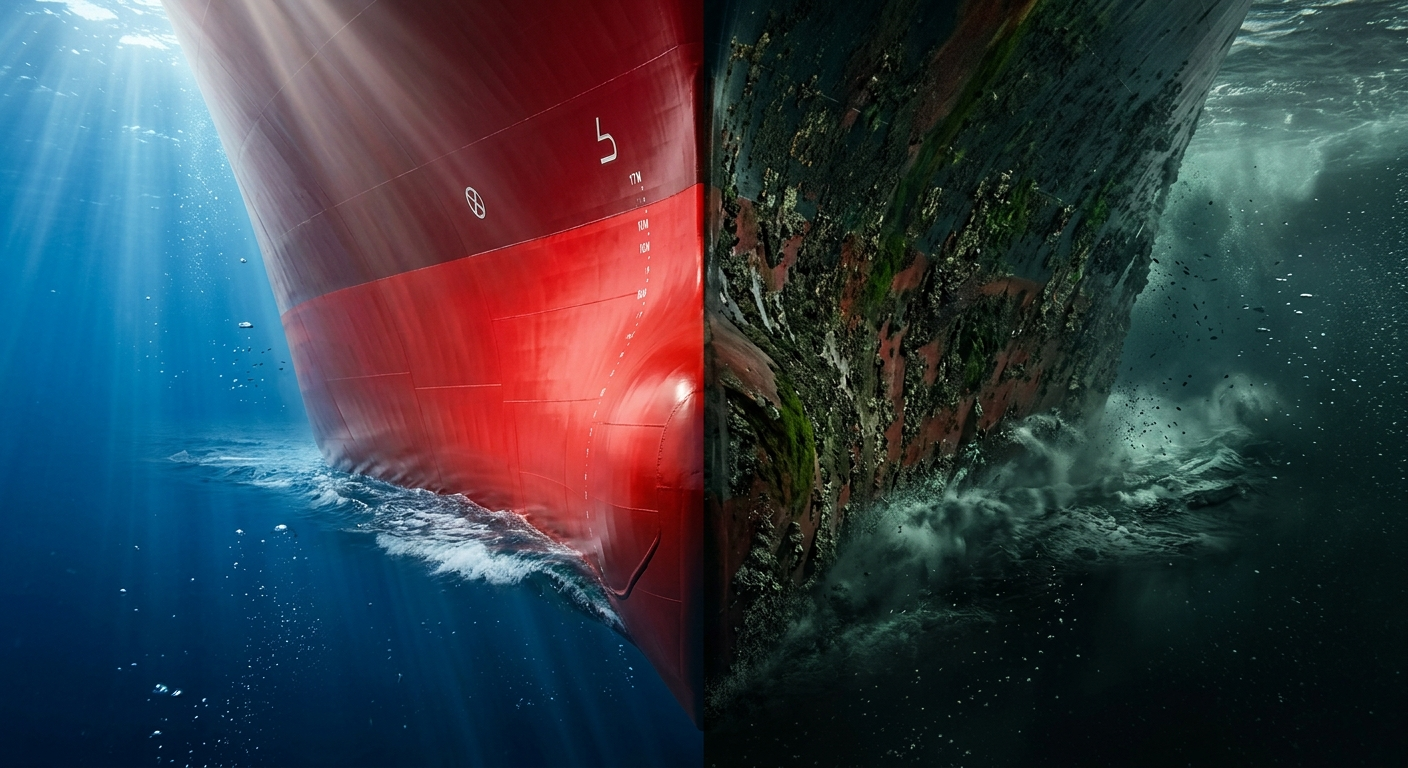
The ship’s hull is where the battle against operational inefficiency is won or lost. Micro-fouling (slime, algae) and macro-fouling (barnacles, tube worms) create significant hydrodynamic drag, forcing the engine to work harder. Therefore, exceptional marine antifouling performance is directly linked to massive fuel efficiency savings.
International Paint’s antifouling lines, like their Intersmooth and Interswift series, use advanced self-polishing copolymer (SPC) technology for a steady release of biocides. This is highly effective but often comes with a steep price that inflates the overall TCO.
In a detailed INTERNATIONAL PAINT vs. JDmarine PAINT marine coatings comparison, JDmarine’s antifouling solutions emerge as a formidable, cost-effective alternative. For instance, the JD753 Tin-free self-polishing antifouling paint uses state-of-the-art hydrolytic technology. As the ship moves, the coating polishes at a controlled rate, constantly exposing a fresh, active layer of biocides to repel fouling organisms.
The key benefits include:
- ⚓Consistent Hull Smoothness: By preventing biofouling, the hull remains hydrodynamically smooth, leading to significant fuel efficiency savings.
- ⚓Eco-Friendly Formulation: Being tin-free, it adheres to modern IMO regulations.
- ⚓Predictable Performance: The controlled polishing rate ensures reliable protection regardless of the vessel’s route, lay-up periods, or speed.
Hull Coating Durability and Environmental Compliance
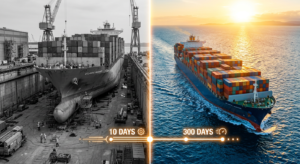
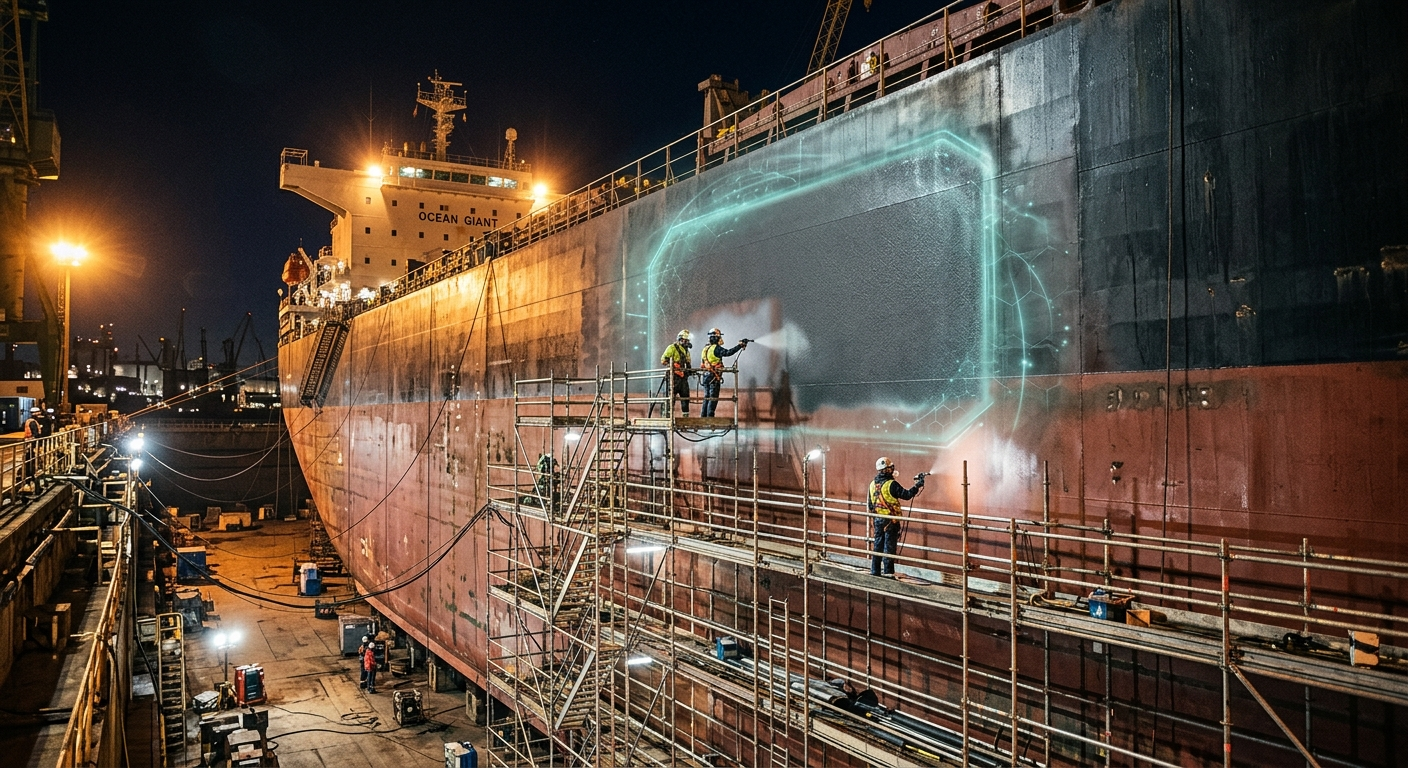
Every day a vessel spends in dry-dock is a day it isn’t generating revenue. Extending dry-docking intervals from the standard 36 months to 60 or even 90 months is a top priority for forward-thinking fleet managers. This goal hinges on hull coating durability and the strength of the underlying anti-corrosion primer system.
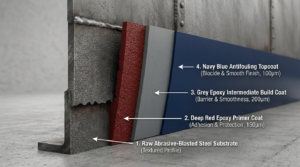
International Paint offers robust epoxy systems like their Intershield range, designed for high-impact resistance. However, achieving optimal results can require a specific, temperature-sensitive application process, potentially extending dry-dock time.
JDmarine simplifies this with tough, high-build primers offering superior barrier protection in fewer steps. For example, the JDH06-4 Epoxy Zinc-Rich Anti-Rust Primer provides outstanding cathodic protection. Its high zinc content acts as a sacrificial layer, ensuring that even if the topcoat is compromised, the underlying steel remains protected against aggressive marine corrosion.
Beyond physical durability, marine coatings must meet rigorous corrosion resistance standards (like ISO 12944) and often require specific class society approvals. From minimizing VOC emissions to ensuring paints don’t contain banned substances, environmental compliance is non-negotiable. A review of any marine paint technical data sheet from either brand reveals extensive testing for salt spray resistance, adhesion, and UV degradation.
For above-waterline areas facing constant UV exposure, maintaining aesthetics and protection is vital. JDmarine’s JD908 Acrylic Polyurethane Topcoat Non-Yellowing Resistant is engineered for this exact challenge. It offers fantastic gloss retention and weatherability, ensuring your vessel looks pristine while conforming to the highest protection standards.
INTERNATIONAL PAINT vs. JDmarine PAINT: The Final Verdict
So, which coating system offers the best value for maritime professionals?
International Paint is a safe, proven choice with global availability and a long history of reliability. However, this legacy comes at a significant financial premium, increasing initial expenditure and potentially lengthening ROI.
JDmarine Paint represents the smart, strategic choice for modern fleet managers focused on optimizing operational budgets without sacrificing performance. As this INTERNATIONAL PAINT vs. JDmarine PAINT marine coatings comparison highlights, JDmarine excels by:
- Significantly lowering the total cost of ownership through competitive pricing and a favorable application cost analysis.
- Maximizing fuel efficiency savings with advanced, eco-compliant antifouling technology.
- Ensuring maximum hull coating durability, which safely extends lucrative dry-docking intervals.
By evaluating your operational needs and consulting the marine paint technical data sheet for specific JDmarine products, you can engineer a coating system that balances elite protection with superior financial performance. 🌊
Conclusion
Navigating the complexities of marine coatings demands looking beyond brand recognition. It requires a rigorous analysis of performance data, application mechanics, and long-term durability.
Key Takeaways:
- Evaluating the total cost of ownership means analyzing labor, fuel savings, and maintenance, not just the cost per liter.
- Superior marine antifouling performance is the primary driver for achieving significant fuel efficiency savings and reducing your fleet’s carbon footprint.
- Durable primers and topcoats are the secret to safely extending dry-docking intervals and maximizing vessel uptime.
- Our INTERNATIONAL PAINT vs. JDmarine PAINT marine coatings comparison shows that JDmarine offers a highly competitive, financially advantageous alternative to legacy brands.
Next Steps & Further Reading
Ready to optimize your fleet’s coating strategy and reduce your maintenance budget? Start by reviewing your recent dry-docking reports and vessel operational costs, then compare those against the performance metrics of JDmarine’s coatings.
To aid your research, check out these valuable industry resources:
- IMO Guidelines on Biofouling Management – Understand the latest international regulations and standards.
- AMPP International Corrosion Standards – Dive deep into global corrosion resistance standards and testing.
- The Maritime Executive: Ship Maintenance Trends – Stay updated on vessel operational costs, shipyard management, and fuel efficiency.