Silicone vs. Biocide: Your Smart Path to Sustainable Shipping Profit!
Hey there, shipping pros! Navigating the vast ocean isn’t just about charting a course; it’s about making smart decisions that hit your bottom line. And when it comes to keeping your vessel performing its best, few choices are as crucial as your anti-fouling solution. We’re talking about more than just a clean hull; it’s a strategic move for sustainable maritime profitability. In this deep dive, we’re tackling the big question: silicone vs. biocide-based fouling release systems. Get ready to discover how this choice impacts your operational costs, future environmental compliance, and the entire approach to fleet management for a greener future!
For ages, biocide-based anti-fouling paints were the go-to, battling marine growth by releasing active chemicals, often copper. And sure, they worked! But let’s be real: those days are fading fast. With mounting environmental concerns and super strict IMO regulations, these traditional solutions are under the microscope. That’s why silicone-based fouling release coatings are soaring into the spotlight as the ultimate eco-friendly game-changer! For savvy vessel operators, grasping the ins and outs of both is key to boosting your ROI, slashing operational costs, and acing environmental compliance.

The Truth About Biofouling: Your Hull’s Performance is Your Wallet’s Lifeline!
Think biofouling is just a minor visual issue? Think again! That marine growth clinging to your hull is a serious thief, silently siphoning away your vessel’s efficiency and profits. Even a tiny layer disrupts your hydrodynamic efficiency, causing more drag and guzzling more fuel. It’s simple: better hull performance equals mind-blowing fuel efficiency, which means drastically lower operational costs throughout your vessel’s entire life!
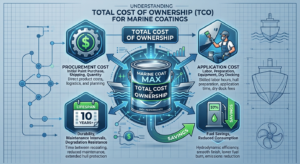
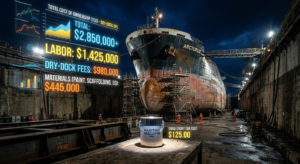
Imagine your ship battling moderate biofouling. That extra drag means your engines are working overtime just to maintain speed, burning way more fuel than necessary. In our world, where fuel is often the biggest expense, even a small bump can cost a massive fleet millions a year! This isn’t just about fuel; it’s about your vessel’s overall Total Cost of Ownership (TCO). Plus, severe fouling means more frequent, expensive dry-docking for cleaning and re-coating, hiking up maintenance costs and keeping your vessel out of action. Ouch!
And let’s not forget the regulations! IMO regulations are getting tougher than ever on emissions and environmental impact. The push for green shipping and decarbonization isn’t just a trend; it’s a mandate. Vessel operators must find solutions that not only supercharge efficiency but also shrink their ecological footprint. So, smart biofouling management isn’t just good for your books; it’s absolutely essential for truly sustainable maritime operations.

Biocide-Based Fouling Release: The Old Guard Under Fire
For ages, classic biocide-based anti-fouling paints (like our robust JD753 Tin-free self-polishing antifouling paint and JD713 Chlorinated Rubber Antifouling Paint, and our reliable JD744 Chlorinated Rubber Antifouling Paint) were the undisputed champions of marine coatings. They fought off marine invaders by continuously releasing biocides – think copper compounds – forming a toxic shield.
And yes, they were effective. But here’s the rub: their environmental impact is now under a microscope. That constant drip of biocides, especially copper, is tough on our precious marine ecosystems. We’re talking serious ecotoxicity concerns here. These chemicals can build up in the ocean, harming biodiversity and potentially creeping into the food chain. As awareness skyrockets and rules get tighter, the long-term viability of purely biocide-based options is seriously being challenged.
The good news? Our industry is buzzing with innovation! Everyone’s on the hunt for brilliant copper-free coatings and cutting-edge anti-fouling solutions that keep your hull pristine without the environmental baggage. This isn’t just about dodging regulations; it’s a heartfelt commitment from the maritime sector to embrace more responsible, truly sustainable maritime practices.

Hello, Future! The Game-Changing Power of Silicone-Based Fouling Release
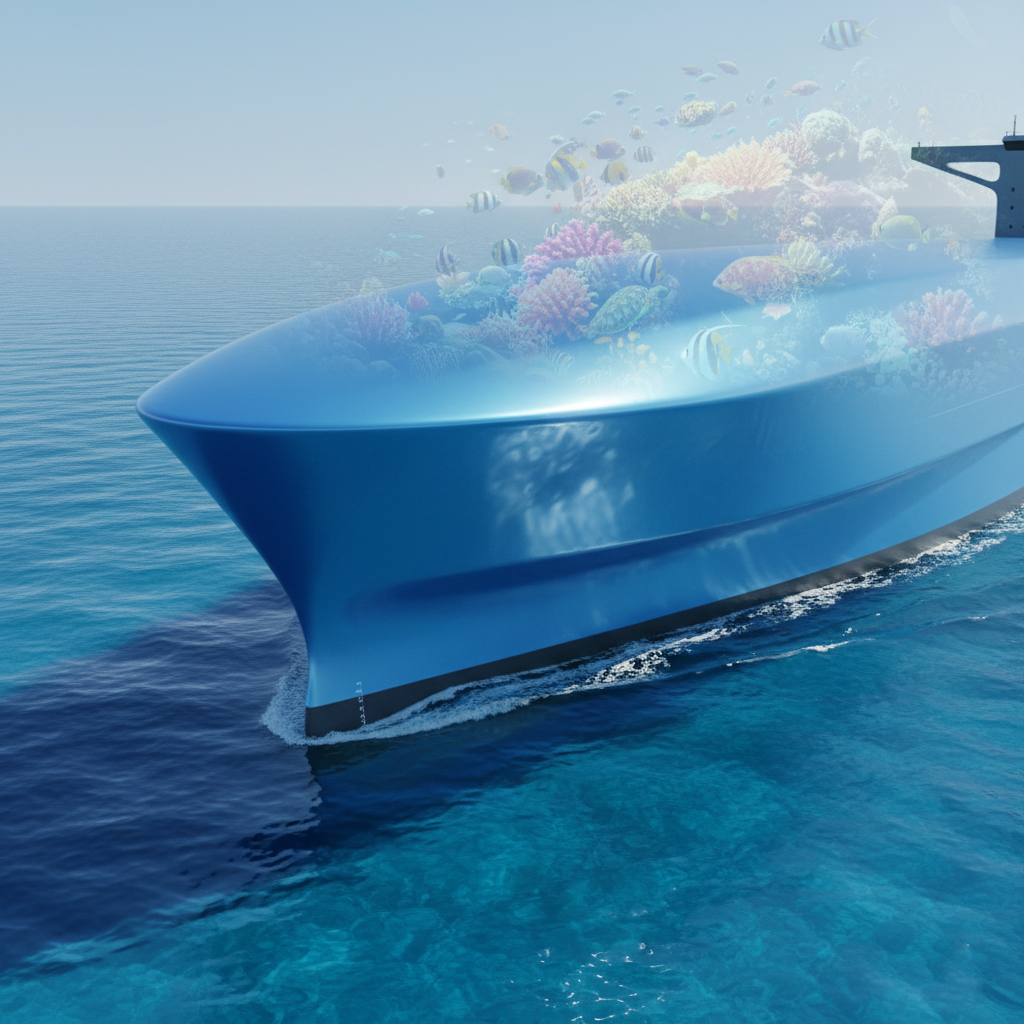
Get ready for a total game-changer: silicone-based fouling release coatings! This isn’t just an update; it’s a revolution in biofouling management. Forget toxic chemicals – silicone coatings are different. They create an unbelievably smooth, low-energy surface that makes it almost impossible for marine organisms to stick. When your vessel glides through the water, even at moderate speeds, the gentle force of the ocean simply washes any hitchhikers right off! Voila!
This innovative approach delivers some seriously impressive perks:
- Eco-Warrior Approved: This is huge! With zero biocides leaching into the sea, these coatings are perfectly aligned with green shipping principles. They help vessel operators nail environmental compliance, reduce ecotoxicity concerns, and build healthier marine environments. It’s a win-win for profits and the planet!
- Speed Demon & Fuel Saver: That super-slick surface dramatically slashes drag, giving you superior hydrodynamic efficiency. What does that mean for you? Massive fuel efficiency gains, dramatically lower operational costs, and a stellar boost to your ROI! For smart fleet management, optimizing fuel across your vessels can unlock colossal savings.
- Built to Last, Seriously: When we talk long-term performance, silicone systems are the champions. They boast extended service lives compared to many traditional paints, meaning way fewer dry-docking headaches for re-coating. Hello, significant maintenance savings and more uptime for your fleet!
- Performance You Can Count On: Forget efficacy that fades! Unlike biocide coatings that deplete over time, silicone coatings maintain their awesome release properties for their entire service life, as long as the surface is intact. Consistent results, every time.
Sure, the initial investment for silicone coatings might be a bit higher. But trust us, a smart look at your Total Cost of Ownership (TCO) often shows they’re the ultimate economic winner. Think superior fuel savings, drastically reduced maintenance, and smooth sailing through regulatory waters.
At JD Marine Paint, we’re all about pioneering advanced marine coatings that meet these demands head-on. While we proudly offer reliable traditional solutions, we’re passionate about pushing cutting-edge technologies for genuinely sustainable maritime operations. Need other top-tier protection and aesthetics? Explore our range: JDH825 Solvent-Free Epoxy Tie Coat for epic adhesion, or our dazzling topcoats like JD908 Acrylic Polyurethane Topcoat Non-Yellowing Resistant and JD918 Acrylic Polyurethane Hull Paint (Yellowing resistance). Plus, we’ve got JDB902 Acrylic Hull Paint, JDB903 Modified Acrylic Topcoat, JDC42-31 Alkyd Boottopping Paint, JDC42-32 Alkyd Deck Paint, JDC43-31 Alkyd Hull Paint, and our unbeatable JDFT810 Fluorocarbon Topcoat for peak protection!
Time to Choose Wisely: Silicone vs. Biocide-Based Fouling Release for Your Fleet
Picking between silicone vs. biocide-based fouling release systems isn’t just a simple choice; it’s a strategic powerhouse decision! It’s all about matching your vessel’s unique operating profile, trade routes, and your long-term environmental and financial ambitions.
Why Silicone-Based Fouling Release is Your Smarter Bet:
- Always on the Move? If your vessels cruise at regular speeds and are frequently in motion, they’ll thrive with silicone’s amazing “self-cleaning” power.
- Long-Haul Journeys? Those extended service lives and massive fuel efficiency gains translate into an incredible ROI for long-voyage champions.
- Eco-Conscious Captain? If green shipping and rock-solid environmental compliance are your North Star, silicone is your obvious, brilliant choice.
- TCO Obsessed? Smart vessel operators who focus on the full Total Cost of Ownership will adore the long-term maintenance savings and undeniable fuel efficiency.
When Biocide-Based Anti-Fouling Might Still Be in the Picture (tread carefully!):
- Long Stays at Anchor? For vessels that spend ages stationary or barely moving, where water flow can’t activate silicone’s cleaning magic, some biocide-based options might still be considered in specific niches. But seriously, the environmental red flags are waving, and awesome biocide-free alternatives are popping up fast!
- Super Niche Rules: In ultra-specific areas with very localized rules and tight environmental monitoring, a traditional solution could still have a spot. But let’s be clear: this is becoming rarer than a calm day in the high seas!
The bottom line? The industry is zooming towards sustainability, no doubt about it. The incredible advantages of silicone-based fouling release – think superior fuel efficiency, dramatically lower operational costs, seamless environmental compliance, and unbeatable long-term performance – make it an irresistible and super-smart investment for today’s forward-thinking maritime world.
The Future is Clear: Sustainable Maritime is Here!
Listen up! The maritime industry is on a one-way trip to sustainability, and there’s no turning back. With the fierce drive for decarbonization, super-strict IMO regulations, and a global promise to protect our marine life, cutting-edge marine coatings and anti-fouling solutions aren’t just cool extras – they are absolutely essential. The showdown between silicone vs. biocide-based fouling release technologies is leading this incredible transformation!
Making a smart investment in advanced biofouling management (especially with awesome silicone-based fouling release coatings!) is the proactive move. It secures your future profitability and screams your commitment to responsible shipping. It’s so much more than just fending off barnacles; it’s about perfecting your hull performance, skyrocketing fuel efficiency, wiping out ecotoxicity concerns, and genuinely building a sustainable maritime future. As savvy vessel operators and sharp fleet management teams navigate these exciting yet complex waters, picking the perfect anti-fouling strategy will define your success and your legacy for a healthier planet. Let’s make waves!
Key Takeaways for Smart Shipping:
- Don’t let biofouling steal your profits! It slams your fuel efficiency and hikes operational costs.
- Silicone-based fouling release is your eco-champion, offering superior environmental benefits and unbeatable hydrodynamic efficiency over old biocide coatings.
- Think Total Cost of Ownership (TCO)! Silicone often wins big with awesome maintenance savings and massive fuel gains.
- Environmental compliance and strict IMO regulations are pushing us all towards a greener, brighter green shipping future.
- Strategic choices in marine coatings are the secret sauce for seriously sustainable maritime profitability.
Dive Deeper:
- See how IMO is making waves for cleaner shipping: https://www.imo.org/
- Explore the latest breakthroughs in marine coating tech: https://www.maritime-executive.com/
- Unlock the economics of sustainable shipping: https://unctad.org/topic/transport-and-trade-facilitation/shipping