Boost ROI: Smart Marine Paint Choices for Shipyards
In the fast-paced maritime world, every decision made in a shipyard ripples through a vessel’s entire life. Among these crucial choices, selecting the right marine paint is absolutely paramount. It’s more than just a splash of color; it’s a strategic investment that directly impacts a ship’s longevity, operational efficiency, regulatory compliance, and ultimately, your financial returns. Shipyards, as guardians of these invaluable assets, need a comprehensive marine paint selection guide for shipyards that looks beyond initial costs, diving deep into the long-term advantages of superior marine coatings.
This article will uncover the many factors involved in choosing the ideal marine paint, offering insights to help shipyards maximize vessel lifespan, navigate complex regulations, and achieve significant return on investment. From cutting-edge antifouling systems to robust corrosion protection, grasping the nuances of paint specifications is key to unlocking peak vessel performance and slashing future maintenance expenses.
The Power Duo: Protection and Performance from Marine Coatings
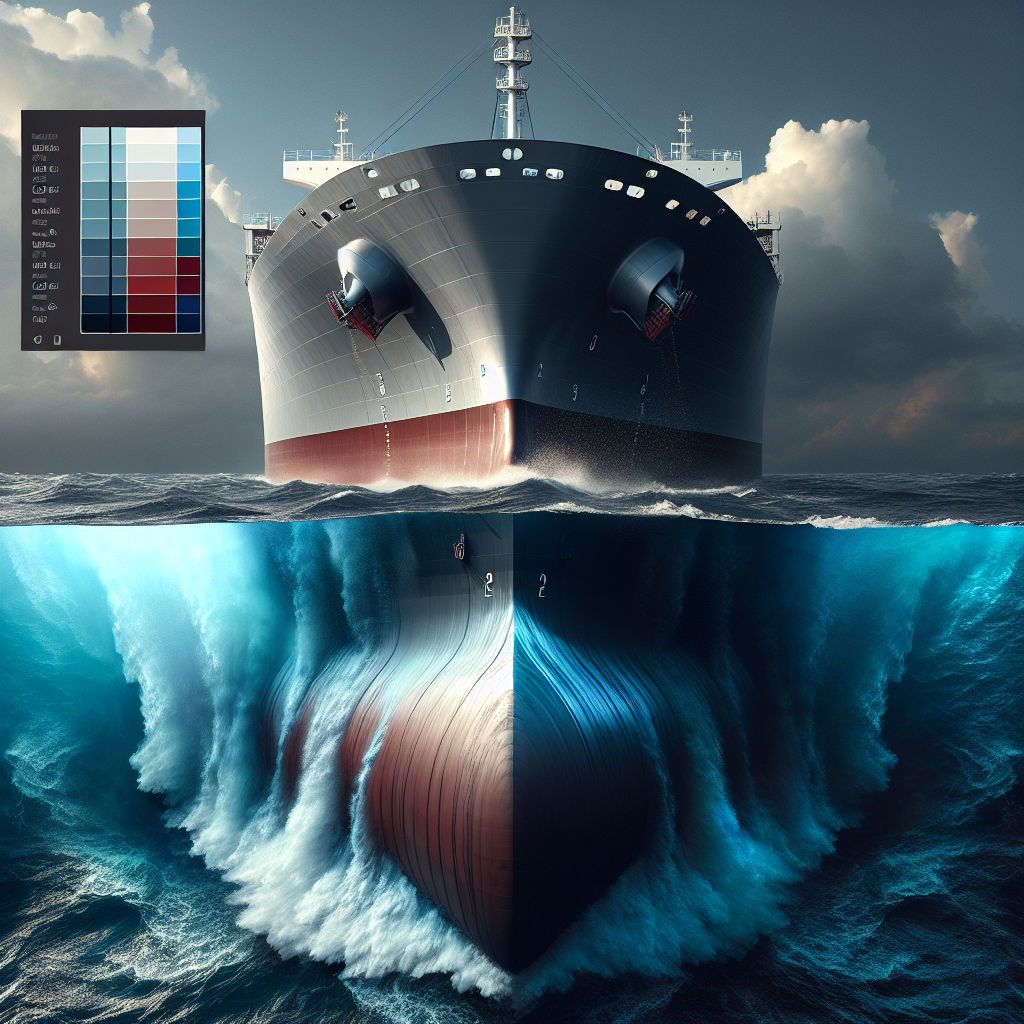
At its core, marine paint serves two vital functions: shielding your vessel from the ocean’s harsh embrace and boosting its operational prowess. Hitting these targets demands a deep dive into the daily challenges ships endure.
Corrosion: Your First Line of Defense 🛡️
Corrosion is the relentless foe of any steel structure in saltwater. Left unchecked, it can cripple structural integrity, lead to eye-watering repairs, and dramatically shorten a vessel’s life. Effective corrosion protection, therefore, isn’t just an option; it’s a non-negotiable for any marine coating system.
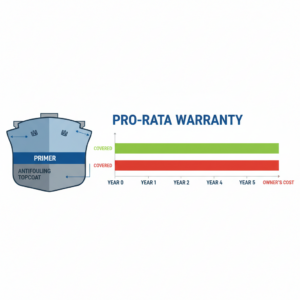
Modern anti-corrosive marine coatings are engineered to forge an impenetrable shield between the metal substrate and corrosive elements like salt, oxygen, and moisture. This typically involves multi-coat systems, kicking off with high-performance primers. For instance, a phenomenal start for rock-solid protection is a product like JDC53-31 Red Lead Alkyd Anti-Rust Paint, renowned for its potent anti-corrosive properties, laying down a formidable base coat. For even greater durability and enhanced adhesion, especially in demanding spots, a tie coat such as JDH817 MIO Epoxy Anti-Rust Tie Coat can be absolutely critical. This intermediary layer guarantees optimal performance for subsequent topcoats and provides an extra barrier against rust and wear.
When evaluating anti-corrosive paints, shipyards should weigh:
- Adhesion properties: How tightly the paint grips the shipbuilding materials.
- Barrier properties: The paint’s prowess in keeping water and ions from reaching the steel.
- Sacrificial pigments: In some cases, primers pack pigments that corrode first, safeguarding the steel.
- Longevity: The expected service life before significant breakdown, directly affecting drydocking schedules.
Investing in top-tier corrosion protection upfront dramatically cuts down future maintenance costs and stretches out drydocking intervals, directly contributing to a lower total cost of ownership (TCO). Talk about smart money!
The Underwater War: Cutting-Edge Antifouling Systems 🐙
Biofouling – that unwelcome buildup of marine organisms like barnacles, algae, and mussels on a ship’s hull – is a major headache for vessel operators. It ramps up hydrodynamic drag, spiking fuel consumption and throttling vessel performance. This is precisely where advanced antifouling marine coatings shine.
Historically, antifouling paints leaned heavily on biocides, like tin compounds, to ward off marine growth. However, strict environmental regulations, especially from the IMO (International Maritime Organization), have pushed the industry toward greener solutions, including biocide-free paints and advanced self-polishing antifouling tech.
Modern antifouling marine coatings either slowly release biocides (in compliant formulations) or create a super-slick surface that marine organisms struggle to cling to. Self-polishing paints, such as JD753 Tin-free self-polishing antifouling paint, are crafted to shed a microscopic layer over time, constantly refreshing the active surface and preventing buildup. This not only keeps the hull pristine but also ensures consistent fuel efficiency coatings, a crucial factor in slashing operational costs and carbon emissions.
Key considerations for antifouling selection:
- Environmental impact: Ensuring compliance with local and international environmental rules on biocide release.
- Vessel speed and operational profile: Different antifouling types perform best under specific conditions.
- Drydocking interval: The paint’s expected lifespan should sync with planned maintenance cycles.
- Fuel efficiency benefits: Quantifiable savings from reduced drag – a direct win for your bottom line.
The right antifouling paint can significantly amplify vessel performance, dramatically reduce fuel expenses, and cut down on the frequency and cost of hull cleaning, delivering substantial ROI throughout the vessel’s operational life.
Navigate Regulations, Embrace Sustainability 🌍
The marine industry faces intense scrutiny over its environmental footprint. This profoundly impacts marine paint selection, with a strong focus on regulatory adherence and embracing eco-friendly solutions. Shipyards must stay ahead of evolving standards to dodge penalties and champion a sustainable maritime future.
Adhering to International Standards 📜
International Maritime Organization (IMO) standards and various regional environmental regulations dictate what substances can be used in marine coatings. The TBT (tributyltin) ban in antifouling paints, for example, was a monumental shift that forced manufacturers and shipyards to innovate. Today, shipyards absolutely must ensure all marine coatings selected comply with the latest IMO standards and national environmental laws.
This means:
- Verifying product certifications: Confirming paints meet specific safety and environmental benchmarks.
- Understanding VOC (Volatile Organic Compound) limits: Reducing emissions during application.
- Disposal protocols: Proper handling and disposal of hazardous waste linked to paint application and removal.
Partnering with reputable suppliers who are gurus in global regulatory compliance is fundamental for any effective marine paint selection guide for shipyards.
Eco-Friendly Solutions for a Brighter Future ♻️
Beyond mere compliance, many shipyards are actively seeking marine coatings that boast superior environmental performance. This includes:
- Biocide-free paints: Innovations in foul-release coatings that create ultra-low-friction surfaces, making it tough for organisms to stick.
- Low VOC/solvent-free paints: Cutting air pollution during application, enhancing working conditions, and minimizing environmental impact. For instance, for specific applications, a product like JDH825 Solvent-Free Epoxy Tie Coat showcases a clear move towards less environmentally harmful solutions.
- Sustainable raw materials: Exploring paints crafted from more renewable or less toxic components.
Embracing these eco-friendly options not only ensures compliance but also elevates a shipyard’s reputation, attracting environmentally conscious clients and contributing to a greener shipping industry. It’s a win-win!

The Economics of Excellence: ROI, TCO, and Smart Application 💰
While protection and compliance are critical, the economic punch of marine paint selection cannot be overstated. Shipyards must zoom in on the total cost of ownership (TCO) and application efficiency to ensure their choices deliver a robust return on investment (ROI).
Beyond the Price Tag: Understanding Total Cost of Ownership 💸
The initial purchase price of marine coatings is just one piece of the puzzle. A truly strategic marine paint selection guide for shipyards must account for ALL costs across a vessel’s operational life. This includes:
- Application costs: Labor, equipment, and surface preparation – don’t forget these!
- Maintenance costs: Regular cleaning, touch-ups, and dealing with coating failures.
- Drydocking frequency and costs: How long does that paint system really last before needing a full refresh?
- Fuel consumption: The direct impact of antifouling and hull smoothness on fuel efficiency.
- Downtime costs: Lost revenue while the vessel is out of commission for maintenance – a hidden expense!
A cheaper paint might look tempting initially, but if it demands more frequent drydocking, drives up fuel consumption, or suffers premature coating failures, its TCO will skyrocket. High-performance marine coatings, despite a higher upfront cost, often prove to be far more economical in the long haul due to extended lifespan, reduced maintenance, and boosted vessel performance.
Optimizing Application for Lasting Results ✨
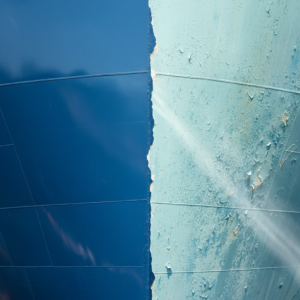
Even the world’s best marine paint will fail if not applied correctly. Proper surface preparation is paramount. This means:
- Thorough cleaning: Banishing all contaminants, old paint, rust, and scale.
- Abrasive blasting: Hitting the perfect surface profile for maximum adhesion.
- Environmental control: Applying paint under specific temperature and humidity conditions – don’t cut corners here!
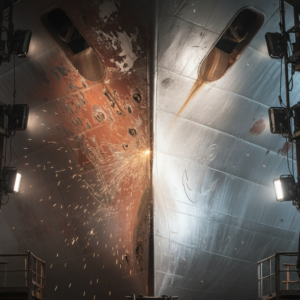
Application efficiency also plays a major role in TCO. Paints that offer faster drying times, demand fewer coats, or can be applied in a wider range of conditions can significantly slash labor costs and drydocking time. This is where choosing the right supplier becomes absolutely crucial, as reputable partners often provide technical support and training to ensure optimal application and minimize the risk of coating failures.
Making the Smart Choice: Your Comprehensive Marine Paint Selection Guide for Shipyards
Pulling all these factors together, shipyards need a systematic approach to selecting marine paints. This involves deeply understanding the unique needs of each vessel and working hand-in-hand with trusted suppliers.
Tailoring Paint Specs to Vessel Needs 🚢
Different areas of a ship demand different types of protection. A thoughtful approach to paint specifications means:
- Hulls: For hulls, where stunning aesthetics meet rugged durability and performance, products like JD918 Acrylic Polyurethane Hull Paint (Yellowing resistance) or JDB902 Acrylic Hull Paint deliver excellent protection and a lasting finish. For a more traditional, robust solution, JDC43-31 Alkyd Hull Paint offers reliable performance.
- Decks: Deck paints must endure extreme abrasion, brutal UV radiation, and heavy traffic. JDC42-32 Alkyd Deck Paint is formulated to offer superior resistance in these harsh conditions.
- Boottopping: The waterline area, affectionately known as boottopping, constantly battles wet and dry cycles, demanding specialized protection. JDC42-31 Alkyd Boottopping Paint is specifically designed to conquer this challenging zone.
- Superstructures and topsides: For areas baking under intense UV and weather, non-yellowing, high-gloss finishes are the go-to. JD908 Acrylic Polyurethane Topcoat Non-Yellowing Resistant and JDB903 Modified Acrylic Topcoat provide excellent color retention and durability. For ultimate performance and long-term aesthetic appeal, a product like JDFT810 Fluorocarbon Topcoat offers superior weatherability and gloss retention.
- Internal tanks: For potable water tanks, specialized coatings are absolutely essential to guarantee water quality and compliance with health standards. JDH912 Epoxy Potable Water Tank Coating is a prime example of such a critical product.
- Heat-resistant areas: Components enduring high temperatures, like exhausts, demand specific heat-resistant paints such as JDC200 Aluminum Alkyd Heat-Resistant Paint.
This tailored approach, considering specific shipbuilding materials and operational stresses, is the hallmark of an effective marine paint selection guide for shipyards.
Final Word: Invest Smart, Sail Strong!
Strategic marine paint selection isn’t just a technical detail; it’s a critical business imperative for shipyards aiming to maximize vessel lifespan, ensure regulatory compliance, and achieve a strong return on investment. By meticulously weighing corrosion protection, advanced antifouling systems, environmental regulations, and the total cost of ownership, shipyards can make informed choices that benefit both their clients and their bottom line.
The journey toward optimal marine coating performance kicks off with understanding the intricate dance between product specifications, application efficiency, and long-term economic impact. Partnering with experienced suppliers who offer high-quality, compliant, and innovative marine coatings, such as those provided by JD Marine Paint, is fundamental. By embracing a holistic approach to their marine paint selection guide for shipyards, shipyards can ensure that every vessel they build or maintain is equipped for a long, efficient, and profitable life at sea.
Ready to optimize your shipyard’s marine paint selection process? Explore our full range of marine coatings and discover how our solutions can contribute to your vessel’s longevity and performance. Don’t just paint it; protect it strategically!