Slash Costs & Stay Compliant with Antifouling Paint
The Pro’s Guide to Balancing Cost, Performance, and Regulation
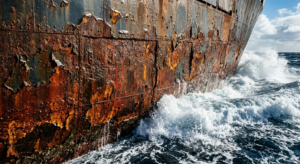
Marine biofouling is a silent profit killer. Every barnacle, algae spore, and tube worm clinging to your hull creates drag, forcing your engines to work harder. The result? Skyrocketing fuel consumption and rising emissions. For fleet managers and commercial vessel owners, the battle against marine growth isn’t just about maintenance—it’s about survival. How do you balance your budget, maximize vessel performance, and satisfy environmental regulators? 🚢
For decades, the answer has been copper-based antifouling paint.
While new technologies emerge, copper remains the global gold standard for clean hulls. But choosing the right coating is more complex than ever. You need a strategy that navigates rising operational costs, technological shifts, and strict environmental rules.
This guide will show you how modern copper-based antifouling paint works, how to manage your budget effectively, and how to select the right marine coatings to keep your vessels operating at peak efficiency.
How Copper-Based Antifouling Paint Works
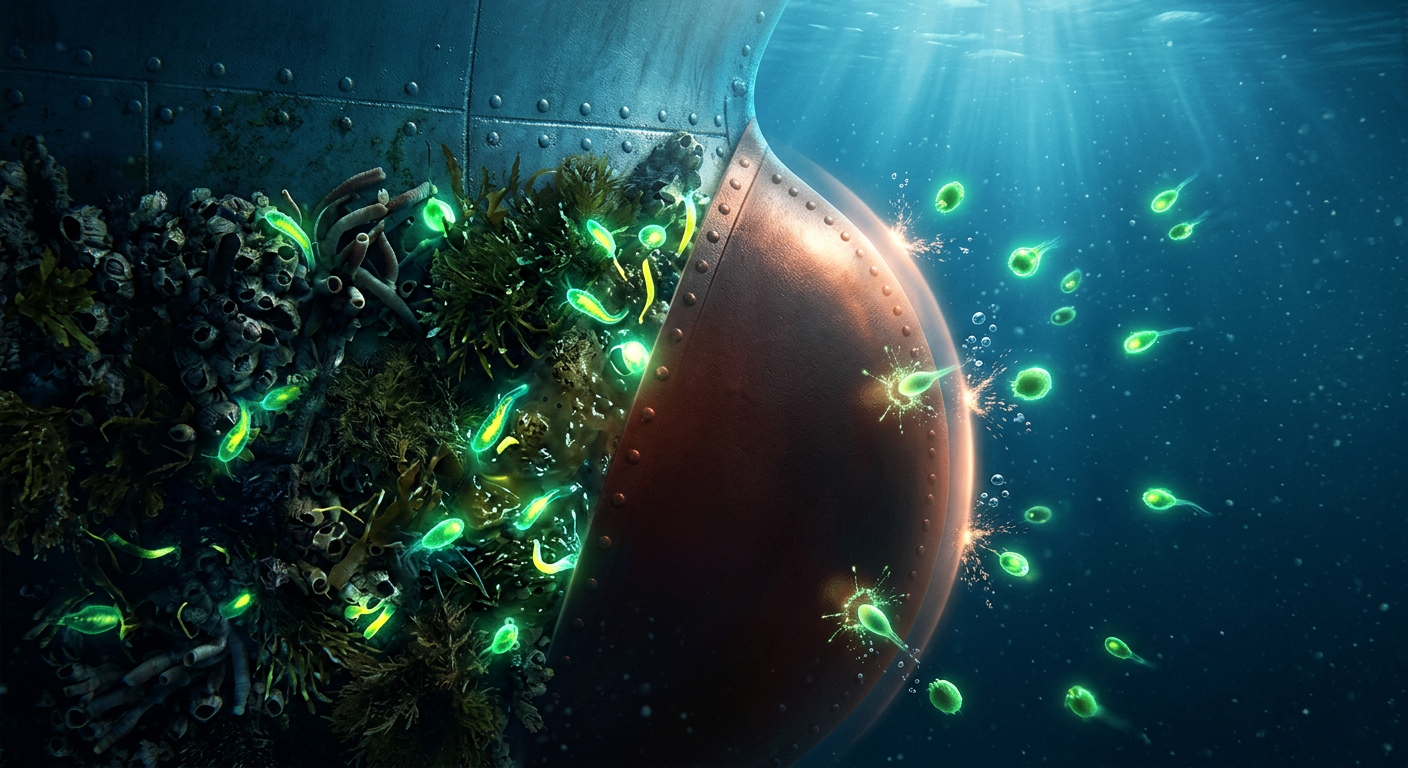
Let’s get straight to the science. The power behind these coatings is cuprous oxide.
When submerged, cuprous oxide in the paint releases at a controlled rate, creating a hostile micro-environment on the hull’s surface. This invisible shield prevents marine organisms—from slime to barnacles—from ever getting a foothold. A smooth hull is a fast hull, and that’s the key to superior hull performance.
Know Your Delivery System
The way the paint releases its biocide determines its performance and lifespan:
- Hard Antifouling Paints: These dry to a tough, porous finish. The biocide leaches out, leaving the hard paint matrix behind. They’re incredibly durable and withstand aggressive scrubbing, making them perfect for high-speed vessels or boats that are dry-stacked.
- Ablative (Self-Polishing) Paints: These paints wear away slowly as water flows over them, constantly exposing a fresh, potent layer of biocide. Because they don’t build up thick layers over time, you save countless hours of scraping and sanding during future maintenance.
No matter the type, a clean hull directly slashes vessel operational costs. Less drag means less power is needed to hit cruising speed, leading to dramatic fuel savings.
Navigating Marine Coating Regulations 🌊
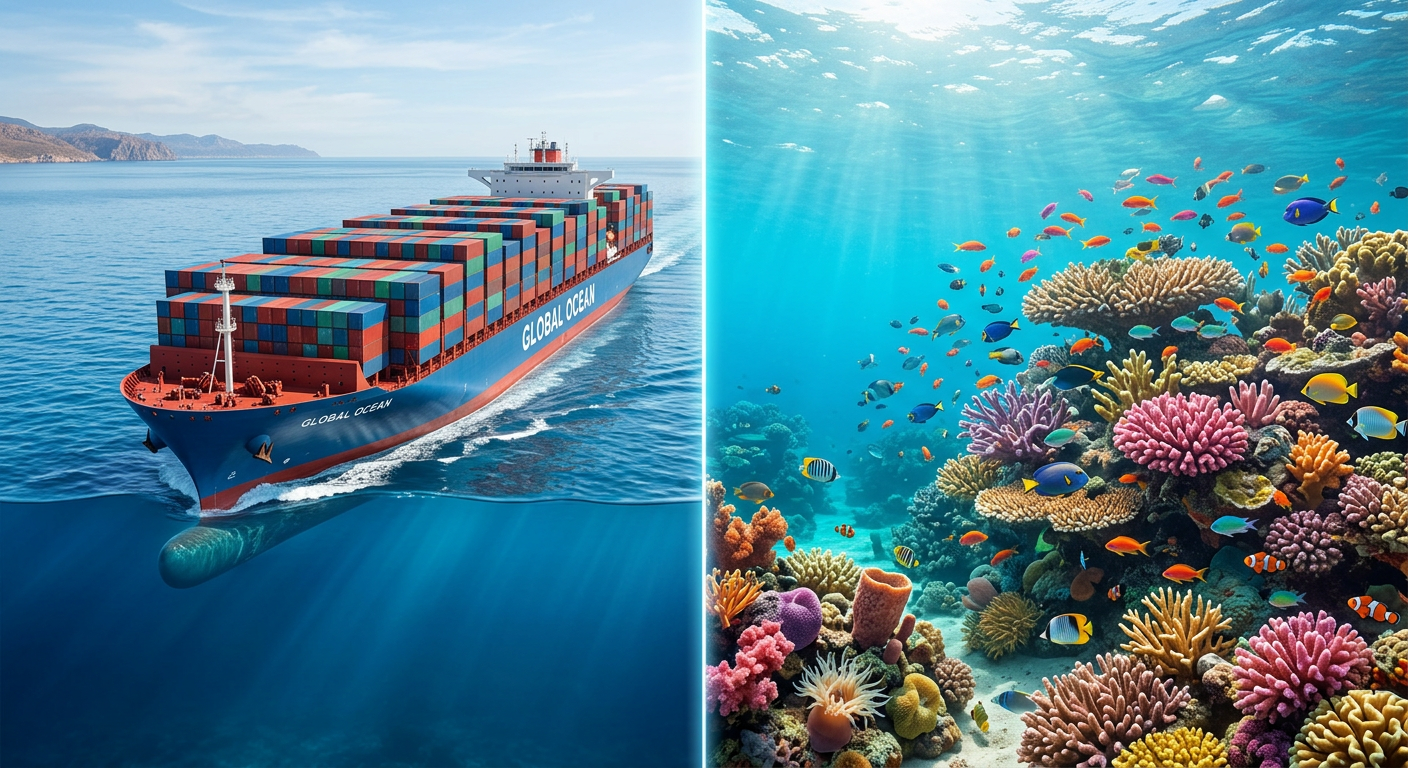
The economic benefits of copper are clear, but the regulatory landscape is tightening. Environmental agencies globally are focused on managing biocide leaching rates.
In stagnant harbors or sensitive estuaries, high concentrations of leached metals can impact local ecosystems. This has led to strict marine coating regulations that limit the amount of copper released into the water.
Achieve Compliance Without Compromise
Staying compliant doesn’t mean sacrificing protection. It means being strategic with your fouling control systems.
- Know the Law: Regions like California, Washington, and certain European ports have restricted high-copper paints. Always verify local rules before a recoat.
- Control the Leach Rate: Modern paints are engineered for a steady, controlled biocide release, ensuring long-lasting protection that meets environmental compliance standards.
- Embrace Advanced Alternatives: For vessels in highly sensitive or zero-copper zones, you need to consider copper-free alternatives.
Our JD753 Tin-free self-polishing antifouling paint offers a powerful, environmentally conscious solution. It uses advanced self-polishing technology to maintain a smooth hull without relying on outdated and restricted biocides like TBT, ensuring you meet modern standards with top-tier performance.
Maximize Your ROI: Extend Dry-Docking Intervals
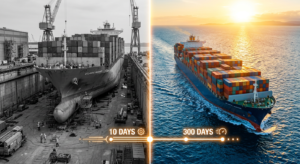
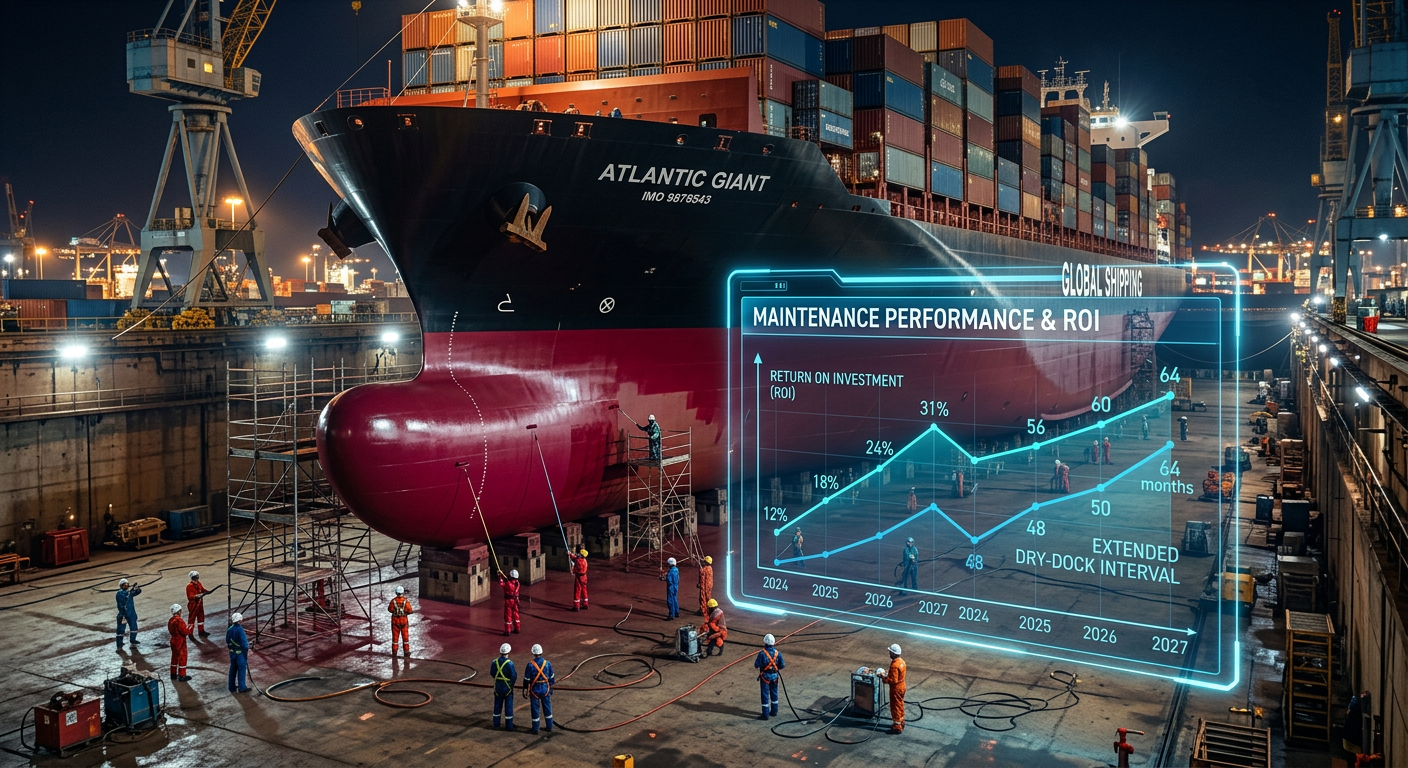
The true value of a marine coating isn’t its price per gallon; it’s how long it keeps your vessel in the water and earning revenue. Extending your dry-docking intervals is the ultimate goal.
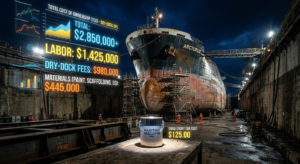
Every day a commercial vessel is in dry dock is a day of lost income. Premature coating failure is an operational and financial disaster.
Build a Bulletproof Coating System
To maximize its lifespan, your antifouling paint needs a rock-solid foundation. A premium topcoat is useless if the primer underneath fails.
- Step 1: The Right Foundation. A dedicated tie coat is essential for creating maximum adhesion between the primer and the antifouling paint. The JDH263 Epoxy Tie Coat acts as a chemical bridge, sealing the hull and gripping the topcoat to prevent delamination.
- Step 2: A Tough Topcoat. For commercial vessels demanding reliable protection, chlorinated rubber systems are a top choice. Products like the JD713 Chlorinated Rubber Antifouling Paint and the heavy-duty JD744 Chlorinated Rubber Antifouling Paint deliver exceptional water resistance and dependable biocide release to fight severe fouling.
A complete, properly applied system can push your dry-docking intervals to 36 or even 60 months.
The Hidden Savings of a Clean Hull
Consider the compounding financial impact of a continuously clean hull:
- Massive Fuel Savings: A heavily fouled hull can increase fuel consumption by up to 40%. A premium copper-based paint pays for itself in fuel efficiency alone.
- Reduced Engine Strain: Pushing a fouled hull causes premature engine wear, leading to more frequent and expensive overhauls.
- Streamlined Labor: Self-polishing paints eliminate the need for intense scraping. A simple high-pressure wash is often all that’s needed before recoating, saving days of shipyard labor.
Conclusion: Future-Proof Your Fleet
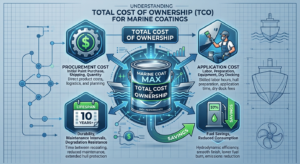
Protecting your vessel is a constant balancing act. You must weigh the upfront cost of premium coatings against the massive long-term savings in fuel and maintenance. You must also balance the proven effectiveness of copper-based antifouling paint with the demands of global environmental compliance.
Key Takeaways:
- Cuprous oxide remains a highly effective biocide for maximizing hull performance.
- Ablative systems are critical for reducing future surface preparation and labor costs.
- Stay ahead of marine coating regulations with controlled-leaching formulas or copper-free alternatives.
- A high-quality tie coat is the key to extending dry-docking intervals and maximizing ROI.
Before your next dry-docking, audit your vessel’s operational routes and fouling challenges. Upgrading your fouling control systems today is the surest way to stay profitable, efficient, and compliant tomorrow.
“`