Unlocking Value: A Strategic Guide to Newbuild Marine Coating Warranties
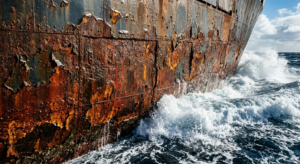
A newbuild vessel is a monumental investment, and its first line of defense against the harsh marine environment is a coating system less than a millimeter thick. For shipowners and operators, a Marine coating system warranty for newbuilds is not just a piece of paper; it’s a cornerstone of long-term vessel asset protection, a guarantee of quality, and an essential component of financial planning.
But what does this warranty truly guarantee? It’s a complex agreement that carefully balances shipyard liability, manufacturer promises, and owner responsibilities. Understanding its nuances is critical to preventing costly issues like premature coating failure, extending your vessel’s dry-docking cycle, and maximizing its operational life. This guide will clarify the newbuild marine coating warranty, empowering you to leverage it for ultimate investment protection.

What is a Newbuild Coating Warranty and Why is it Crucial?
At its heart, a marine coating warranty is a formal coating performance guarantee from the paint manufacturer, ensuring the system performs as specified for a set period, typically three to five years. It establishes a vital partnership between the shipowner, the shipyard, and the paint manufacturer.
This warranty is a framework that governs the entire coating process, from the initial newbuilding paint specification to the final handover, delivering tangible value far beyond simple repair coverage.
The True Value of a Warranty
- Financial Predictability: A solid warranty minimizes the risk of unforeseen, high-cost repairs from coating defects, enabling more accurate maintenance budgets and longer intervals between dry-dockings.
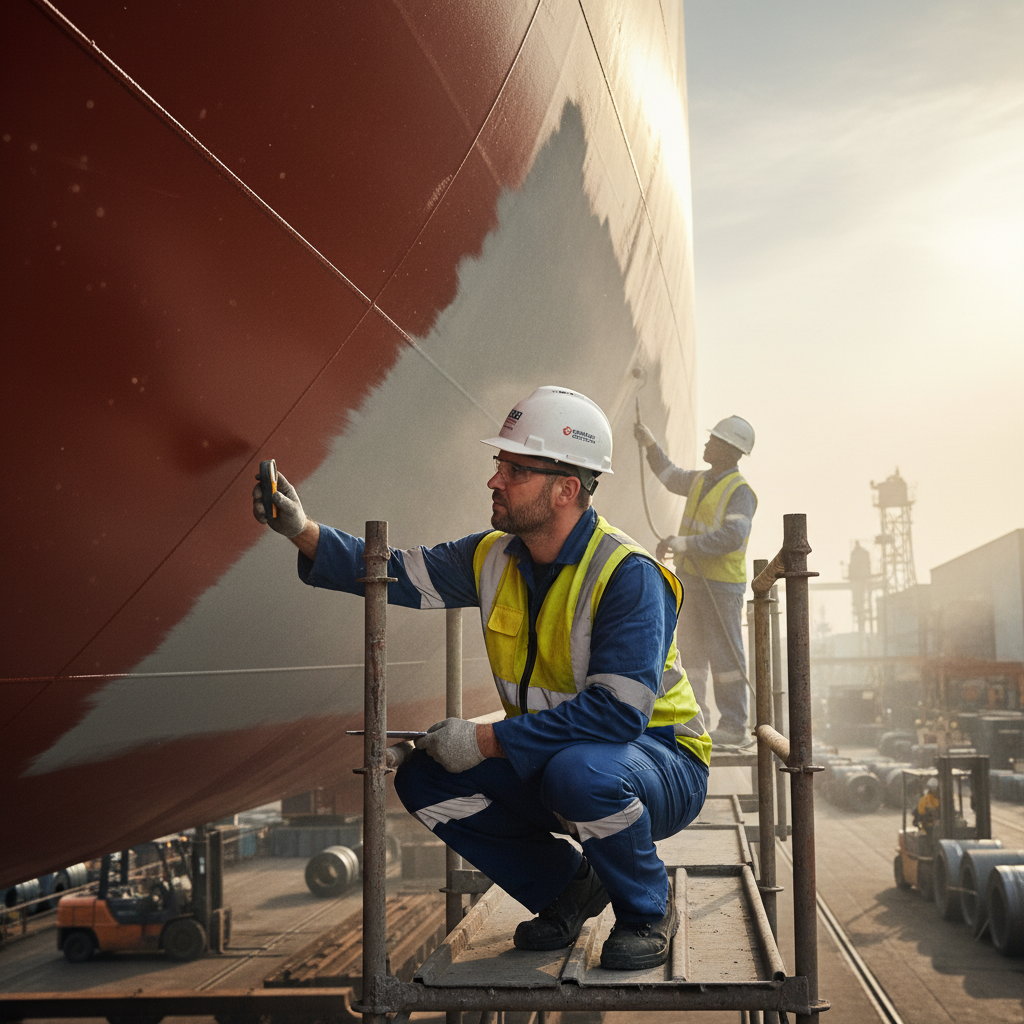
- Quality Assurance: The warranty process mandates strict quality control. Paint manufacturers deploy a technical service representative to the shipyard to supervise the project, enforcing adherence to critical surface preparation standards and application protocols.
- Asset Value Preservation: A vessel with a well-maintained and warranted coating system retains higher resale value. It demonstrates diligent care from day one and a lower risk of underlying corrosion.
- Operational Efficiency: High-performance antifouling systems, often included in the warranty, reduce hull fouling for better fuel efficiency and lower emissions. Products like our JD753 Tin-free self-polishing antifouling paint are engineered for extended performance, directly boosting your operational bottom line.
Decoding the Fine Print: Key Components of a Robust Warranty
Not all warranties are created equal. A thorough review of the key clauses is non-negotiable for effective vessel asset protection. Pay close attention to these critical areas.
Scope of Coverage and Exclusions
The warranty must precisely define a “failure,” which typically includes:
- Corrosion: Rusting beyond a specified level (e.g., Ri 3 on the ISO 4628-3 scale).
- Detachment/Flaking: Loss of adhesion.
- Blistering: Bubbles forming under the paint film.
- Cracking: Splits in the coating.
Equally important are the exclusions. Warranties almost never cover external damage from mechanical impact, abrasion, or improper cleaning. Areas impossible to inspect are also typically excluded.
The Critical Role of Surface Preparation Standards
The single greatest factor influencing anticorrosive coating life is surface preparation. The warranty will be void if specified standards, such as SA 2.5 for critical areas, are not met. This is where your protection is built. A superior primer like the JDH06-4 Epoxy Zinc-Rich Anti-Rust Primer delivers outstanding adhesion and cathodic protection, but only when applied to a correctly prepared surface. The paint manufacturer guidelines are absolute, and any deviation must be approved and documented.
Division of Responsibilities
A clear definition of liability is essential.
- Shipyard Liability: The shipyard is responsible for correct application, including surface preparation, film thickness, and maintaining proper environmental conditions.
- Manufacturer Responsibility: The manufacturer must supply a defect-free product and provide correct technical guidance via their technical service representative.
- Owner Responsibility: The owner is responsible for proper vessel operation, regular inspections, and adhering to the maintenance and repair clause post-delivery.
The Maintenance and Repair Clause
This clause dictates how in-service repairs must be performed. Using non-approved products or procedures can invalidate the entire warranty. It’s crucial to use compatible products for touch-ups. For minor onboard maintenance, a versatile paint like the JDC53-31 Red Lead Alkyd Anti-Rust Paint can be specified to ensure compliance.
Ensuring Compliance: From Specification to Handover
Securing a valid warranty demands a proactive and meticulous approach from the project’s inception. It is a process of documentation, collaboration, and strict adherence to standards.
Crafting a Detailed Newbuilding Paint Specification
The journey begins with a comprehensive newbuilding paint specification. Developed by the shipowner and paint manufacturer, this document is the project’s blueprint. It must detail:
- Areas to be coated: Hull, decks, ballast tanks, superstructures, etc.
- Coating systems: Specific products for each area. For instance, a superstructure system might specify JDH815 Iron Oxide Red Epoxy Primer followed by a durable, UV-resistant topcoat like the JD908 Acrylic Polyurethane Topcoat Non-Yellowing Resistant.
- Surface preparation standards: Required cleanliness and roughness for each area.
- Application parameters: Number of coats, dry film thickness (DFT), and overcoating intervals.
The Importance of the Coating Technical File (CTF)
Mandated by the IMO for specific tanks, maintaining a Coating Technical File (CTF) for the entire vessel is best practice. This file serves as the vessel’s “paint passport” and is the primary evidence used in any warranty claims process. A thorough CTF must include:
- The original paint specification.
- Detailed daily reports from the technical service representative.
- Records of surface preparation and environmental conditions.
- Paint batch numbers.
- Comprehensive dry film thickness measurements.
A meticulously kept CTF is your strongest asset in the event of a dispute.
When Things Go Wrong: Navigating the Warranty Claims Process
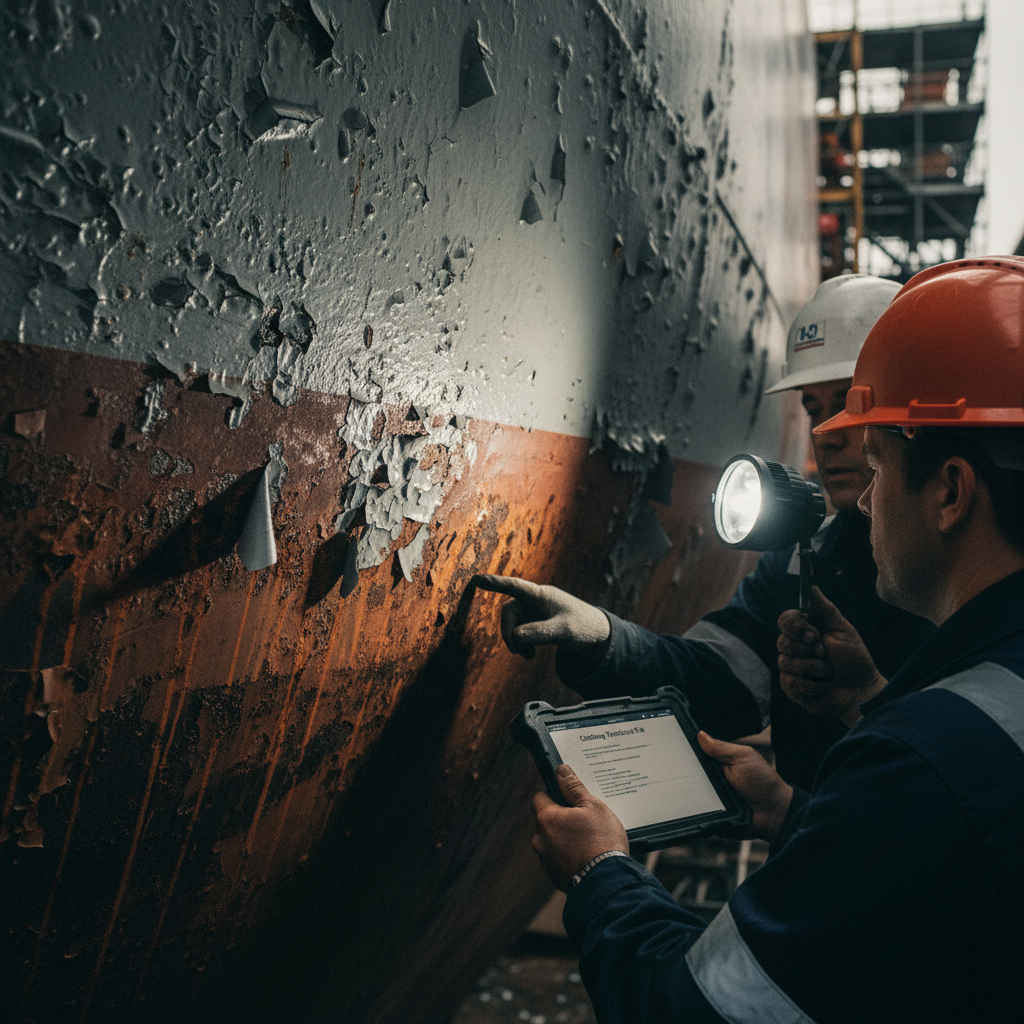
Despite careful planning, premature coating failure can happen. A systematic warranty claims process is key to an efficient resolution.
- Notification: The owner must notify the manufacturer in writing immediately upon detecting a potential failure.
- Joint Inspection: The manufacturer, owner, and shipyard representatives will inspect the area to determine the root cause.
- Analysis: The inspection investigates whether the failure stems from a product defect, application error (shipyard liability), or an uncovered external factor. The Coating Technical File is indispensable here.
- Resolution: If the claim is validated, the manufacturer will propose a repair plan, typically providing the paint free of charge. Labor and staging costs are often subject to negotiation based on the warranty terms.
Conclusion: Your Warranty as a Proactive Asset Management Tool
A Marine coating system warranty for newbuilds should be treated as a living framework for quality control and proactive vessel asset protection. By actively engaging in the process—from crafting a detailed newbuilding paint specification to ensuring a rigorous Coating Technical File is maintained—shipowners secure a meaningful coating performance guarantee.
Key Takeaways:
- Be Proactive: Collaborate with the manufacturer and shipyard from day one to set clear expectations.
- Know the Details: Scrutinize every clause, especially coverage, exclusions, and the maintenance and repair clause.
- Document Everything: Insist on diligent record-keeping. A complete CTF is your best insurance.
- Foster Partnership: A successful project depends on open communication between the owner, shipyard, and paint supplier.
By treating your coating warranty with the seriousness it demands, you are safeguarding the long-term integrity, efficiency, and value of your entire maritime asset. 🚢