Why Marine Paint Fails: A Guide to Lasting Protection
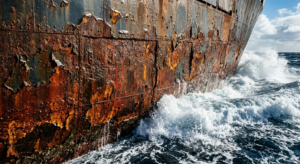
A ship’s paint job isn’t just for looks—it’s a critical shield against the brutal marine environment. Corrosive saltwater, constant impacts, and biofouling are relentless enemies. A high-performance marine coating is a major investment, and making it last is essential for protecting your asset, boosting performance, and controlling costs. Understanding the key factors affecting marine paint longevity is how you win this battle.
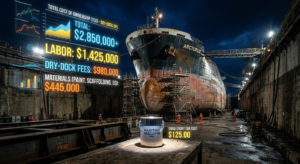
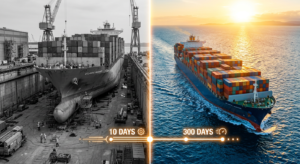
Premature coating failure means expensive problems: unscheduled dry-docking, higher fuel consumption, and serious structural repairs. The difference between a coating that endures and one that fails quickly often boils down to a few crucial elements you can control. This guide exposes the most critical factors, from surface preparation to application and maintenance, so you can make smarter decisions that extend the life of your marine coatings.
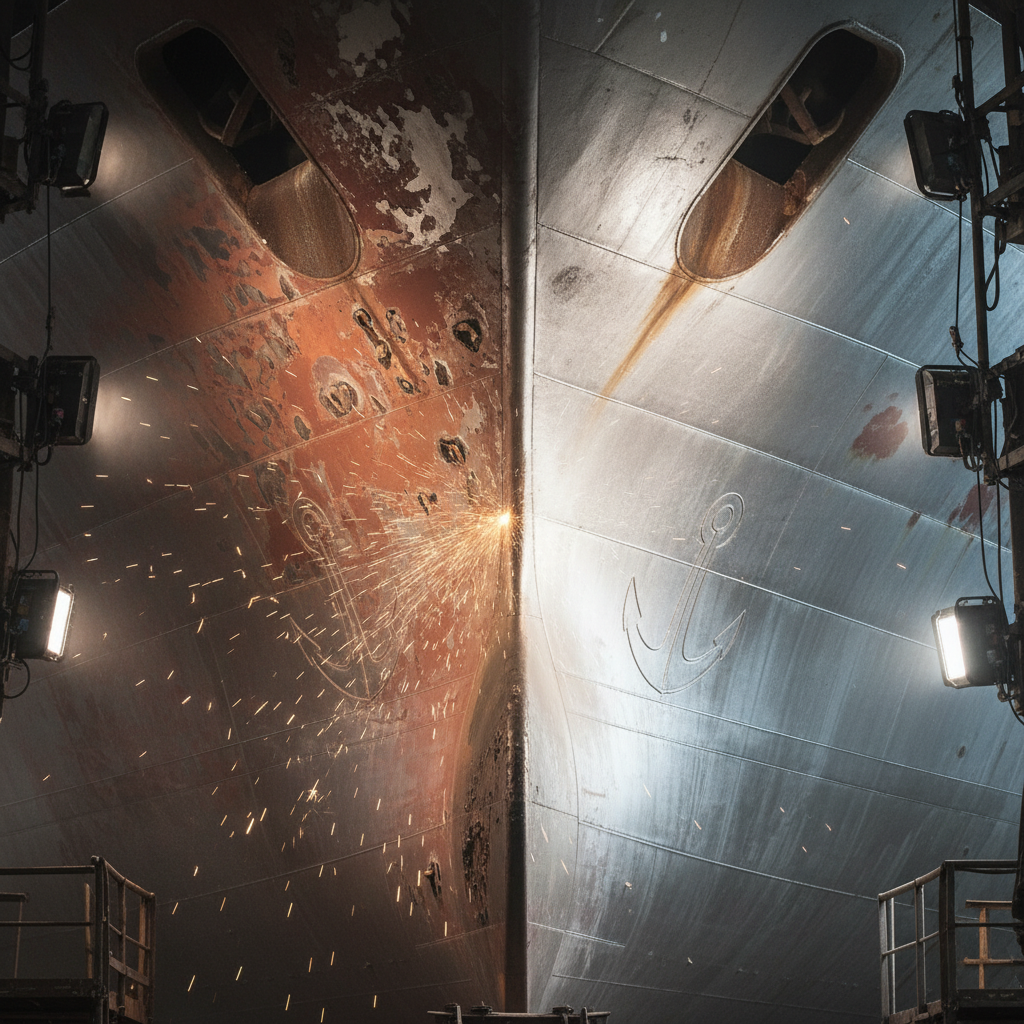
The Bedrock of Durability: Surface Preparation is Non-Negotiable
You can buy the most advanced marine paint on the market, but if you apply it to a poorly prepared surface, it’s guaranteed to fail. Surface preparation is the single most important factor for a successful coating system. The mission is simple: create a clean, stable surface with the right texture for the primer to grab on and never let go.
Eliminate Contaminants
Before a drop of paint is applied, the substrate must be free of anything that prevents adhesion:
- Salt: These invisible crystals attract water. Trapped under paint, they pull moisture through the coating, causing blistering and rapid failure.
- Oil and Grease: These create a slick barrier, making it impossible for paint to bond to the steel, which leads to peeling.
- Rust and Mill Scale: Painting over existing rust is like building a house on sand. The coating will flake off, taking the rust with it.
Hit the Right Standard
For elite performance, professional surface preparation uses abrasive blasting to meet a cleanliness standard like Sa 2.5 (“Near White Metal”). This process doesn’t just clean; it creates a microscopic ‘anchor pattern’ of peaks and valleys, massively increasing the surface area for the primer to grip. This texture is vital for powerful adhesion and long-term corrosion protection.
A solid foundation demands a superior primer. For surfaces needing exceptional anti-corrosive power, JDC53-31 Red Lead Alkyd Anti-Rust Paint provides a trusted base. For maximum galvanic protection, a zinc-rich primer like the JDH06-4 Epoxy Zinc-Rich Anti-Rust Primer acts as a sacrificial barrier, protecting the steel even when scratched.
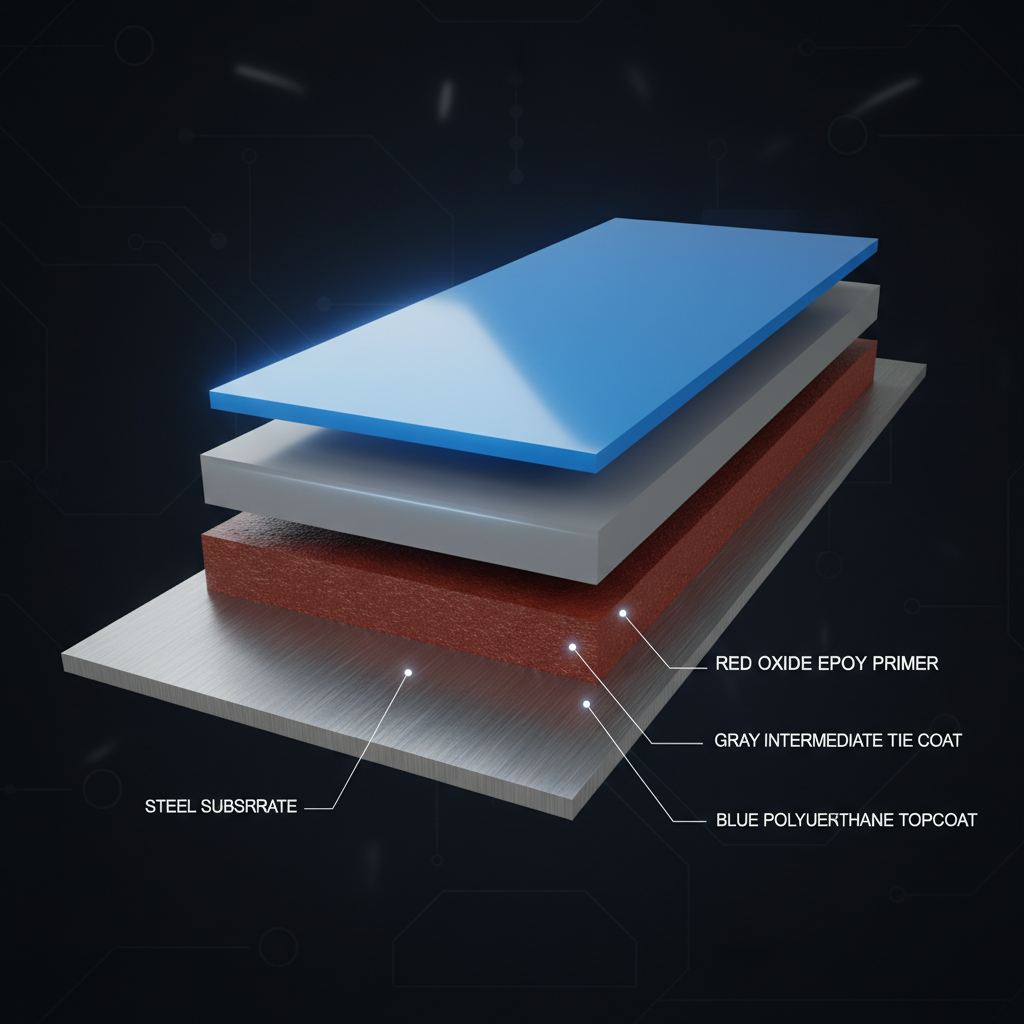
Choosing Your Armor: Selecting the Right Marine Coating System
Not all paints are created equal. Different parts of a vessel face different threats. A complete marine coating system is a multi-layer defense where each layer has a specific job. Choosing the right product combination is key to durability.
Primers for Ultimate Corrosion Protection
The primer is your first line of defense. It must stick fiercely to the steel and block corrosion. Epoxy primers are the top choice for their incredible adhesion and resistance to chemicals and water. Our JDH815 Iron Oxide Red Epoxy Primer is an industry workhorse, famous for creating a tough, impermeable foundation.
Intermediate and Tie Coats
In some systems, an intermediate coat builds thickness and ensures a powerful bond between the primer and topcoat. It’s an extra layer of toughness. The JDH263 Epoxy Tie Coat, for example, guarantees compatibility between layers to prevent delamination.
Topcoats for a Resilient Finish
The topcoat is the visible shield. It fights UV radiation, abrasion, and impacts while keeping its color. Polyurethane topcoats are champions of durability and UV resistance. For a brilliant finish that won’t yellow in the sun, the JD908 Acrylic Polyurethane Topcoat Non-Yellowing Resistant is perfect for superstructures. For decks needing a tough, anti-slip surface, a specialist product like JDC42-32 Alkyd Deck Paint is a must.
The Science of Antifouling Paint Performance
Below the waterline, the main enemy is biofouling—the buildup of slime, algae, and barnacles. This growth creates drag, sending fuel costs soaring. High-performance antifouling paints work by releasing biocides at a controlled rate to stop this growth. The effectiveness of the antifouling paint performance depends on the technology. Modern options like JD753 Tin-free self-polishing antifouling paint are engineered to wear away smoothly, constantly exposing a fresh, active layer. This ensures consistent protection and a smooth hull for optimal fuel efficiency.
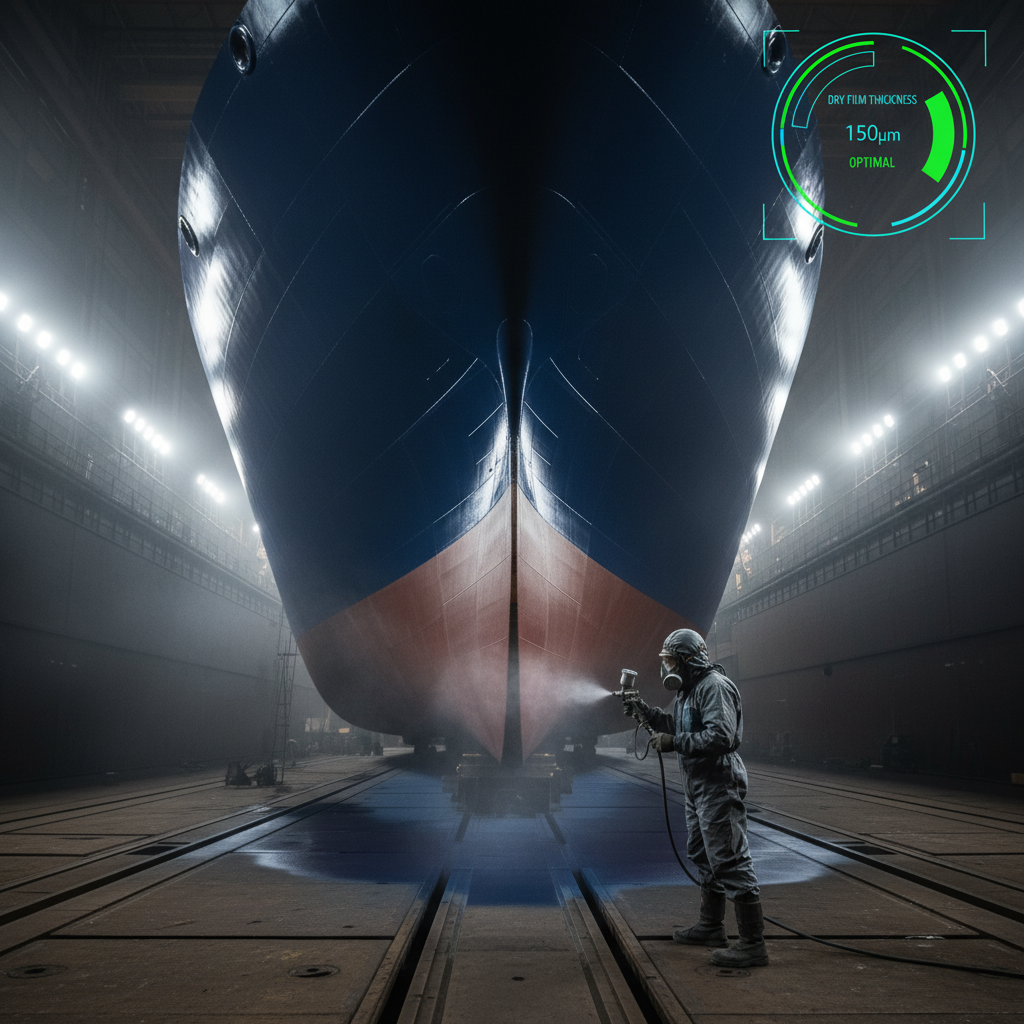
The Application Game: Where Science Meets Skill
Even with the perfect prep and the best paint, a flawed application will lead to failure. Following the manufacturer’s technical data sheet isn’t optional—it’s essential. This is where some of the most critical factors affecting marine paint longevity come into play.
Mastering Dry Film Thickness (DFT)
Dry Film Thickness (DFT) is the thickness of the coating after it cures. It’s a critical quality control checkpoint.
- Too Thin: The coating can’t provide the protection it was designed for. It’s vulnerable to damage and early corrosion.
- Too Thick: Too much paint is just as bad. It can trap solvents, resulting in a weak film that is prone to cracking under stress.
Every product has a target DFT range. Applicators must use gauges to ensure they hit this sweet spot for peak performance.
The Impact of Application Conditions 🌡️
The weather during application and curing is a huge factor. Ideal application conditions are non-negotiable:
- Temperature: Air and steel temperatures must be within the specified range. Too cold, and the paint won’t cure correctly. Too hot, and it can dry too fast, causing poor adhesion.
- Humidity: High humidity introduces moisture that can ruin the gloss and cure. Never paint when relative humidity is above 85%.
- Dew Point: The steel’s surface must be at least 3°C (5°F) above the dew point. Otherwise, condensation will form, getting trapped under the paint and causing blisters.
Beyond the Paint Job: Maintenance and Environment
Once the paint is on, the job isn’t done. A vessel’s environment and maintenance routine are final, crucial factors.
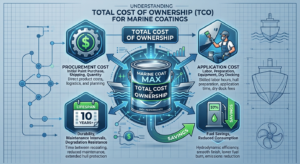
A smart vessel maintenance schedule includes regular coating inspections. Catching small scrapes and chips and performing touch-ups can stop corrosion before it spreads, massively extending the coating’s life. This proactive approach lowers the total cost of ownership by preventing major repairs.
Finally, the environmental impact on coatings is huge. A vessel in the warm, tropical waters faces more biofouling than one in the cold North Atlantic. A ship in icy waters needs superior abrasion resistance. A thorough coating failure analysis can pinpoint the root cause of any problems, ensuring mistakes aren’t repeated.
Conclusion: Protect Your Investment for the Long Haul
Maximum marine paint longevity comes from a holistic approach: meticulous prep, smart system selection, precise application, and diligent maintenance. By controlling these core factors affecting marine paint longevity, you turn your coating from an expense into a powerful investment that protects your vessel, boosts efficiency, and delivers a superior return.
Key Takeaways:
- Prep is King: Never cut corners on surface preparation. It’s the foundation of a lasting paint job.
- Choose the Right System: Select a coating system designed for your vessel’s specific challenges.
- Control the Application: Master DFT and mind the weather conditions to ensure a tough, protective film.
- Inspect and Maintain: A regular maintenance schedule prevents small problems from becoming costly failures.
Ready to build a coating system that lasts? Explore our range of high-performance marine paints. Contact the experts at JDmarinepaint today to design the perfect protection for your vessel.