Copper-Free vs. Copper-Based Antifouling: Your ROI Decider
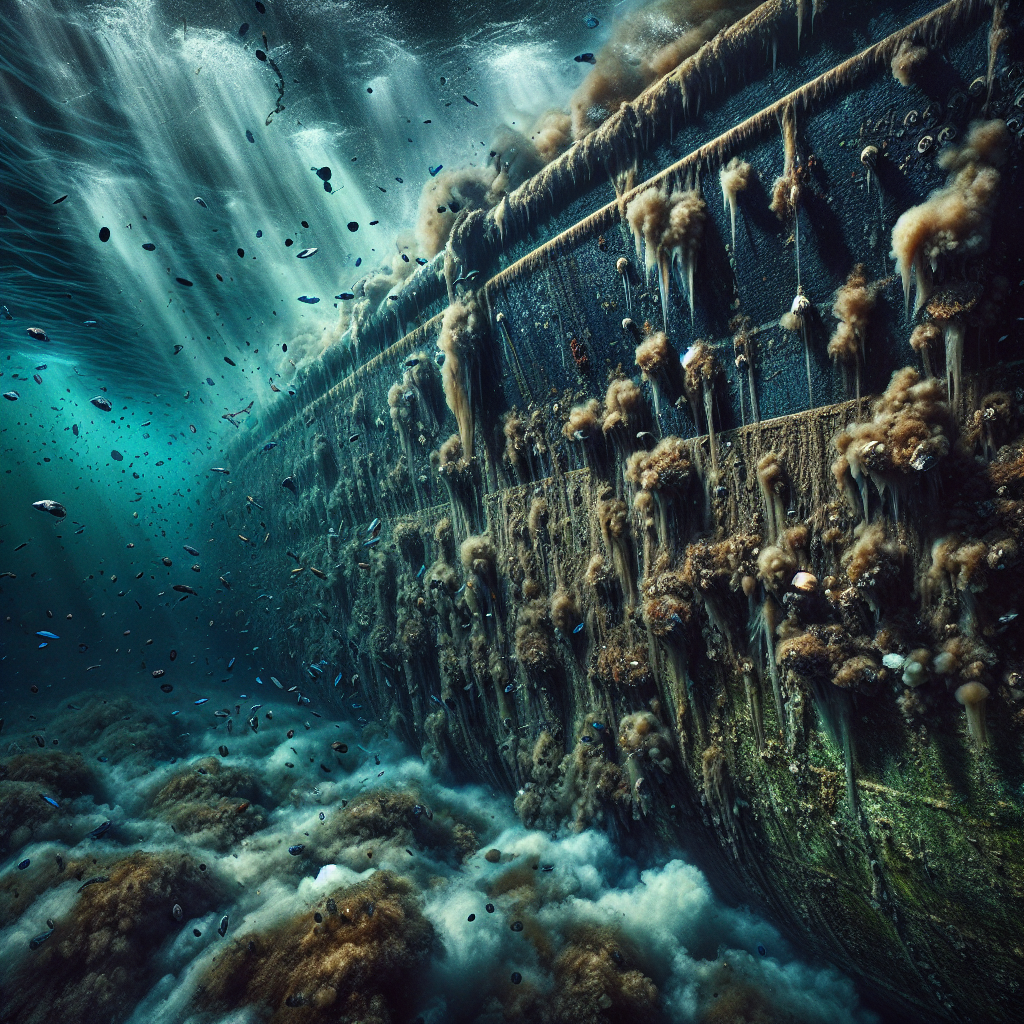
The relentless battle against marine biofouling has long defined the challenge for vessel owners and operators worldwide. From microscopic organisms to tenacious barnacles and mussels, organism attachment to a vessel’s hull – known as hull fouling – triggers a cascade of costly problems. This isn’t just about aesthetics; biofouling decimates drag reduction, cripples fuel efficiency, and undermines overall vessel performance. In an era demanding sustainability and economic viability, your antifouling paint choice has never been more critical. The crucial debate over copper-based vs. copper-free antifouling solutions lies at the heart of this decision, wielding profound implications for both your bottom line and the health of our precious oceans.
This article rips into the economic impact of your antifouling choices, delivering a comprehensive look at the powerful Return on Investment (ROI) you gain by shifting towards copper-free solutions. We’ll explore how different antifouling technologies perform, their environmental footprints, and the evolving regulatory landscape, equipping you to navigate this complex, yet pivotal, decision. By the end, you’ll command a clearer understanding of how these choices slash maintenance costs, boost operational efficiency, and secure long-term sustainability.
The Costly Menace: Understanding Marine Biofouling’s Bite
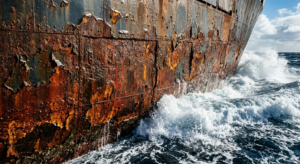
Marine biofouling, the unwelcome invasion of microorganisms, plants, and animals on submerged structures, poses a significant, silent threat to the marine industry. When a vessel’s hull is fouled, its hydrodynamic performance is severely compromised. The added roughness skyrockets frictional drag, forcing engines to guzzle more fuel just to maintain speed. This translates directly into a substantial increase in fuel consumption, devouring a massive portion of a vessel’s operating expenses. Estimates scream that severe hull fouling can trigger a catastrophic 20-40% surge in fuel consumption, gutting profitability for commercial vessels, fishing boats, and even pleasure boats.
Beyond the fuel drain, biofouling demands more frequent, expensive maintenance. Regular dry docking for hull cleaning and recoating becomes non-negotiable to mitigate organism attachment. What’s more, the rampant transfer of invasive species via fouled hulls is a growing global concern, leading to ecological devastation and iron-clad international regulations. For aluminum hulls, fiberglass hulls, and steel hulls alike, conquering this persistent issue is paramount for longevity and optimal operation.
The Traditional Guard: Copper-Based Antifouling’s Double-Edged Sword
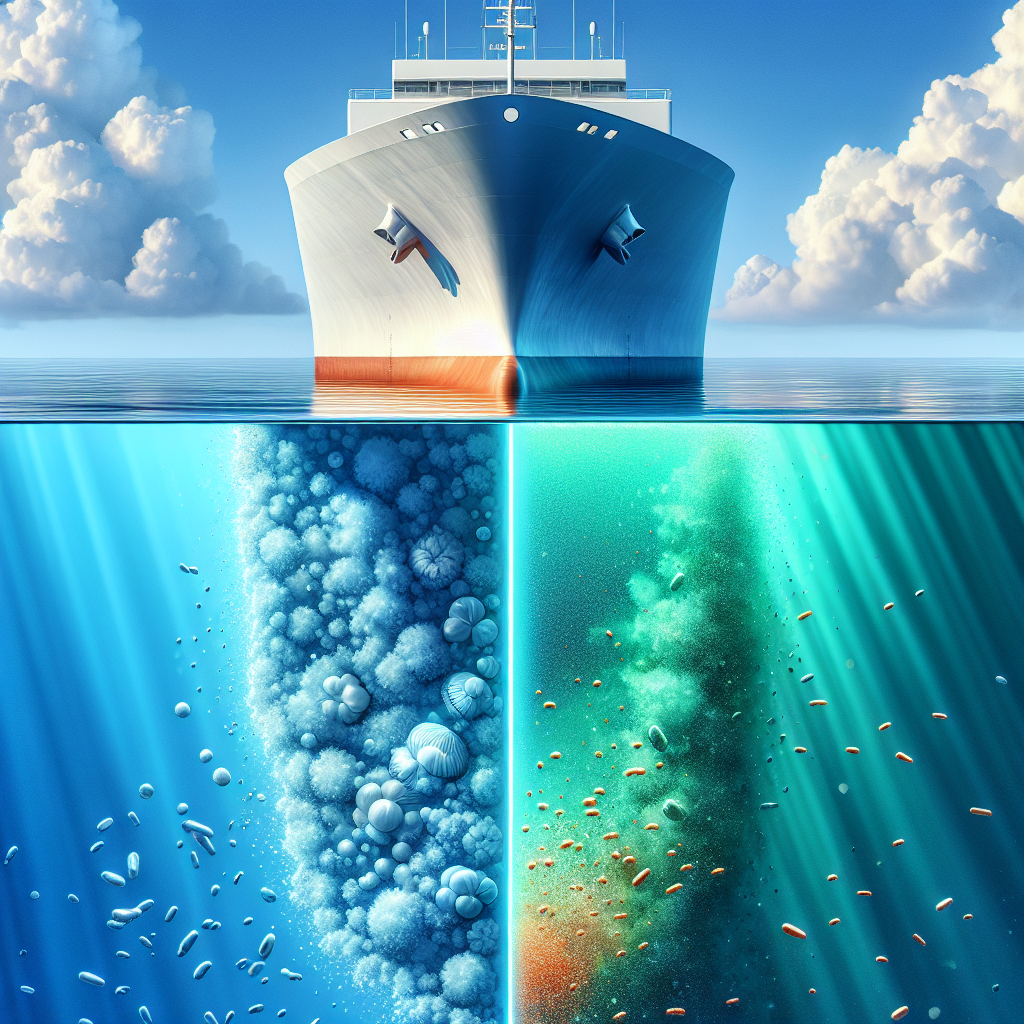
For decades, copper-based antifouling paints stood as the industry standard. These coatings primarily work by unleashing copper ions into the surrounding water, toxic to marine organisms, effectively preventing attachment and growth. Their effectiveness is undeniable, solidifying their status as a popular choice for initial investment and proven performance.
Copper-based antifouling paints generally fall into categories like Self-polishing copolymers (SPCs), ablative antifouling, and hard antifouling. SPCs release biocides through a controlled erosion, maintaining a slick surface. Ablative paints wear away, exposing fresh biocide layers. Hard antifouling, though durable, loses punch as biocides leach, leaving a porous surface vulnerable to fouling. Products like JDmarinepaint’s JD713 Chlorinated Rubber Antifouling Paint and JD744 Chlorinated Rubber Antifouling Paint exemplify effective solutions, delivering reliable protection against organism attachment.
Yet, this traditional effectiveness casts a looming shadow. The continuous leaching of copper, a heavy metal, into marine environments ignites serious concerns about water quality and its toxicity to non-target aquatic life, leading to insidious copper pollution in sensitive marine ecosystems.
The Horizon of Innovation: Copper-Free Antifouling Solutions – A Game Changer
The surging tide of environmental awareness and stricter regulations has supercharged innovation in the antifouling industry, birthing a powerful wave of copper-free solutions. These alternative technologies employ ingenious mechanisms to deter marine growth, without the heavy metal biocides.
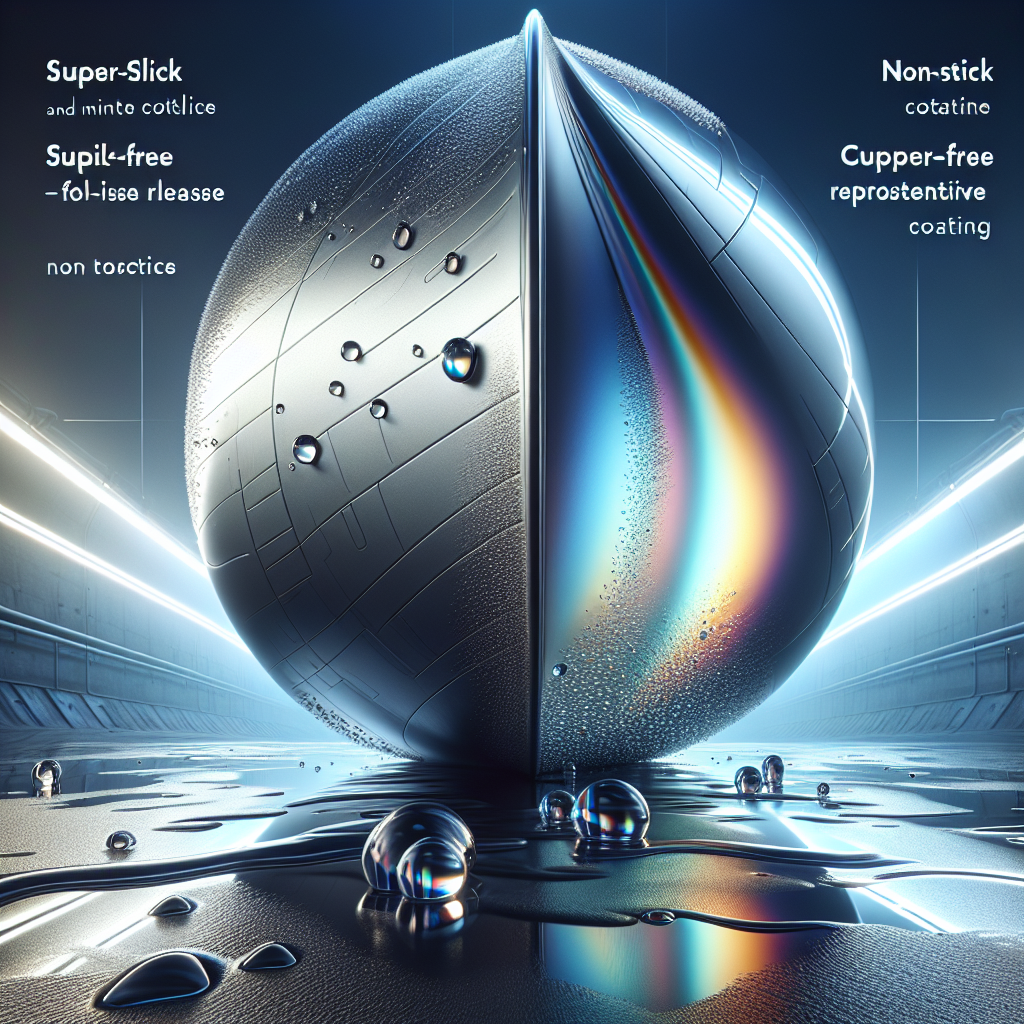
One dominant category: foul-release coatings. These create a hyper-slick, low surface energy surface, making it nearly impossible for organisms to cling. Even if they do attach, the vessel’s movement through water or simple cleaning effortlessly dislodges them. Silicone coatings and fluoropolymer-based paints are prime examples. These coatings don’t kill marine organisms; they simply block their stronghold.
Another innovative path embraces biocide-free technologies using physical or natural antifoulants. Think ultrasonic antifouling systems, emitting high-frequency sound waves to repel growth, or nanotechnology-based coatings that micro-sculpt the surface to prevent attachment. Natural antifoulants, extracted from marine organisms themselves, are also a hotbed of research and development.
While the initial investment for some copper-free solutions might be higher than traditional copper-based paints, their long-term savings are staggering. Enhanced fuel efficiency, dramatically reduced dry docking frequency, and lower maintenance costs often present an undeniable ROI. Furthermore, their eco-friendly nature aligns perfectly with global sustainability goals, offering a significant edge in regulatory compliance and environmental stewardship. For instance, JDmarinepaint champions advanced solutions like JD753 Tin-free self-polishing antifouling paint, meticulously engineered for superior fouling control while embracing modern environmental mandates.
A Deeper Dive: Copper-Based vs. Copper-Free Antifouling — Performance That Pays
When you weigh copper-based vs. copper-free antifouling, a deep understanding of their performance, efficacy, durability, and longevity is absolutely critical.
Traditional copper-based paints, especially SPCs, have showcased robust performance across diverse marine environments. Their self-polishing action sculpts a smoother hull, translating into consistent drag reduction. However, their efficacy wanes as biocide content depletes, demanding recoating every 2-3 years. Flawless paint application and surface preparation are paramount; any shortcuts doom their performance to premature fouling.
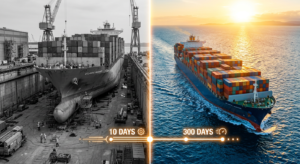
Copper-free foul-release coatings, conversely, boast exceptional durability and longevity, often powering through 5 years or more. Their mechanism doesn’t rely on biocide depletion, meaning their effectiveness endures for extended periods, ushering in longer dry docking intervals. While static conditions might still allow some attachment, their ‘easy-release’ property ensures any growth is effortlessly shed once the vessel gets underway. Optimal performance hinges on achieving a perfectly smooth surface during application.
The undeniable long-term cost-effectiveness shines when you consider the total lifecycle of the coating. While a copper-free system might demand a higher initial investment, the extended service intervals and superior fuel efficiency often unlock monumental long-term savings. This is a game-changing factor for commercial vessels and large yachts, where even marginal gains in fuel consumption translate into colossal financial benefits.

The Environmental Imperative: Impact and Regulations That Demand Action
Environmental impact isn’t just a concern; it’s the driving force behind the seismic shift towards copper-free solutions. Copper pollution, a direct consequence of copper-based antifouling, has been unequivocally identified as a significant threat to our marine ecosystems. Heavy metal accumulation devastates non-target organisms, shatters the food chain, and poisons water quality in marinas, harbors, and vital coastal areas.
Responding to these undeniable threats, international and regional bodies have unleashed stringent regulations to slash copper discharge. The International Maritime Organization’s (IMO) AFS Convention (International Convention on the Control of Harmful Anti-fouling Systems on Ships) has already outlawed organotin compounds and relentlessly shapes the development of environmentally sound alternatives. In the United States, the Environmental Protection Agency (EPA) sets the bar for antifouling paints, while regions like California have slammed down even stricter regulations, leading to fierce regional restrictions on copper content. Compliance with these international standards and local regulations isn’t merely about environmental responsibility; it’s a legal and operational imperative. Vessels caught non-compliant face crushing fines, crippling operational restrictions, and irreparable reputational damage.
This regulatory pressure transforms eco-friendly, sustainable solutions from an option into a strategic necessity. Choosing copper-free coatings isn’t just smart; it’s future-proofing your vessel against evolving regulations and a powerful declaration of your commitment to environmental protection.
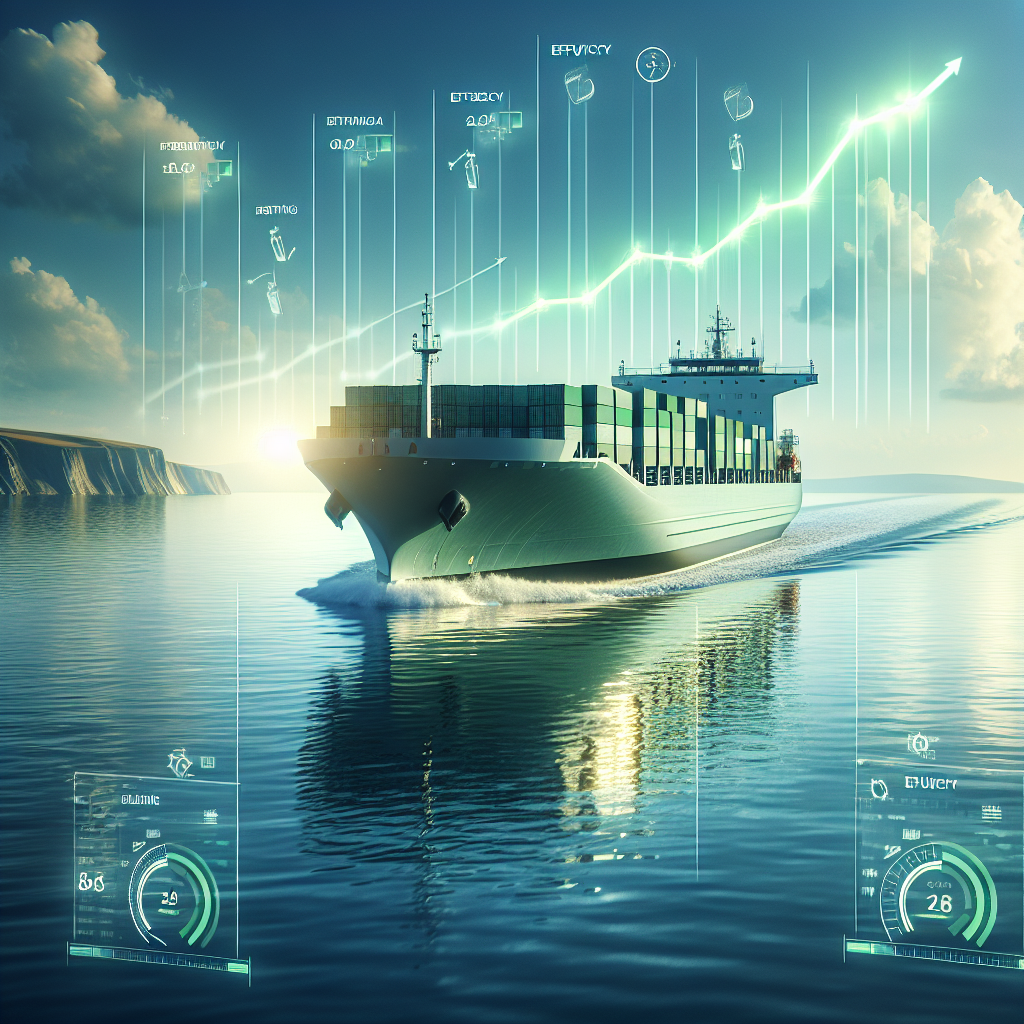
Calculating the ROI: Far Beyond the Initial Price Tag
The Return on Investment (ROI) on antifouling choices explodes far beyond the initial purchase price. A truly holistic analysis must scrutinize a spectrum of factors that dictate operational costs and vessel profitability.
- Fuel Efficiency: The most staggering economic benefit of an effective antifouling system is sustained fuel efficiency. A pristine hull decimates drag, allowing vessels to operate at peak speeds with drastically less fuel consumption. Over the coating’s lifespan, especially for commercial vessels racking up high operational hours, the savings are monumental, often dwarfing the initial cost difference of copper-free solutions.
- Reduced Maintenance Costs: Longer dry docking intervals and less frequent hull cleaning directly translate to lower maintenance expenses. Foul-release coatings, with their extended durability, radically reduce the need for costly underwater cleaning and recoating. This also means less downtime for your vessel, turbocharging its operational availability and earning potential.
- Extended Service Intervals: The longevity of copper-free coatings, particularly advanced foul-release systems, allows for longer periods between recoating, slashing the frequency of labor-intensive and expensive paint application and surface preparation work.
- Compliance and Risk Mitigation: Investing in compliant, eco-friendly solutions eradicates the risk of fines, legal quagmires, and operational restrictions tied to non-compliance with environmental regulations. It also amplifies your vessel’s sustainability profile, a potent competitive advantage in discerning markets.
- Protection Against Galvanic Corrosion: For aluminum hulls, copper-based paints can accelerate galvanic corrosion. Copper-free alternatives obliterate this risk, extending the life of the hull and slashing associated repair costs.
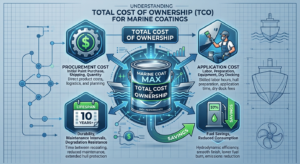
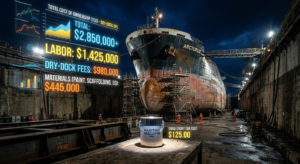
When calculating ROI, it’s non-negotiable to factor in the total cost of ownership over the entire service life of the antifouling system, not just the upfront expense. The long-term savings from stellar fuel economy and decimated maintenance often crown copper-free solutions as the undisputed, more cost-effective choice in the long run.
JDmarinepaint’s Contribution to Sustainable Solutions
At JDmarinepaint, we grasp the critical balance between performance, cost-effectiveness, and environmental responsibility. Our arsenal of marine coatings is engineered to meet the diverse demands of commercial vessels, yachts, and fishing boats, offering both time-tested traditional and cutting-edge copper-free solutions.
For those craving advanced, environmentally conscious options, our JD753 Tin-free self-polishing antifouling paint represents a colossal leap forward. This product is meticulously engineered to unleash excellent antifouling performance while adhering to stringent environmental standards, actively championing a cleaner marine ecosystem. Its self-polishing mechanism sculpts a smooth hull, guaranteeing optimal fuel efficiency and extended service intervals.
Beyond antifouling, we unleash a comprehensive range of protective coatings to ensure your vessel’s supreme integrity and dazzling appearance. For instance, our JDH825 Solvent-Free Epoxy Tie Coat delivers stellar adhesion and corrosion protection, forging a rock-solid foundation for subsequent coatings. For topcoats, options like JD908 Acrylic Polyurethane Topcoat Non-Yellowing Resistant, JD918 Acrylic Polyurethane Hull Paint (Yellowing resistance), and JDFT810 Fluorocarbon Topcoat deliver superior aesthetics and bulletproof durability, shielding against UV degradation and merciless weathering. For general hull protection, our JDB902 Acrylic Hull Paint and JDC43-31 Alkyd Hull Paint stand as unwavering choices. And for specific areas like the boottopping and deck, we arm you with JDC42-31 Alkyd Boottopping Paint and JDC42-32 Alkyd Deck Paint.
These products, fortified by proper paint application and surface preparation, forge a complete system that guarantees optimal vessel performance, ironclad longevity, and unwavering adherence to environmental best practices.
Innovations and Future Trends in Antifouling: The Path Forward
The antifouling arena is a whirlwind of continuous evolution, propelled by relentless research and development aimed at unearthing even more effective and environmentally benign solutions. Antifouling innovations are pushing boundaries, exploring natural antifoulants derived from marine organisms, which wield biochemical compounds to deter attachment. Ultrasonic antifouling technology, deploying sound waves to craft an inhospitable environment for biofouling, is also gaining powerful traction, particularly for smaller vessels and static structures.
Nanotechnology stands as another dazzling frontier, with researchers engineering coatings that leverage microscopic surface structures to prevent organism attachment without relying on biocides. These alternative technologies promise to further revolutionize the industry, unleashing even greater sustainability and performance. The future of antifouling will undoubtedly fuse these advanced physical, chemical, and biological approaches, catapulting us towards a truly eco-friendly and supremely efficient anti-fouling strategy.
Making the Smart Choice: A Holistic View That PAYS
The decision between copper-based vs. copper-free antifouling is a multifaceted beast, demanding meticulous consideration of initial investment, long-term operational costs, regulatory compliance, and environmental stewardship. For commercial vessels, yachts, pleasure boats, and fishing boats, the ultimate mission is to achieve optimal vessel performance and cost-effectiveness while decimating environmental impact.
While traditional copper-based paints offer proven efficacy and a lower initial cost, the escalating scrutiny of copper pollution and tightening regulations are shoving the industry towards more sustainable alternatives. Copper-free solutions, despite potentially higher upfront costs, consistently deliver a superior ROI through explosive fuel efficiency, extended service intervals, and slashed maintenance. Moreover, they bestow priceless peace of mind regarding compliance and make a profound, positive contribution to the marine environment.
When you make your choice, demand answers to these critical questions:
- Vessel type and operating profile: How often does your vessel thunder through the water? What are its typical speeds?
- Geographic operating areas: Are there specific regional restrictions on antifouling coatings that demand your attention?
- Budget and desired service intervals: What is your initial investment capacity, and how often are you willing to dry dock?
- Environmental goals: How critical is sustainability and eco-friendliness to your operations and brand?
Conclusion: Your Next-Gen Antifouling Decision
The economic impact of antifouling choices is undeniable, directly dictating a vessel’s operational efficiency, maintenance expenditures, and regulatory compliance. The transition from copper-based vs. copper-free antifouling solutions isn’t just a trend; it’s a monumental shift in the marine industry, propelled by both irresistible economic incentives and a heightened, urgent sense of environmental responsibility.
Embracing copper-free technologies is more than just adopting a new paint; it’s a strategic investment in the long-term sustainability and exploding profitability of your marine assets. By choosing advanced, eco-friendly antifouling systems, vessel owners can unlock substantial, long-term savings through drastically reduced fuel consumption and maintenance, while simultaneously championing the protection of our irreplaceable marine ecosystems. As regulations continue to evolve and antifouling innovations surge forward, making informed, forward-thinking choices in hull protection will be absolutely paramount for triumph in the maritime world.
For further reading and to explore a complete range of high-performance marine coatings, including advanced antifouling solutions, storm the JDmarinepaint website. We deliver expert guidance to help you select the ideal coating system for your specific needs, guaranteeing optimal performance and environmental responsibility.