“`html
Fading Profits? The ROI of UV-Resistant Topside Paint
A freshly painted ship slicing through the waves looks impressive. But how long will that brilliant shine last under the harsh sun? For many vessels, that pristine finish quickly fades to a dull, chalky mess. This isn’t just a cosmetic problem—it’s a warning sign of escalating future costs.
The primary culprit is Ultraviolet (UV) radiation. The sun’s relentless assault is the single biggest threat to your topside coating. That’s why choosing a paint based on its UV resistance and color retention of topside paint isn’t about looks; it’s a critical financial decision. A coating that withstands this attack means the difference between a vessel that looks pristine for years and one that demands frequent, expensive repainting, directly impacting your return on investment.
The Unseen Enemy: How UV Rays Destroy Your Topside
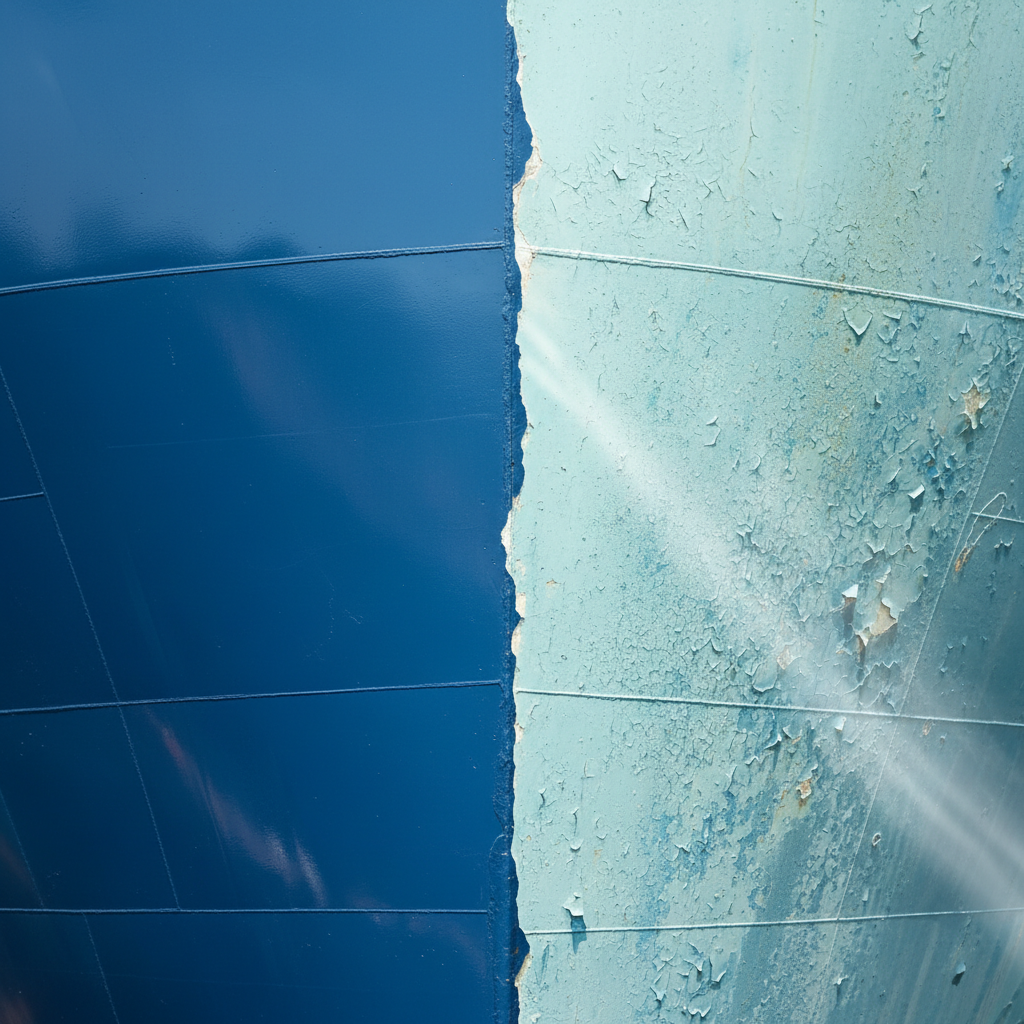
While you see sunlight, invisible UV rays are waging war on your paint’s chemical structure. Marine coatings are composed of pigments (color), solvents (application), and binders (the glue). UV radiation relentlessly attacks and breaks down these essential binders.
This process of paint degradation is a slow, creeping threat that systematically weakens the coating’s ability to protect the ship itself.
Red Flags: The Telltale Signs of UV Damage
When a paint’s binder breaks down, the warning signs are clear. Recognizing them tells you exactly how your current system is performing—or failing.
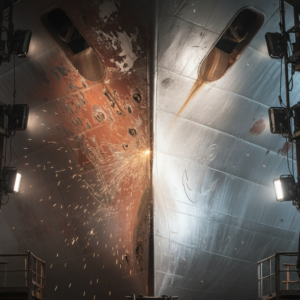
- Color Fading: The most obvious sign. UV rays shatter the chemical bonds in pigments, turning bright reds into dull pinks and deep blues into washed-out shades. This directly degrades your fleet appearance and professional image.
- Chalking: As the surface binder erodes, it releases pigment particles, creating a powdery residue. Wipe your hand across a heavily chalked surface, and you’ll see a fine dust of color. This is a clear sign of poor chalking resistance, indicating the protective film is thinning fast.
- Loss of Gloss: A high-gloss finish means the paint film is smooth and healthy. As UV radiation and chalking roughen the surface, the coating becomes dull and matte. Poor gloss retention is the first visual cue that the paint’s protective power is fading.
These issues are far more than cosmetic. A degraded coating becomes porous, inviting moisture and corrosive salts to penetrate the substrate. This can lead to rust and structural damage, defeating the very purpose of asset protection.
The True Cost of a ‘Cheaper’ Paint Job
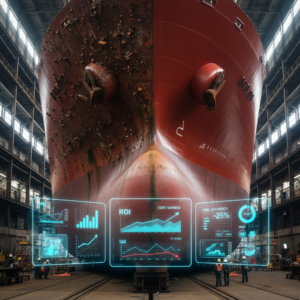
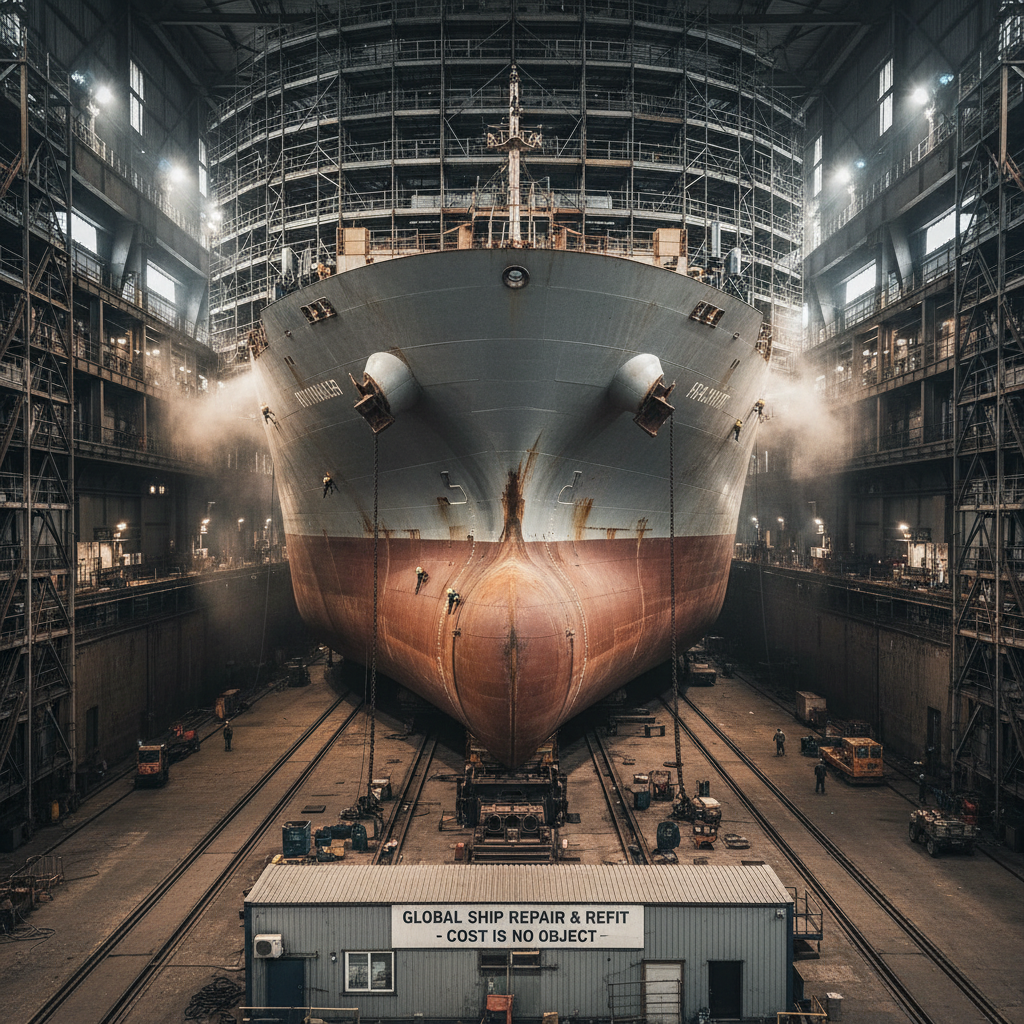
Choosing a topside paint based on the lowest upfront cost is a classic short-term mistake that inflates long-term vessel maintenance costs. The real cost isn’t the price per gallon; it’s the cost of the entire application and re-application cycle over many years.
The Repainting Cycle: What You’re Really Paying For
A topside paint with poor UV resistance has a drastically shorter coating service life, forcing you into the costly repainting cycle far too often. These direct costs add up quickly:
- Material Costs: The paint itself.
- Labor Costs: Intensive prep and application work.
- Surface Preparation: Extensive washing, sanding, or blasting to remove the failed coating.
- Docking and Scaffolding: The logistics of taking a vessel out of service.
Repainting every 3-4 years instead of every 7-10 makes a massive dent in your operational budget.
Beyond the Paint Can: The Hidden Costs of Downtime
The indirect costs of frequent repainting are often even higher.
- Operational Downtime: This is the biggest hidden expense. A vessel in dry-dock is not earning revenue. Using a coating with superior long-term durability extends your dry-docking intervals, keeping your asset working and generating profit.
- Brand and Fleet Appearance: A vibrant, well-maintained fleet signals quality and reliability to clients and partners. A faded, chalky fleet sends the opposite message.
- Resale Value: A vessel protected by a high-performance coating that still looks sharp after years of service will command a much higher price than one needing an immediate, expensive repaint.
Your Shield: Choosing High-Performance Marine Coatings
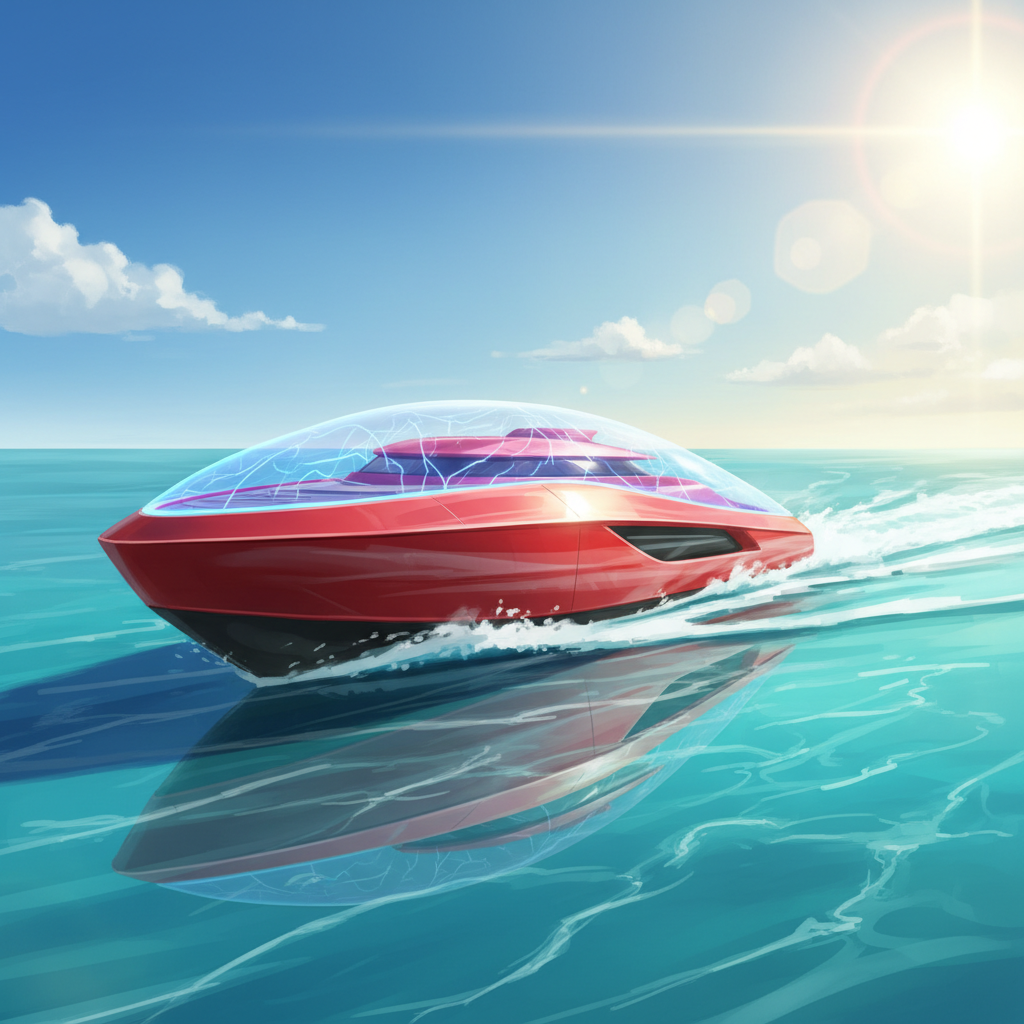
The solution is clear: invest in a coating system engineered for superior UV resistance and color retention. This is where the coating’s chemistry is everything. While traditional alkyds offer a good initial look, they are highly vulnerable to UV damage. For true long-term performance, the industry standard is marine polyurethane topcoats.
The Power of Polyurethane
Two-component acrylic polyurethane coatings are chemically built to defy the harshest marine environments. Their tough, cross-linked molecular structure resists being broken down by UV rays, resulting in:
- Exceptional Gloss and Color Retention: They hold their shine and color for years, not months.
- Superior Chalking Resistance: The durable binder locks in pigment and protects the surface.
- Excellent Abrasion and Chemical Resistance: They are built to withstand the rigors of life at sea.
Recommended Systems for Lasting Protection
A world-class topcoat requires a solid foundation. A complete system is the best strategy for total asset protection. We recommend a multi-layer approach for the ultimate defense.
- The Foundation: Anti-Rust Primer
Protecting the steel from corrosion is the critical first step. Our JDC53-31 Red Lead Alkyd Anti-Rust Paint creates a powerful inhibitive barrier, preventing rust from ever starting and creating the perfect base for the topcoat. - The Shield: The Ultimate UV-Resistant Topcoat
For maximum longevity and ROI, we strongly recommend our JD918 Acrylic Polyurethane Hull Paint. This is our premier topside finish, engineered with a high-density polyurethane formula. It delivers an incredibly durable, mirror-like finish with industry-leading gloss retention and chalking resistance, extending your maintenance intervals and keeping your vessel looking its best. - The Reliable Alternative: High-Performance Alkyd
For vessels on different operational cycles, our JDB903 Modified Acrylic Topcoat offers good initial gloss and performance. While it doesn’t match the exceptional long-term durability of our polyurethane, it is a reliable and cost-effective finish for less demanding applications.
Conclusion: Invest in Durability, Not Just a Quick Shine
The initial gleam of new paint is temporary. The true test of a topside coating is its performance years later. By prioritizing superior UV resistance and color retention of topside paint, you are making a strategic financial decision that pays you back for years. It’s time to shift from thinking about short-term paint costs to investing in long-term asset value.
Key Takeaways:
- UV radiation is the #1 cause of paint degradation, leading to fading, chalking, and gloss loss.
- The true cost of a coating includes materials, labor, downtime, and the impact on vessel maintenance costs.
- High-performance marine coatings, especially marine polyurethane, offer a significantly longer coating service life, extending dry-docking intervals and maximizing ROI.
Investing in a premium topside coating system is one of the smartest decisions you can make for your marine assets. It protects your vessel, strengthens your brand, and saves you significant money.
Further Reading & External Resources
- For a deeper understanding of how coatings fail, read this technical overview on paint degradation.
- Learn more about the chemical advantages of polyurethane coatings and their long-term durability.
- Explore best practices for managing vessel maintenance costs from an industry perspective.
“`