“`html
Two-Component Marine Paint: A Guide to Durability and ROI
Your vessel is a critical asset, the lifeblood of your operation. But in the unforgiving marine environment—a relentless assault of saltwater, corrosive spray, and blistering UV rays—protecting that asset is a monumental challenge. While traditional single-pack paints seem economical upfront, they often lock you into a cycle of frequent maintenance, costly downtime, and a lower return on investment.
This is where two-component marine paint emerges as the superior solution for long-term protection. By investing in a high-performance coating system, you’re not just painting your ship; you’re fortifying it against the elements. This guide covers everything you need to know about two-component systems, helping you make an informed decision that maximizes both durability and your bottom line.
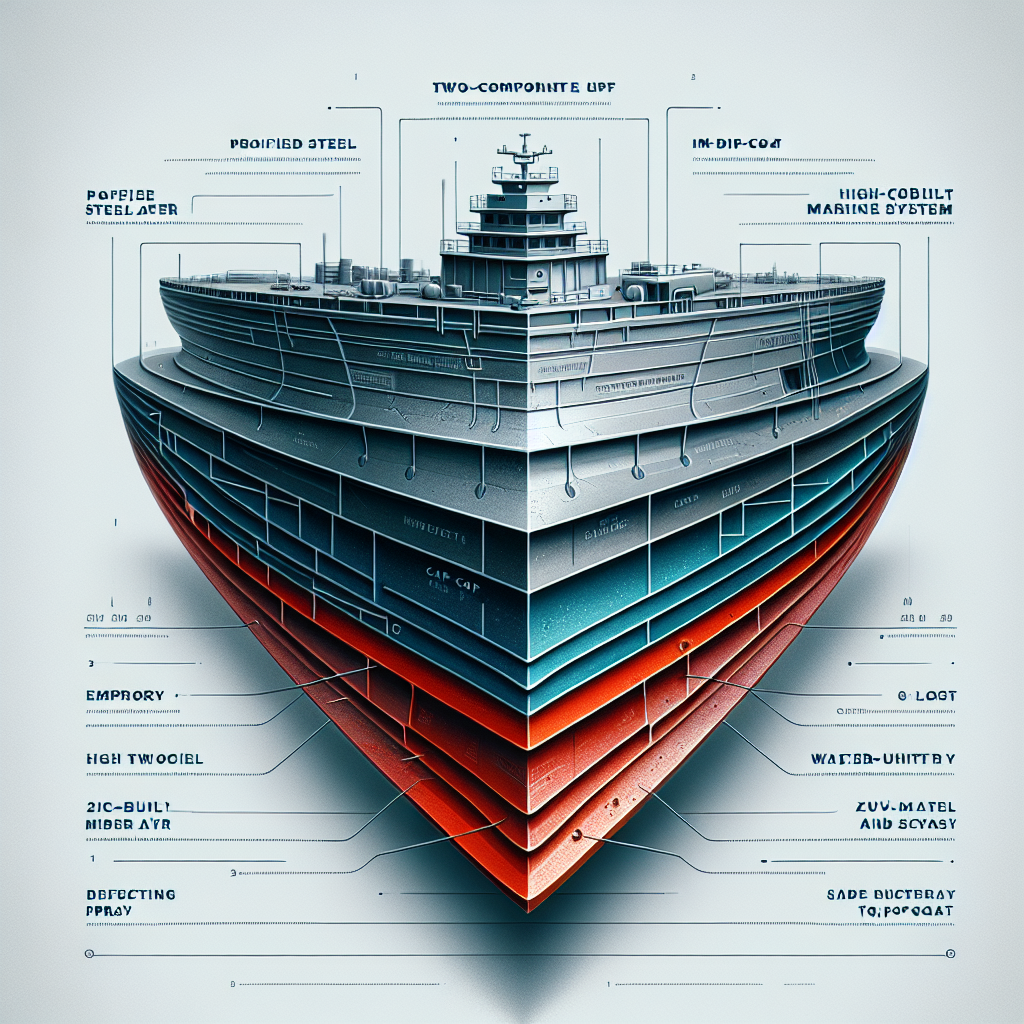
What Sets Two-Component Marine Paint Apart?
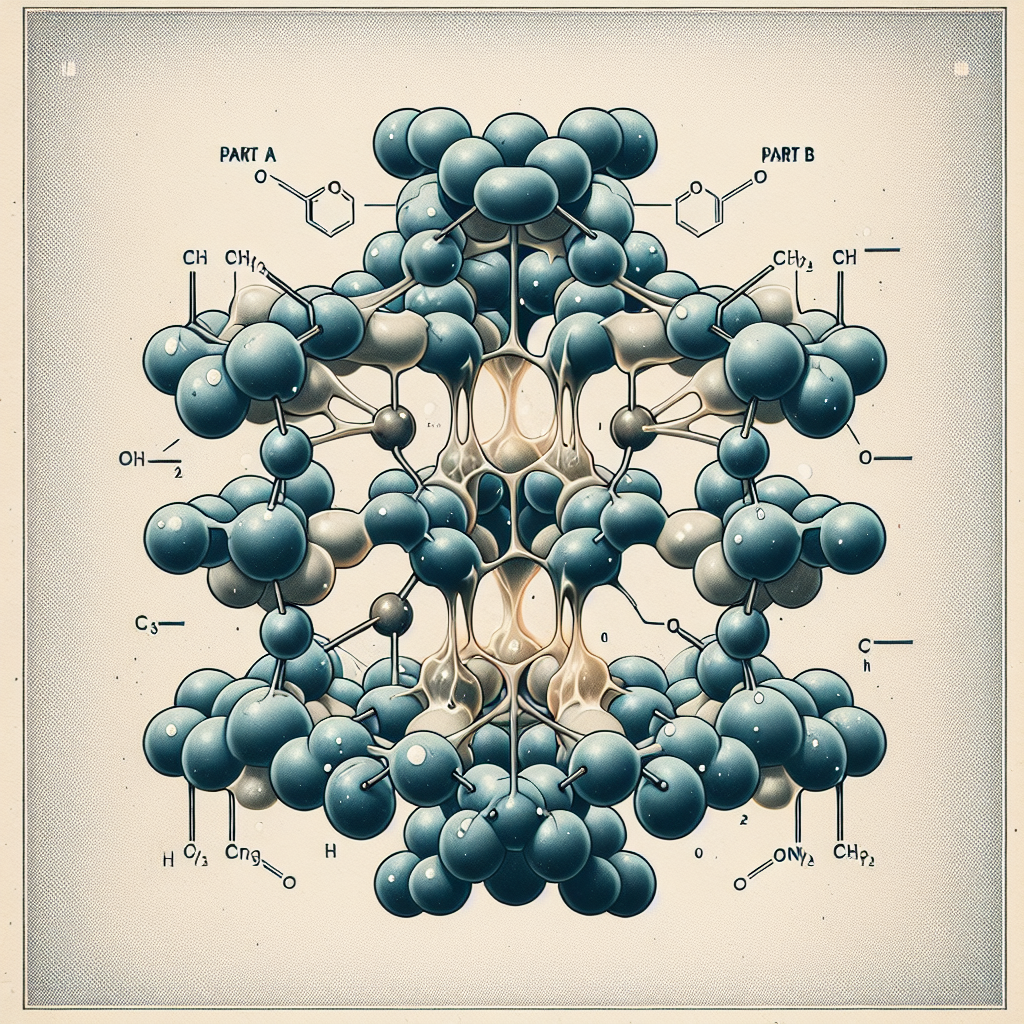
Unlike single-pack paints that dry through solvent evaporation, two-component (or 2K) paints cure through a chemical reaction. They consist of two separate parts that are mixed just before application:
- The Base (Part A): Contains the resin (like epoxy or polyurethane), pigments, and additives that provide color and core characteristics.
- The Hardener (Part B): The catalyst that, when mixed with the base, initiates a chemical reaction called cross-linking.
This cross-linking process creates a robust, tightly-knit molecular structure that is far tougher and more resilient than any single-component paint film. This chemical cure is the secret to its exceptional performance. A key term to understand is “pot life”—the limited window you have to apply the paint after mixing before it begins to harden.
Key Advantages Over Single-Component Paints
- Superior Corrosion Resistance: The dense, impermeable film created by 2K paints forms an outstanding barrier against moisture and salt, directly preventing the rust and corrosion that compromise a vessel’s structural integrity.
- Exceptional Durability: From bumps against the dock to the friction of equipment, a ship’s hull is under constant physical stress. Two-component coatings, especially marine epoxy coatings, are significantly harder and more resistant to scratches, impact, and abrasion.
- Chemical and Solvent Resistance: These coatings withstand exposure to fuels, oils, and harsh cleaning chemicals that would quickly degrade lesser paints.
- Unmatched Adhesion: When applied to a properly prepared surface, 2K primers form a tenacious bond with the substrate, creating a stable foundation that prevents peeling, blistering, or flaking.
The Foundation: Primers and Epoxy Coatings
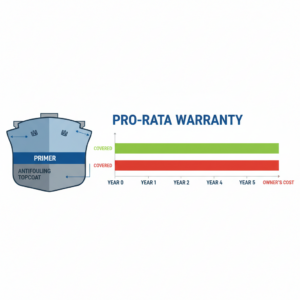
A marine coating system is only as strong as its foundation. The primer is the most critical layer, responsible for adhesion and providing the primary anti-corrosive defense. For the demanding marine sector, marine epoxy coatings are the gold standard for primers, renowned for their incredible adhesion, toughness, and ability to block moisture.
To build a robust system, consider these foundational products:
- Ultimate Anti-Corrosive Performance: A zinc-rich primer provides cathodic protection, where the zinc sacrificially corrodes to protect the steel substrate, even if the coating is scratched.
- Versatility and Build: An iron oxide epoxy primer offers a fantastic balance of corrosion resistance, durability, and ease of application, making it a workhorse for new builds and shipyard maintenance coatings.
- Inter-Coat Adhesion: An epoxy tie coat is designed to create a strong chemical bond between different layers, ensuring the integrity of the entire system.
The Finishing Touch: Topcoats for UV Defense
While the primer handles corrosion, the topcoat is the first line of defense against the elements—especially the sun. Its job is to protect the underlying primer from UV degradation while providing the desired color, gloss, and a smooth, cleanable finish.
For marine applications, the polyurethane topcoat is the premier choice. Polyurethanes offer a hard, durable finish with exceptional gloss and color retention. Unlike epoxies, which can ‘chalk’ in direct sunlight, they are formulated to resist UV radiation, keeping your vessel looking sharp for years.
And for below the waterline, specialized coatings with anti-fouling properties are essential to prevent marine growth, which improves fuel efficiency and speed.
From Specification to Application: A Flawless Finish
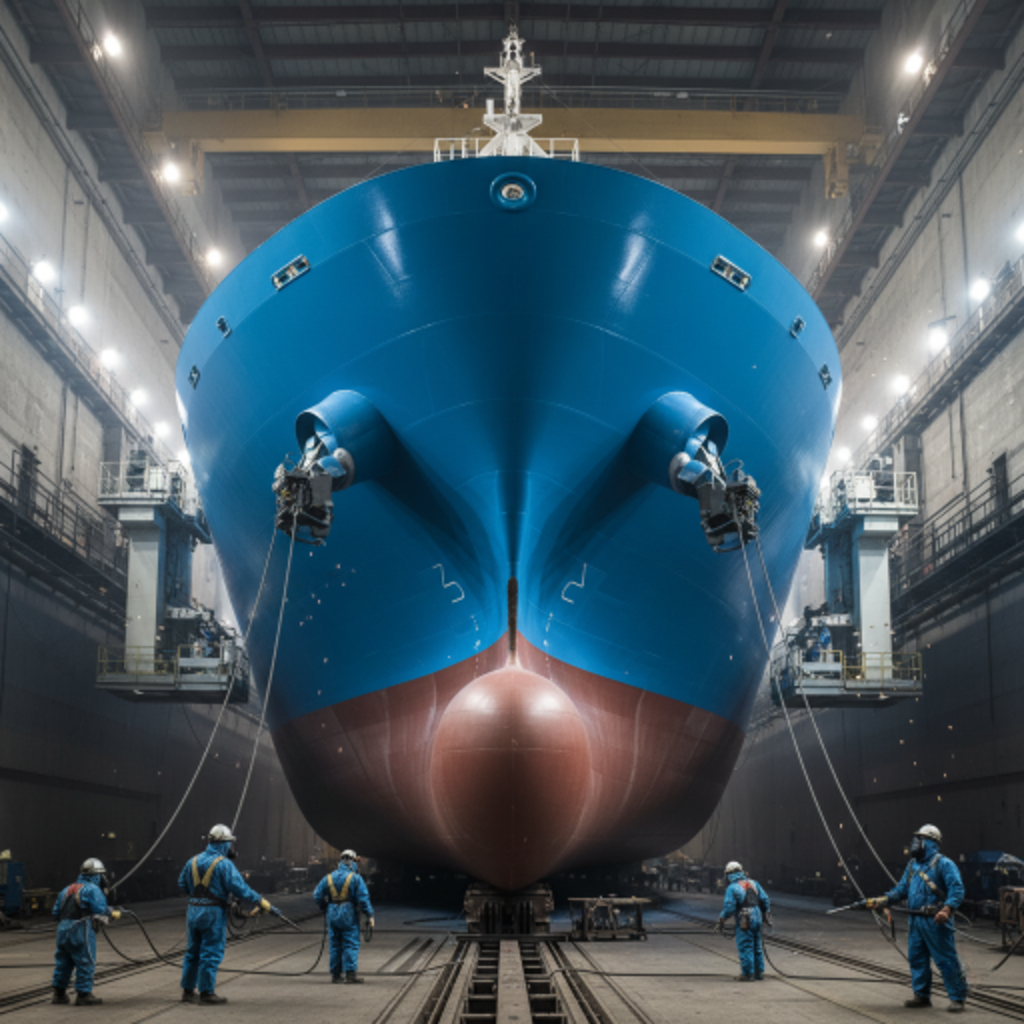
Investing in a premium two-component marine paint system is only half the battle; proper application unlocks its full potential. Following the correct procedures is non-negotiable for achieving the durability you expect.
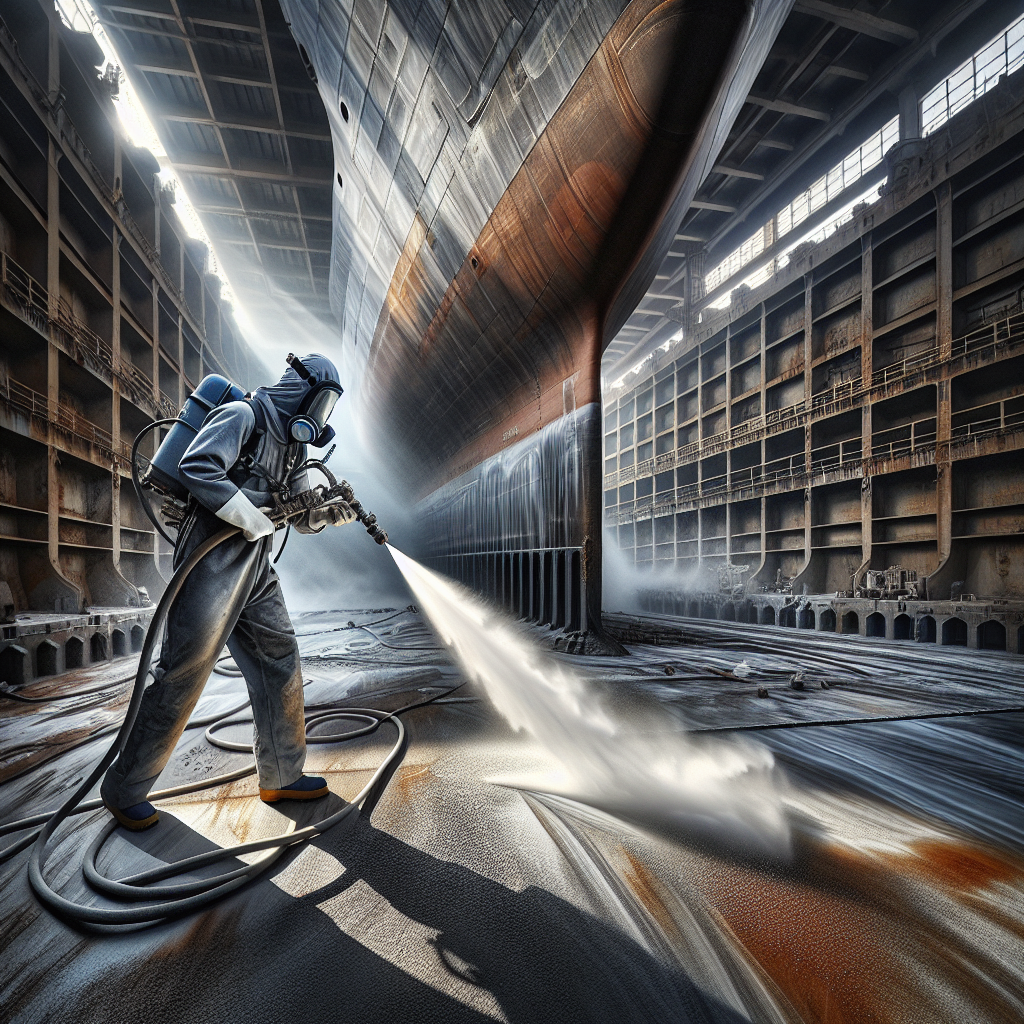
Step 1: Meticulous Surface Preparation
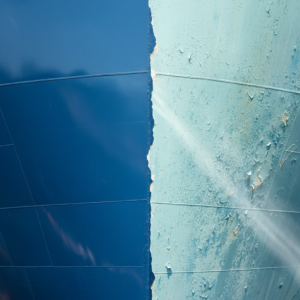
This is the most critical stage. Proper surface preparation for marine paint is essential, as 90% of coating failures are due to an inadequate foundation.
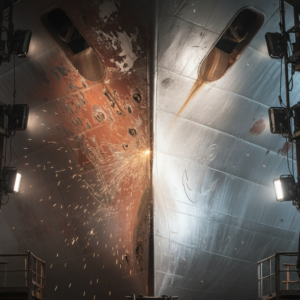
- Abrasive Blasting: For steel, grit blasting to the standard specified in the marine paint specifications (e.g., SA 2.5) is the best method. This removes all rust, scale, and old paint, creating a clean, profiled surface for the primer to grip.
- Cleaning: After blasting, the surface must be free of all contaminants like dust, grease, and oil.
Step 2: Mind the Mix and the Clock
- Mixing Ratios: Two-component paints must be mixed precisely according to the manufacturer’s instructions to ensure a proper cure.
- Pot Life: Always be aware of the pot life. Only mix as much paint as you can apply within this window before it becomes unusable.
Step 3: Ideal Application Conditions
The marine coating application environment plays a huge role. Applying paint in the wrong conditions can lead to failure.
- Temperature: Both ambient and steel temperatures must be within the specified range.
- Humidity: The steel temperature should be at least 3°C (5°F) above the dew point to prevent condensation from forming on the surface.
Calculating the True Value: Total Cost of Ownership (TCO)
It’s easy to focus on the per-gallon price of a commercial vessel paint and choose the cheaper option. However, the true measure of a coating’s value is its total cost of ownership (TCO).
A premium two-component system delivers a superior ROI:
- Longer Service Life: A quality epoxy/polyurethane system can last 10-15 years, while a single-pack system might need redoing every 3-5 years.
- Reduced Labor and Docking Costs: The biggest expense in a paint job is labor and dry-docking fees. Extending the repaint cycle from 5 to 15 years eliminates two full repaint projects, saving thousands.
- Less Downtime: Longer-lasting coatings keep your asset in the water and generating revenue.
- Fewer Steel Repairs: Superior corrosion resistance means less steel degradation, preventing costly steel replacement during maintenance.
When you factor in these variables, the initial higher cost of a two-component marine paint is quickly offset by massive long-term savings.
Conclusion: Invest in Protection and Performance
Choosing a coating for your vessel impacts your budgets and profitability for years. While the upfront cost of a two-component marine paint system is higher, its unparalleled durability, superior protection, and significantly lower total cost of ownership make it the clear winner for any serious operator.
By prioritizing a robust system built on high-performance epoxy primers and finished with a durable polyurethane topcoat, you are making a strategic investment in the longevity and efficiency of your vessel.
Ready to protect your investment with a coating system built to last? Contact our technical experts to discuss your specific marine paint specifications and design a system that delivers unbeatable ROI.
“`