A Guide to Marine Coatings for Commercial Vessels
For operators of commercial ships, high-use workboats, or private charters, choosing a protective coating is more than an aesthetic choice—it’s one of the most critical financial decisions you’ll make. The marine environment is relentlessly harsh, defined by saltwater corrosion, intense UV radiation, constant abrasion, and aggressive bio-fouling. This reality demands robust, scientifically formulated protective paint systems.
A poor coating decision can lead to premature structural decay, increased hydrodynamic drag, soaring fuel costs, and expensive, unplanned downtime. Conversely, a strategic approach to marine protection enhances asset longevity and boosts operational efficiency.
This guide breaks down the essential elements of commercial marine coatings, providing actionable insights for maritime professionals. Our goal is to help you maximize coating durability, ensure compliance with environmental standards, and lower your total cost of ownership. Whether you’re managing a drydock refit or developing long-term fleet maintenance solutions, mastering the layers of marine protection is key to safeguarding your valuable assets.
The Power of a Multi-Layered Coating System
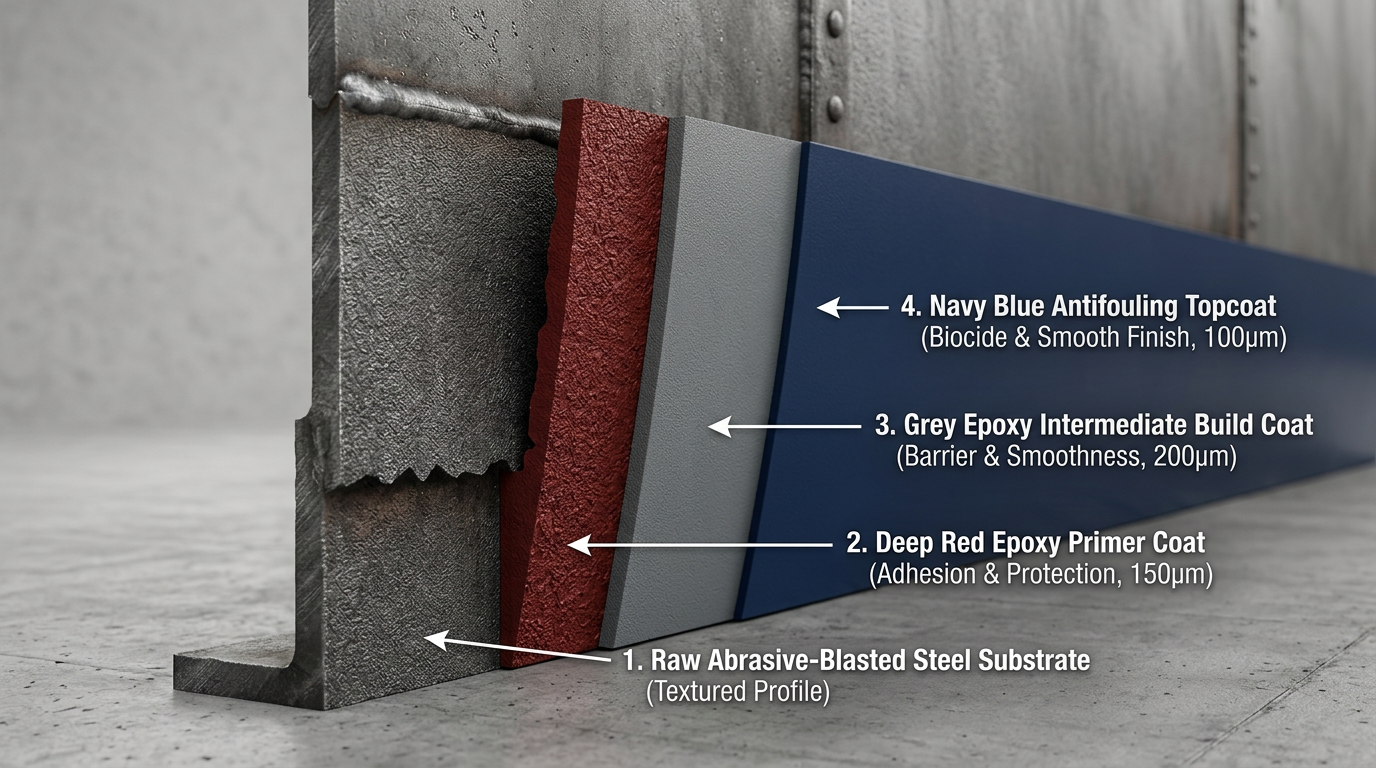
In the demanding maritime industry, a single layer of paint is never enough. Modern vessel protection relies on a multi-layered system where each coat performs a specialized function. From sealing the hull to preventing marine growth, understanding how these layers work together is vital. The primary goal is to create a synergy that defends the underlying substrate—whether steel, aluminum, or fiberglass—from the ocean’s destructive forces. When engineered correctly, these integrated systems extend maintenance intervals and protect the vessel’s structural integrity for years.
The Foundation: Flawless Vessel Surface Preparation
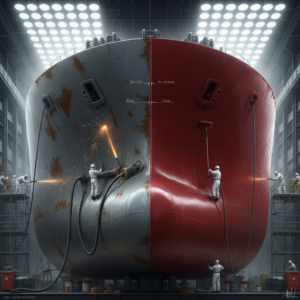
Even the most advanced coatings will fail without proper vessel surface preparation. Before any paint is applied, the hull, decks, and superstructure must be meticulously cleaned, repaired, and profiled.
- •Cleaning and Degreasing: The process begins with washing away soluble salts, contaminants, oils, and grease.
- •Abrasive Blasting: For steel and aluminum, techniques like sandblasting or water jetting remove old paint and create a surface profile, or “anchor pattern,” allowing the primer to achieve a powerful mechanical and chemical bond.
- •Substrate Restoration: This stage involves meticulous fiberglass gelcoat repair for composite vessels to fix blistering or impact damage. For steel and aluminum, it means targeted removal of rust and severe oxidation.
Proper preparation is non-negotiable. It ensures flawless paint adhesion, directly impacting coating durability and eliminating the risk of delamination at sea.
Selecting the Right Marine Paints
Once the surface is prepped, it’s time to build the protective layers. The choice of marine paint is broken down by its specific function and location on the vessel.
Marine Epoxy Primer Systems
The primer is the foundational barrier of your coating system. A high-quality marine epoxy primer creates a waterproof shield against water ingress, osmosis, and galvanic corrosion. Epoxy resins are the commercial standard due to their exceptional adhesion and density.
When selecting a primer, consider the vessel’s operational environment. For example, the JDH815 Iron Oxide Red Epoxy Primer provides a heavily fortified, anti-corrosive foundation for steel hulls. For vessels facing intense mechanical wear or those made from specific alloys, a product like the JDH835 Aluminum Iron Epoxy Anti-Rust Paint offers enhanced abrasion resistance, making it an ideal foundation for specialized aluminum boat paint applications.
High-Performance Polyurethane Topcoats
Above the waterline, the topsides, decks, and superstructure are exposed to UV radiation, chemical spills, and physical abrasions. Here, the topcoat is critical. A premium polyurethane topcoat is the industry standard for above-waterline protection. These two-component systems deliver superior gloss retention, color stability, and resistance to harsh weather.
For a pristine, yacht-quality finish that can withstand commercial use, the JD908 Acrylic Polyurethane Topcoat Non-Yellowing Resistant offers exceptional aesthetic longevity and chemical protection. For general topside and hull applications where budget and ease of maintenance are priorities, a reliable product like the JDC43-31 Alkyd Hull Paint provides a durable, easy-to-apply solution for workboats and cargo vessels.
The Science of Antifouling Paint Selection
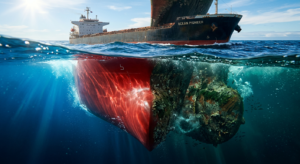
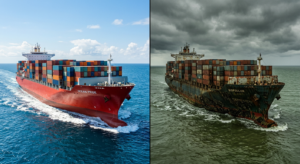
Perhaps the most complex decision is the antifouling paint selection. Marine growth like barnacles, algae, and slime creates drag on the hull, which can increase fuel consumption by up to 40%. The right bottom paint depends on the vessel’s speed, water temperature, and idle time.
- •Ablative / Self-Polishing Antifouling: These paints wear away at a controlled rate, constantly exposing a fresh layer of biocides. They are favored for commercial fleets as they prevent thick paint buildup over time. The JD753 Tin-free self-polishing antifouling paint is a prime example of an advanced solution that keeps hulls smooth while complying with environmental regulations.
- •Hard Antifouling Paints: Best for fast-moving vessels or those idle for long periods, these paints create a hard, porous surface that leaches biocides over time and withstands scrubbing.
Fleet managers must also navigate local and international VOC regulations and biocide restrictions to ensure their chosen systems are compliant across all jurisdictions.
Best Practices for Boatyard Paint Application ⚓
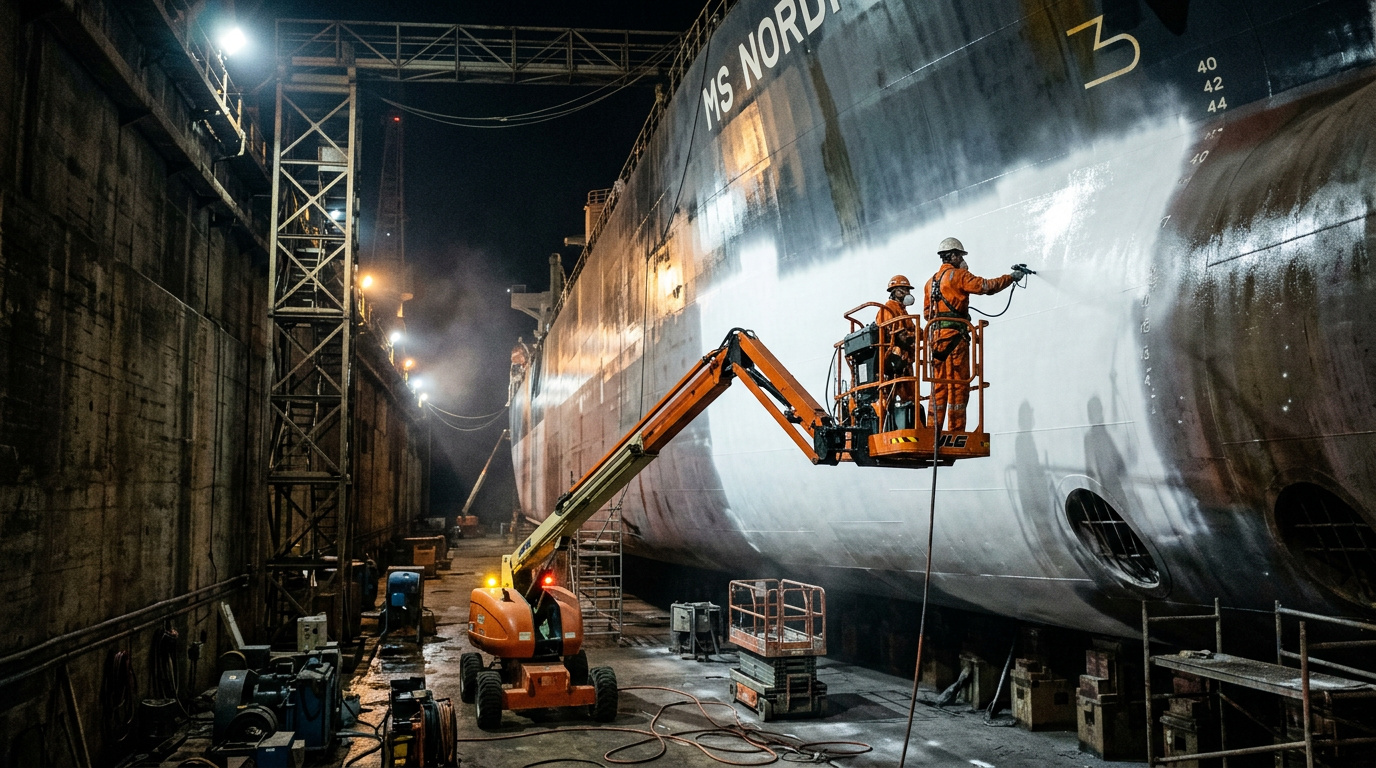
Selecting the right paint is only half the battle; a flawless boatyard paint application guarantees success. Commercial shipyards must follow strict environmental controls and manufacturer specifications.
- Monitor Environmental Conditions: Humidity, dew point, and temperature affect how coatings cure. Painting outside the recommended window can cause adhesion failure.
- Observe Overcoating Intervals: Each layer has a specific “recoat window.” Applying a coat too early or too late can trap solvents or require extra sanding.
- Utilize Proper Spray Equipment: Commercial applications require airless sprayers to ensure a consistent dry film thickness (DFT), which is vital for calculating the coating’s lifespan.
- Execute Stripe Coating: Manually apply paint with a brush to all sharp edges, welds, and bolts before spraying. This prevents premature rust in areas where paint naturally thins as it cures.
Maximizing Durability and Reducing Total Cost of Ownership
For pragmatic operators, decisions about marine paint should never be based on upfront cost alone. The true metric of success is the total cost of ownership (TCO) over the vessel’s lifecycle.
Investing in premium commercial marine coatings, such as high-grade epoxy primers and advanced self-polishing antifouling paints, drastically reduces the frequency of drydocking. Every day a vessel is out of service is a day of lost revenue. By prioritizing coating durability, managers can extend maintenance intervals from 36 months to 60 months or more.
Furthermore, a smooth, foul-free hull optimized by the correct antifouling paint selection leads to significant savings in daily fuel consumption. This lowers operational costs and reduces greenhouse gas emissions, helping companies meet global carbon reduction targets. When developing long-term fleet maintenance solutions, successful operators always factor in fuel efficiency, labor rates, and the extended lifespan of the vessel itself.
Conclusion: Securing Your Fleet’s Future
Choosing the optimal marine paint requires a deep understanding of chemistry, operational environments, and application processes. From critical vessel surface preparation to the flawless application of a polyurethane topcoat, every step matters.
By focusing on high-quality commercial marine coatings and insisting on best practices in boatyard paint application, maritime professionals protect their multi-million dollar assets. This ensures compliance with VOC regulations while driving down the total cost of ownership.
If you are planning your next drydock, retrofitting a vessel, or upgrading your fleet maintenance solutions, consulting with coating specialists is paramount. Specifying the right layers—from impenetrable primers to eco-conscious antifouling—will pay dividends for years to come.
Recommended External Resources
For further professional reading, operational guidelines, and industry standards regarding marine coatings and environmental compliance, explore these highly valuable external resources:
-
NACE International (AMPP) – Standards for Surface Preparation
Learn more about the official industry standards for vessel surface preparation and corrosion control. -
International Maritime Organization (IMO) – Anti-Fouling Systems Convention
Review the global IMO regulations on antifouling paint selection and environmental mandates. -
EPA Guidelines on Marine Coating VOC Emissions
Gain a deeper understanding of marine paint VOC regulations and shipbuilding compliance in the United States.