“`html
Beyond Copper: Future-Proof Your Fleet with Antifouling Paint
The tide is turning for the marine industry. For years, copper-based paint was the standard for protecting hulls from marine growth. But the game has changed. A growing wave of environmental regulations is making the switch to copper-free antifouling paint not just an option, but a necessity.
Are you ready for this shift? Wondering if new coatings can match the performance you expect and fit within your budget? This guide is your new chart. We’ll cut through the noise, explore the powerful new technologies replacing copper, and give you a clear-eyed analysis of performance and cost, helping you make the smartest choice for your fleet.
The Regulatory Wave: Why Copper is Being Phased Out
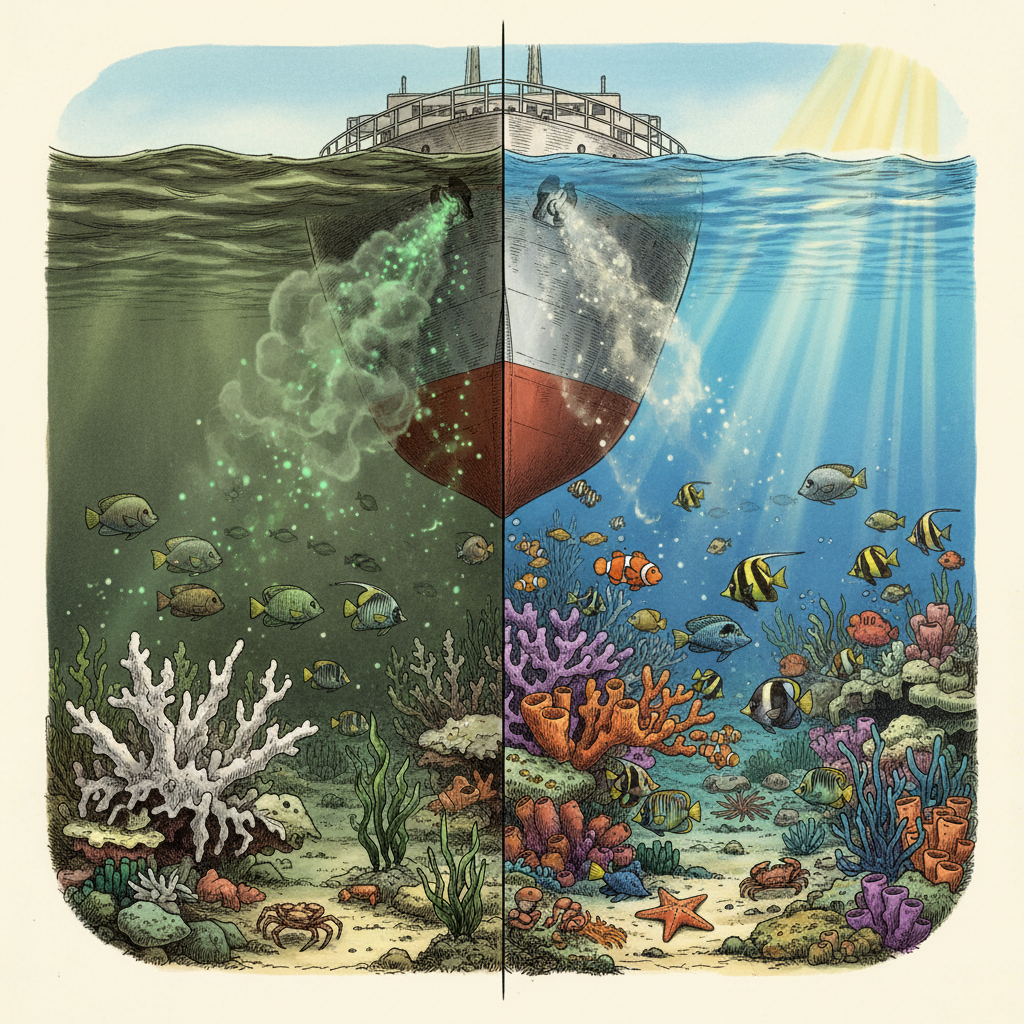
Copper antifouling paint works by releasing copper ions that are toxic to barnacles, algae, and slime. This is effective for marine growth prevention, but it comes with a steep ecological price. These same ions harm non-target marine life, accumulating in harbors and disrupting fragile aquatic ecosystems.
As a result, governments are cracking down with strict environmental marine regulations, leading to a copper paint ban in critical regions:
- Washington & California, USA: These states are leading the charge, passing legislation to phase out and restrict copper-based paints on vessels to protect their coastal waters.
- The European Union: The EU’s Biocidal Products Regulation (BPR) has placed copper under intense scrutiny, driving the market toward greener alternatives.
The message is clear: the future is copper-free. Waiting for a ban in your area is a losing game that will force rushed, costly decisions. Proactively adopting high-performance copper-free antifouling paint is the forward-thinking strategy that ensures compliance, boosts your green credentials, and unlocks long-term savings.
Meet the Alternatives: Next-Generation Hull Protection
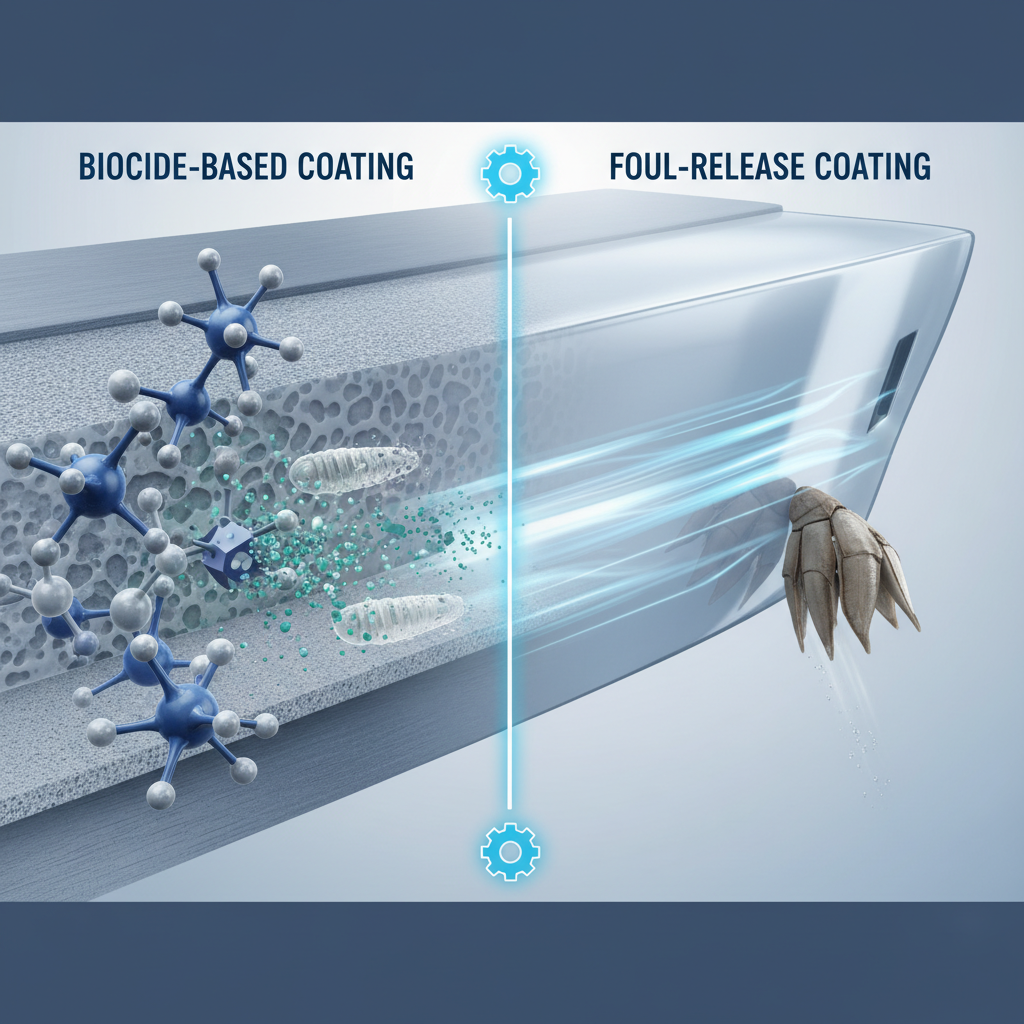
Innovation has outpaced regulation, delivering a new generation of coatings that aren’t just about compliance—they’re about superior performance. The two leading technologies are advanced biocide-based paints and game-changing slick foul-release coatings.
Biocide-Based Copper-Free Paints: The Reliable Upgrade
These coatings work like traditional paint but use modern, environmentally sound biocides instead of copper. The star player is Econea®, a metal-free biocide that is powerfully effective against hard-fouling organisms like barnacles, even in tiny amounts.
- How They Work: Econea prevents marine larvae from latching onto the hull. Paired with a co-biocide to stop soft growth like slime, it offers powerful, broad-spectrum protection.
- Performance: Today’s copper-free options deliver performance that meets or even exceeds their copper predecessors, offering a hard, durable finish you can count on.
- Best For: These coatings are an ideal all-around choice for a seamless transition from traditional copper paints for both commercial and recreational vessels.
Foul-Release Technology: The Slick Solution
Instead of fighting marine life with toxins, foul-release technology offers a revolutionary approach. These coatings create an ultra-smooth, low-friction surface that marine organisms simply cannot grip.
Imagine a hull so slick that any growth slides off with the vessel’s movement or a gentle wipe. That’s the power of silicone and fluoropolymer coatings.
- Extreme Longevity: These coatings aren’t used up over time. They can last five to ten years, dramatically reducing haul-out frequency.
- Major Fuel Savings: The ultra-smooth surface slashes drag, delivering proven fuel efficiency benefits of 5-10% or more.
- Eco-Friendly: Releasing zero biocides, they are one of the most sustainable marine solutions available.
- Perfect for Aluminum: As a metal-free option, foul-release technology is the ultimate aluminum hull safe antifouling solution, completely eliminating the risk of galvanic corrosion.
While the initial investment for commercial vessel coatings may be higher, the long-term ROI from fuel savings and reduced maintenance is undeniable.
The Bottom Line: True Hull Coating Performance and Costs
A smart business decision looks beyond the price per gallon. To truly understand the value, you need to analyze the total cost of ownership (TCO) and real-world hull coating performance.
Beyond the Price Tag: Total Cost of Ownership (TCO)
Yes, a premium copper-free or foul-release coating can have a higher initial price. But that upfront cost is dwarfed by the long-term savings.
- Fewer Haul-Outs: A coating that lasts 5-10 years instead of 2 eliminates entire dry-docking cycles. This saves you money on labor, materials, and—most importantly—costly operational downtime.
- Massive Fuel Savings: Fouling creates drag, forcing your engines to burn more fuel. The fuel efficiency benefits from a clean, slick hull can translate into tens of thousands of dollars in savings every year for a commercial vessel.
- Lower Maintenance: Foul-release coatings are incredibly easy to clean, often requiring just a simple in-water wipe-down. This reduces maintenance costs and protects the hull from harsh, abrasive cleaning.
Making the Switch: Your Action Plan ⚓
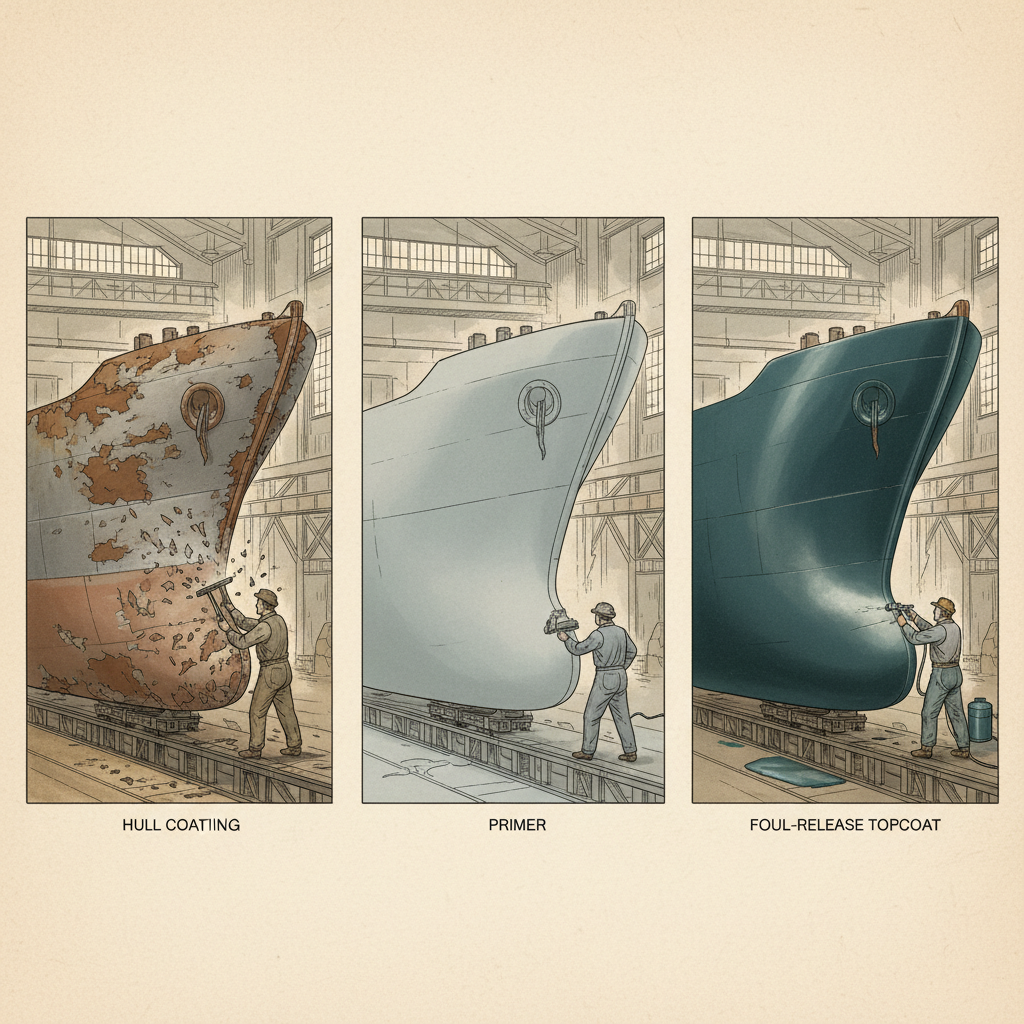
Upgrading to a modern copper-free system is simple when done right. Flawless surface preparation is the key to unlocking maximum performance and longevity.
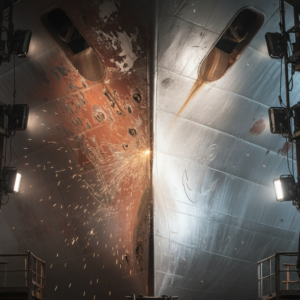
- Start Fresh: The old copper paint must be completely stripped away by blasting or sanding to ensure perfect adhesion and prevent chemical reactions.
- Build a Strong Foundation: Apply a high-quality anti-corrosive primer. This protects the hull and creates the ideal surface for the new antifouling system.
- Apply with Precision: Always follow the manufacturer’s specifications. Correct temperature, humidity, and film thickness are critical for achieving peak hull coating performance.
Charting a More Profitable, Sustainable Course
The move away from copper antifouling paint is more than a regulatory hurdle; it’s an opportunity to innovate, boost efficiency, and become a leader in marine stewardship. By focusing on the total cost of ownership, you’ll discover that high-performance copper-free antifouling paint and foul-release systems are not just a compliance tool, but a powerful financial and ecological investment.
Ready to upgrade your fleet? The future of hull protection is here. Contact our experts to find the perfect coating system to meet your needs.
“`