Smarter Marine Paint Choices for Peak Fleet Performance
Your Guide to Choosing the Right Marine Paint
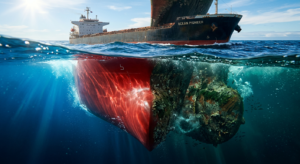
In the high-stakes world of commercial fleet management, every decision impacts your bottom line. But one choice is quietly making or breaking your profitability: your marine paint. Think it’s just about aesthetics? Think again. The right commercial vessel paint is a strategic asset that slashes fuel costs, ensures compliance with IMO regulations, and protects your multimillion-dollar vessels from the elements. A poor choice leads to aggressive biofouling, costly corrosion, and an accelerated dry-docking schedule. In contrast, a high-performance marine coatings system delivers superior hull protection, minimizes drag, and drives down your overall vessel maintenance costs.
This guide cuts through the complexity, giving you the critical information needed to select the best marine paint to keep your fleet profitable, efficient, and in the water longer.
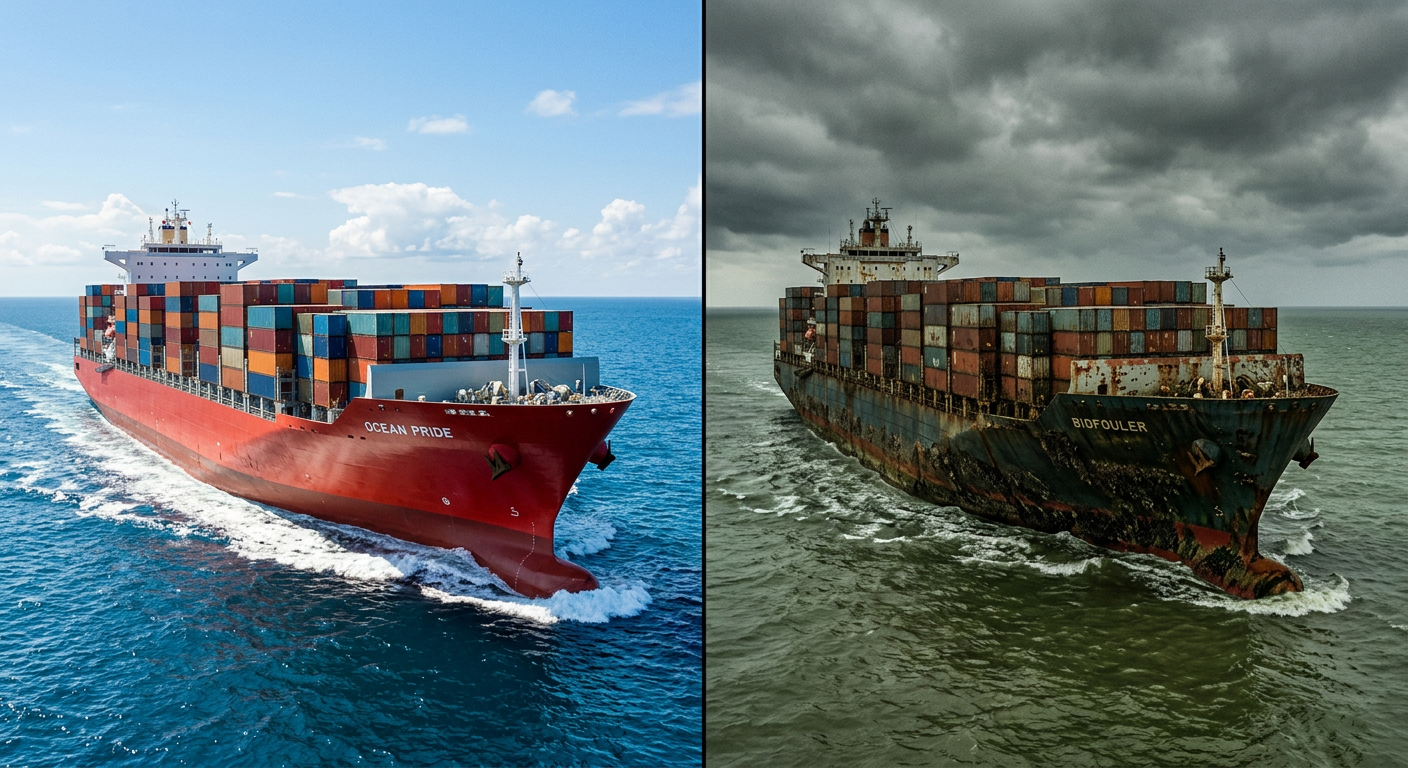
Why Your Paint Choice is a Mission-Critical Decision
The maritime industry doesn’t stand still. Today, marine coatings are advanced technologies essential for performance and compliance. The global push for decarbonization means fleet managers must seize every efficiency advantage. This is where modern fuel efficiency coatings shine. By creating an ultra-smooth hull free from marine growth, these paints dramatically cut hydrodynamic drag. Less drag equals less engine power, translating directly to lower fuel burn and a smaller carbon footprint.
Beyond fuel savings, the structural integrity of your fleet is on the line. The ocean is a relentlessly corrosive environment. Your marine paint is the primary defense against saltwater, UV radiation, and physical damage. It’s not just maintenance—it’s asset protection.
The Anatomy of a High-Performance Marine Coatings System
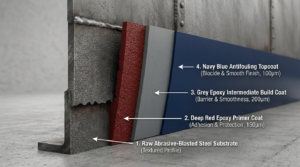
A single layer of paint isn’t enough. A complete marine coatings system works in harmony to provide ultimate protection:
- Anticorrosive Primer: The foundation. It bonds to the steel, creating an impermeable barrier against water and oxygen to stop rust before it starts.
- Tie Coat: The essential middle layer, ensuring a powerful bond between the primer and the topcoat or antifouling paint.
- Antifouling Paint: The outer layer below the waterline, engineered with biocides or foul-release technology to prevent marine growth.
- Topcoat/Hull Paint: Applied above the waterline, this layer provides UV resistance, gloss retention, and protection from weather and operational wear.
Key Factors for Selecting Commercial Vessel Paint
The right marine paint depends entirely on your fleet’s unique operational profile. What works for a trans-pacific container ship won’t work for a coastal tugboat. Consider these critical variables:
Operating Environment and Vessel Activity
Where does your fleet operate? Warm, tropical waters accelerate biofouling far more than colder climates. Is your vessel constantly moving, or does it spend weeks at anchor? A stationary ship needs a different kind of antifouling paint than one always at cruising speed.
For reliable, eco-friendly protection, the JD753 Tin-free self-polishing antifouling paint is a strategic choice. Its self-polishing action continuously renews the biocide layer, ensuring long-term effectiveness without harmful organotin compounds.
Surface Preparation Standards
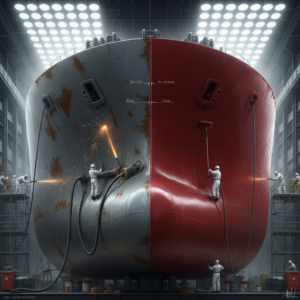
The most advanced marine paint will fail on a poorly prepared surface. Strict adherence to surface preparation standards (like ISO or SSPC/NACE) is non-negotiable. Whether it’s a new build or a dry-dock repair, all rust, mill scale, and contaminants must be completely removed via abrasive blasting or UHP water jetting for the primer to achieve a tenacious bond.
Protecting Above and Below the Waterline
Topsides, decks, and superstructures face a brutal combination of sun, salt spray, and physical abrasion. For these areas, you need a resilient topcoat that resists fading and peeling.
For proven reliability and easy crew maintenance, consider the JDC43-31 Alkyd Hull Paint. For a premium, long-lasting finish with exceptional gloss retention and UV resistance, the JD918 Acrylic Polyurethane Hull Paint (Yellowing resistance) is an outstanding choice.
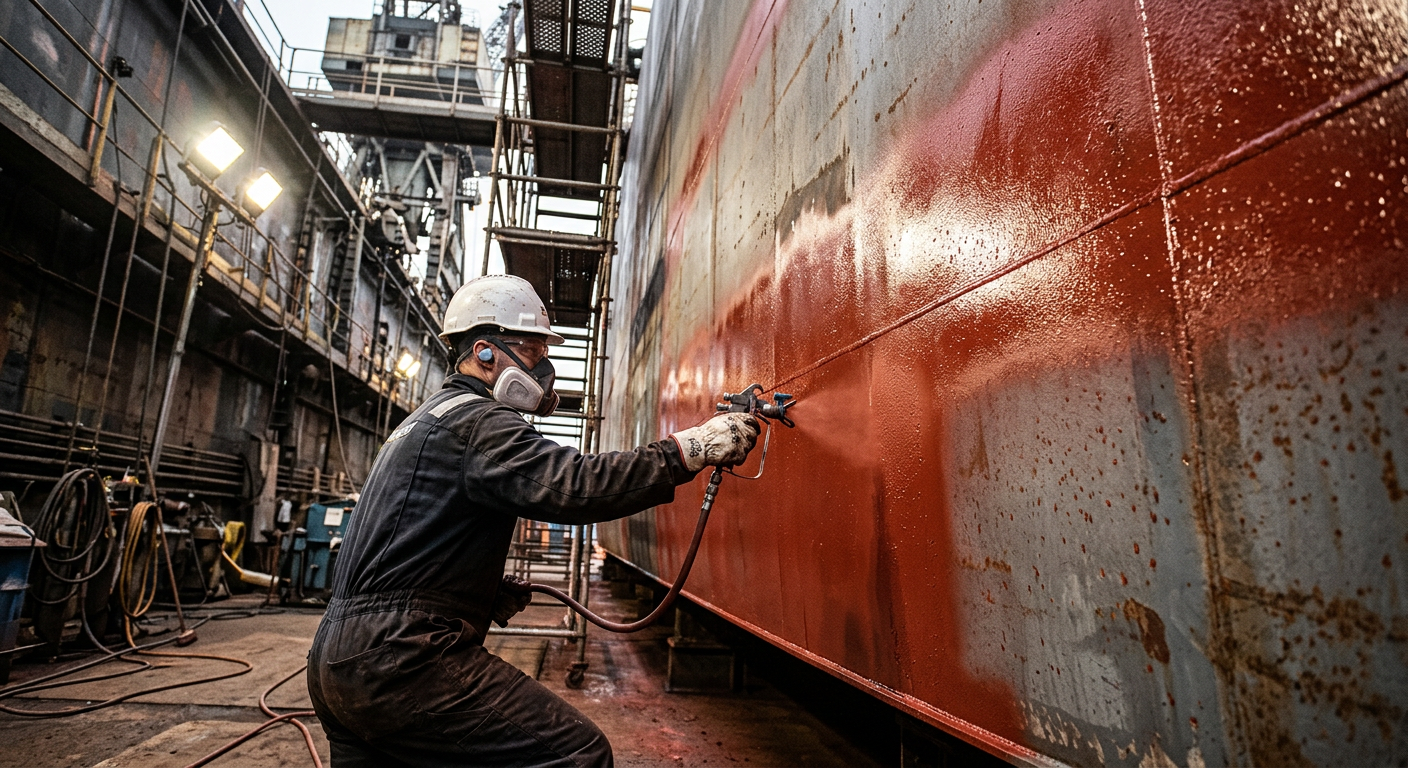
Winning the War on Corrosion with Marine Epoxy and Primers
Corrosion is the silent killer of vessel profitability, leading to expensive steel replacement and unplanned downtime. Your best weapon in this fight is a high-quality anticorrosive primer.
Marine epoxy coatings are the industry gold standard, offering incredible adhesion and chemical resistance. They cure to form a tough, impermeable film that locks out moisture and oxygen.
- For traditional applications, the JDC53-31 Red Lead Alkyd Anti-Rust Paint remains a reliable choice for above-waterline maintenance.
- For a versatile and robust foundation, the JDH815 Iron Oxide Red Epoxy Primer provides excellent rust prevention and serves as a perfect base for a multi-coat system.
- In sensitive or confined spaces where low VOCs are critical, the JDH836 Solvent-Free Aluminum Iron Epoxy Anti-Rust Paint delivers superior barrier protection with zero solvent emissions.
Investing in these primers directly reduces long-term vessel maintenance costs.
Specialized Coatings for Ballast and Potable Water Tanks
Internal tanks demand specialized coatings. Ballast tank coatings face some of the harshest conditions on a vessel, cycling between corrosive seawater and damp, humid air. A thick, resilient marine epoxy is crucial to prevent pitting corrosion and structural failure.
Equally important are coatings for potable water tanks. These must be non-toxic and incapable of tainting the crew’s drinking water. For this sensitive application, fleet managers rely on certified products like the JDH912 Epoxy Potable Water Tank Coating, a solvent-free formula tested to ensure water safety.
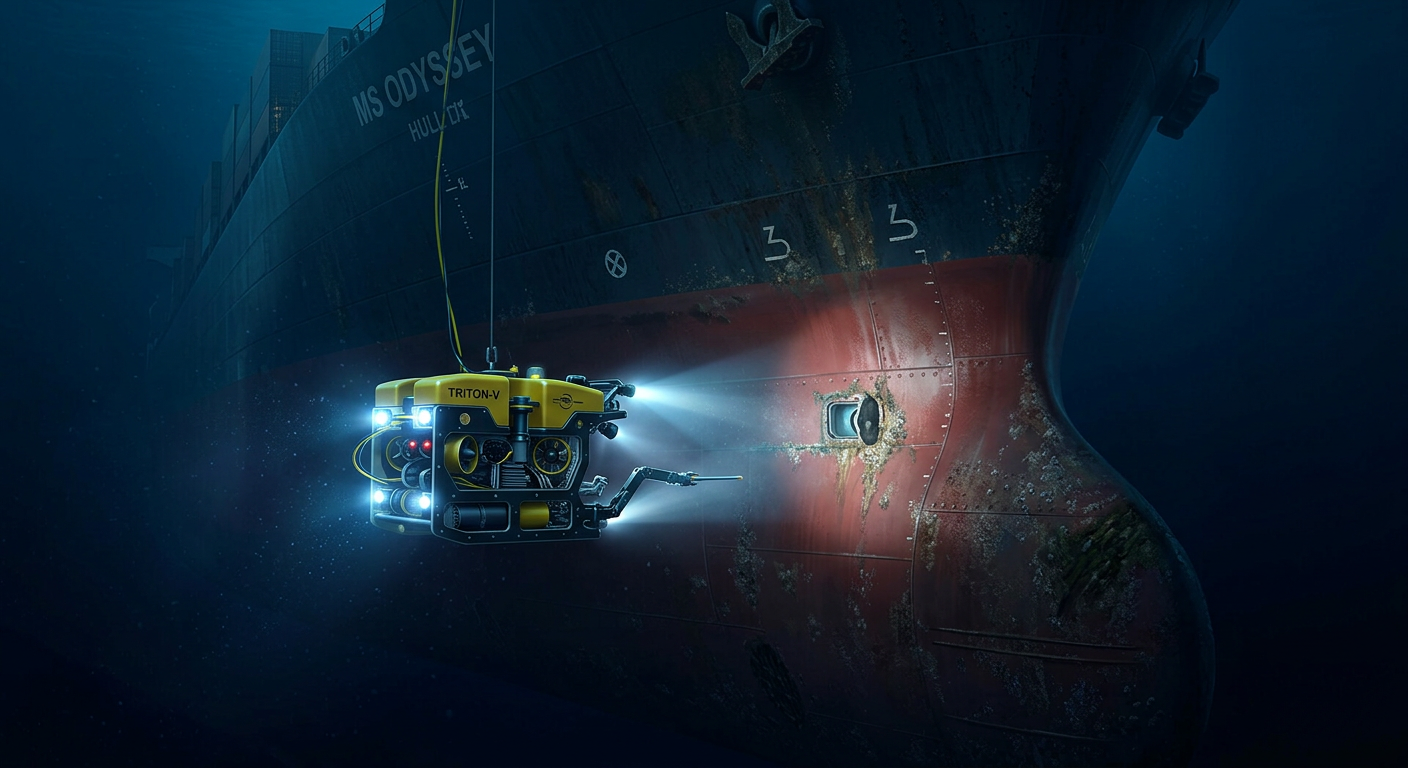
Maximize Your Marine Paint Investment
Great products are only half the equation. Maximize your ROI with proactive maintenance:
- Conduct Regular Underwater Inspections: Use divers or ROVs to catch blistering, damage, or detachment early, allowing for minor in-water repairs before they become major problems.
- Monitor Coating Performance: Track fuel consumption against the time since the last antifouling application. A sudden drop in efficiency is a red flag for biofouling.
- Partner with Reputable Suppliers: Work with coating manufacturers and their technical reps for guidance on compatibility and application to ensure your marine coatings system performs as designed.
Conclusion
Viewing commercial vessel paint as a strategic asset, not just a consumable, unlocks significant operational advantages. From meeting IMO regulations with fuel efficiency coatings to protecting steel with robust anticorrosive primers, the right paint strategy pays dividends. Prioritizing superior surface preparation standards and choosing products tailored to your operational needs ensures optimal hull protection, extends your dry-docking schedule, and lowers your vessel maintenance costs.
Take the time to evaluate your current coating strategy. Partnering with reliable manufacturers and choosing specialized products safeguards your crew, your cargo, and your bottom line. 🚢
External Resources and Further Reading