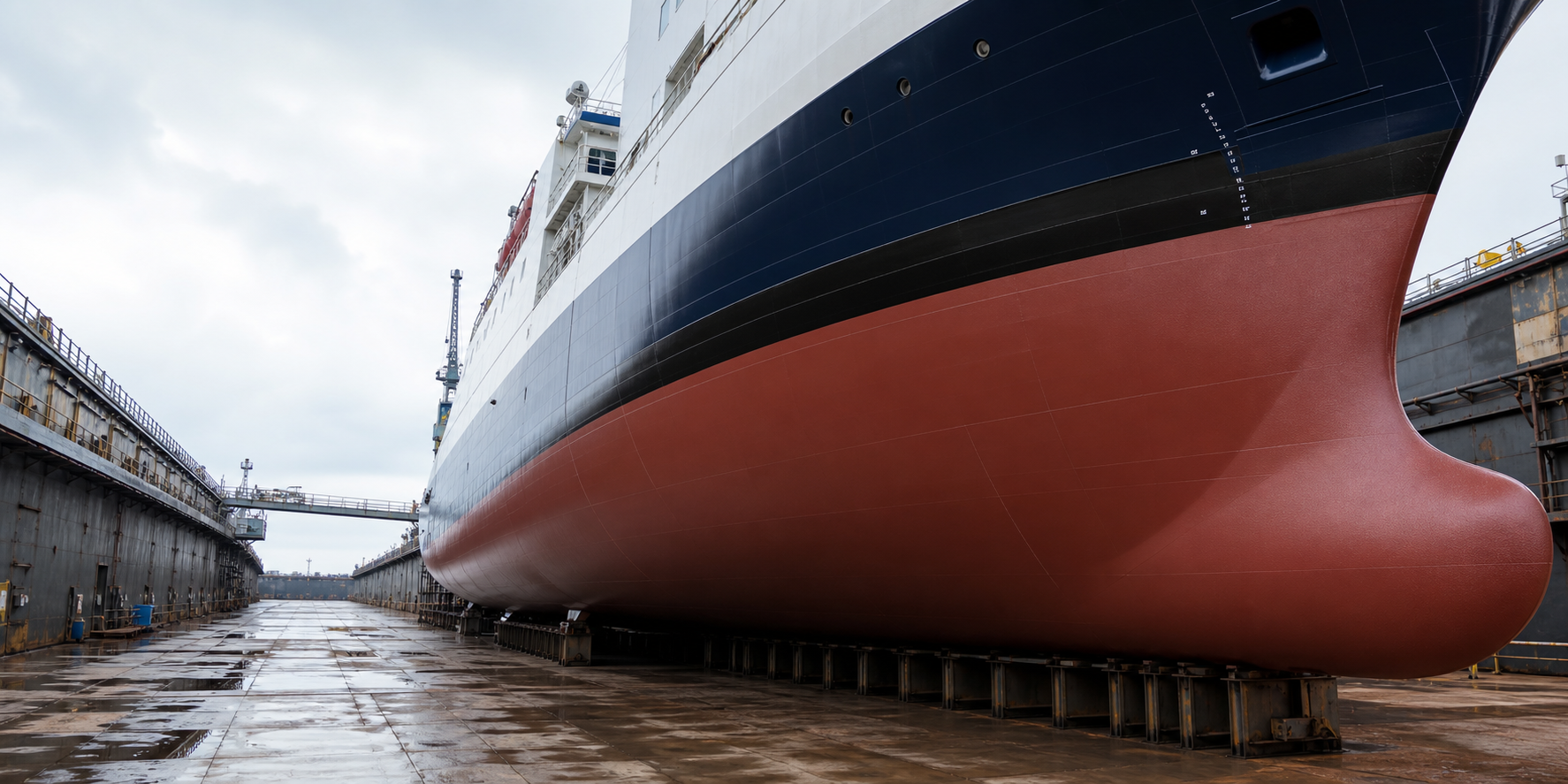

A system-focused hull page for buyers comparing underwater hull protection, boottopping bands, topside appearance, and compatible coating layers from steel preparation through final topcoat.
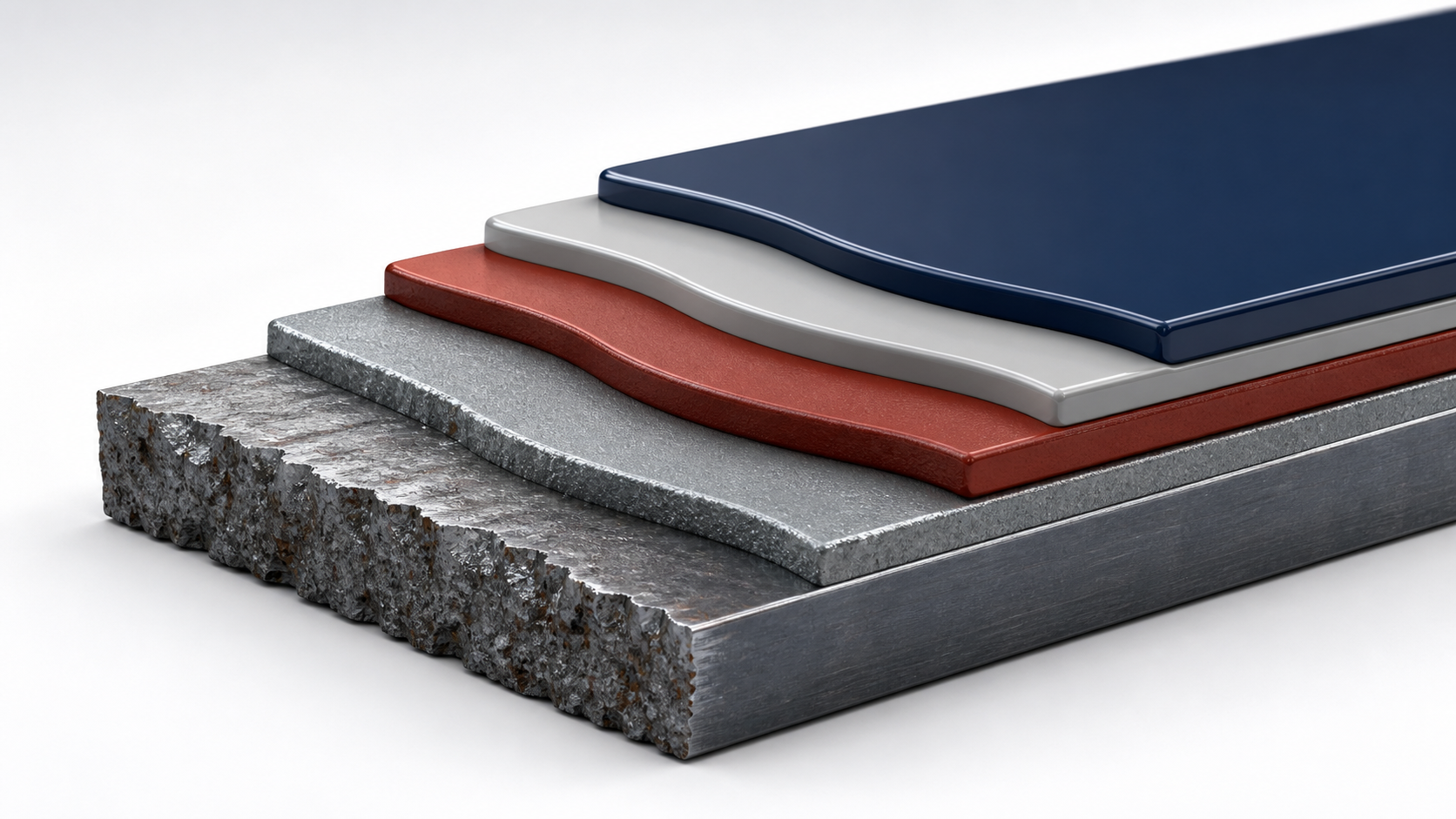
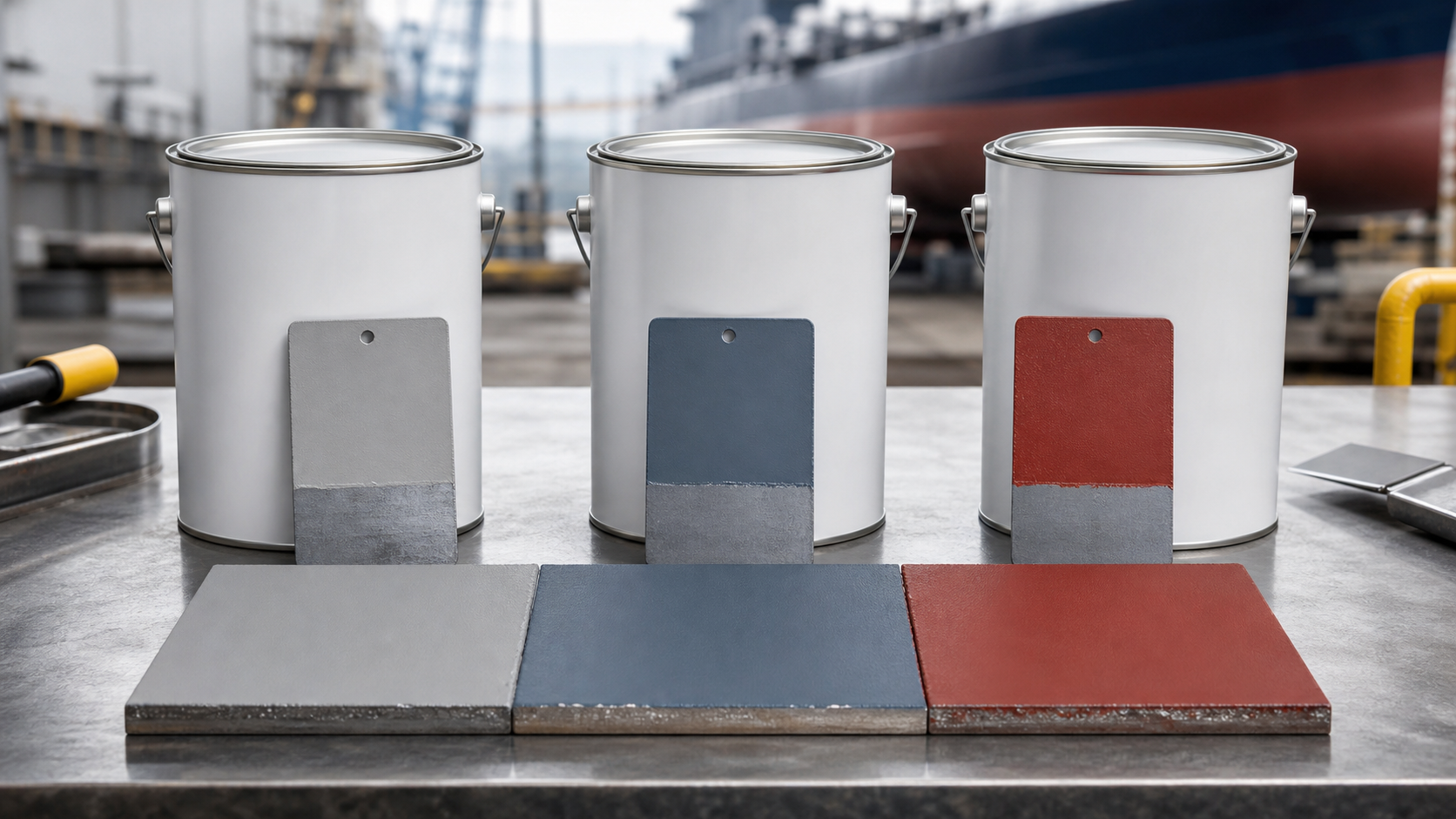
Below-waterline hull systems should be checked for old coating compatibility, surface preparation grade, tie coat requirement, and antifouling service interval.
View related products ->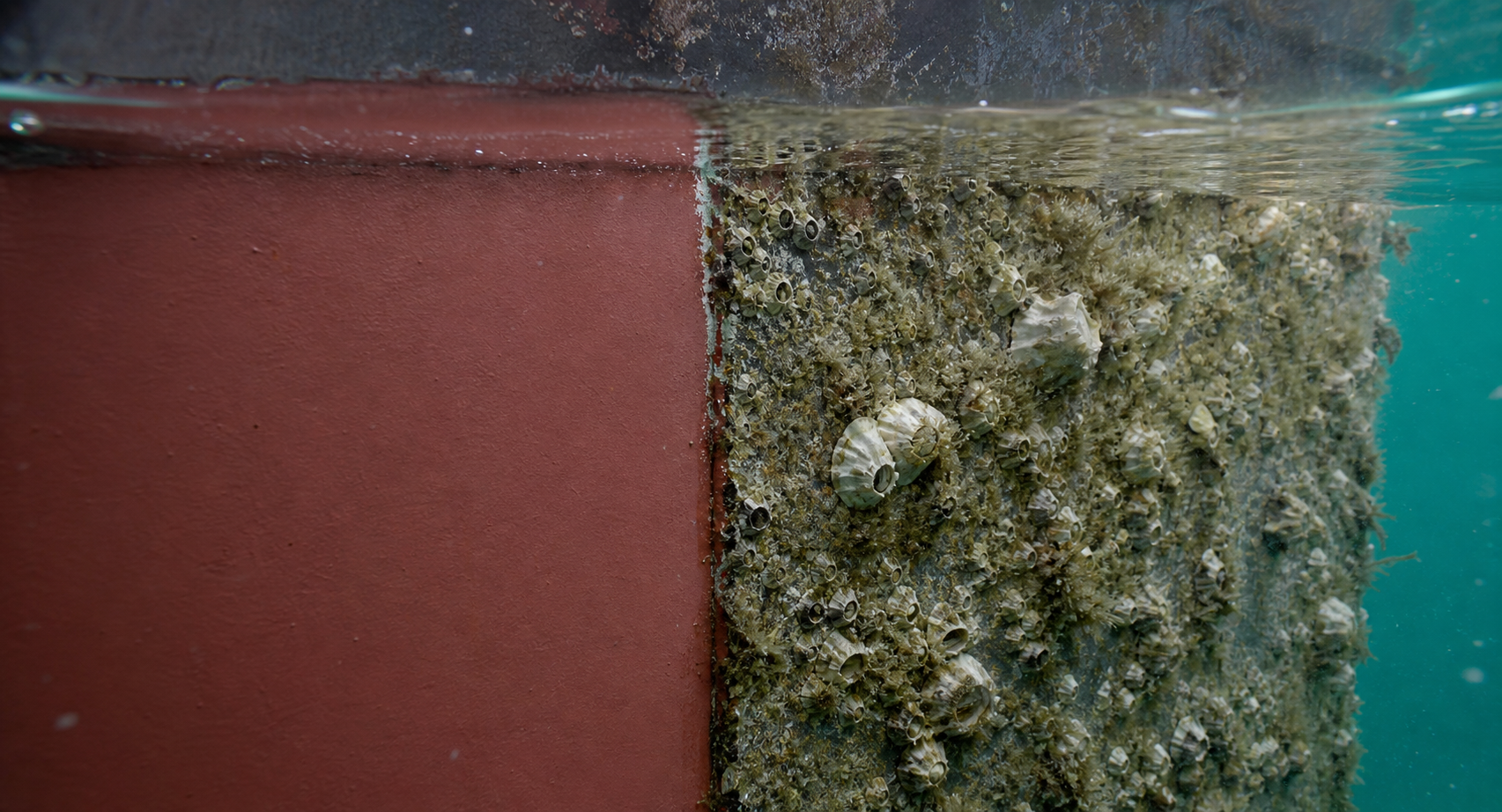
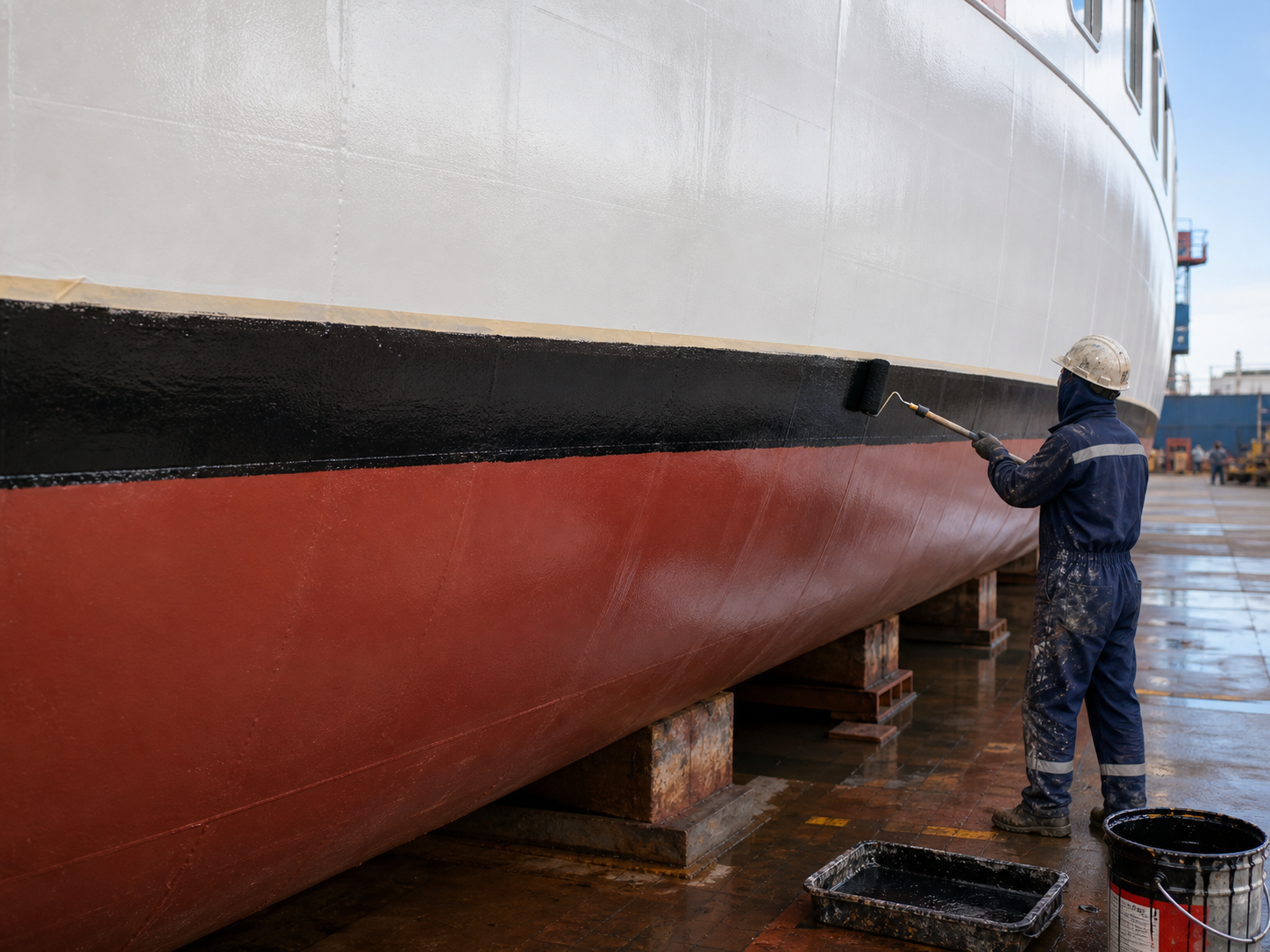
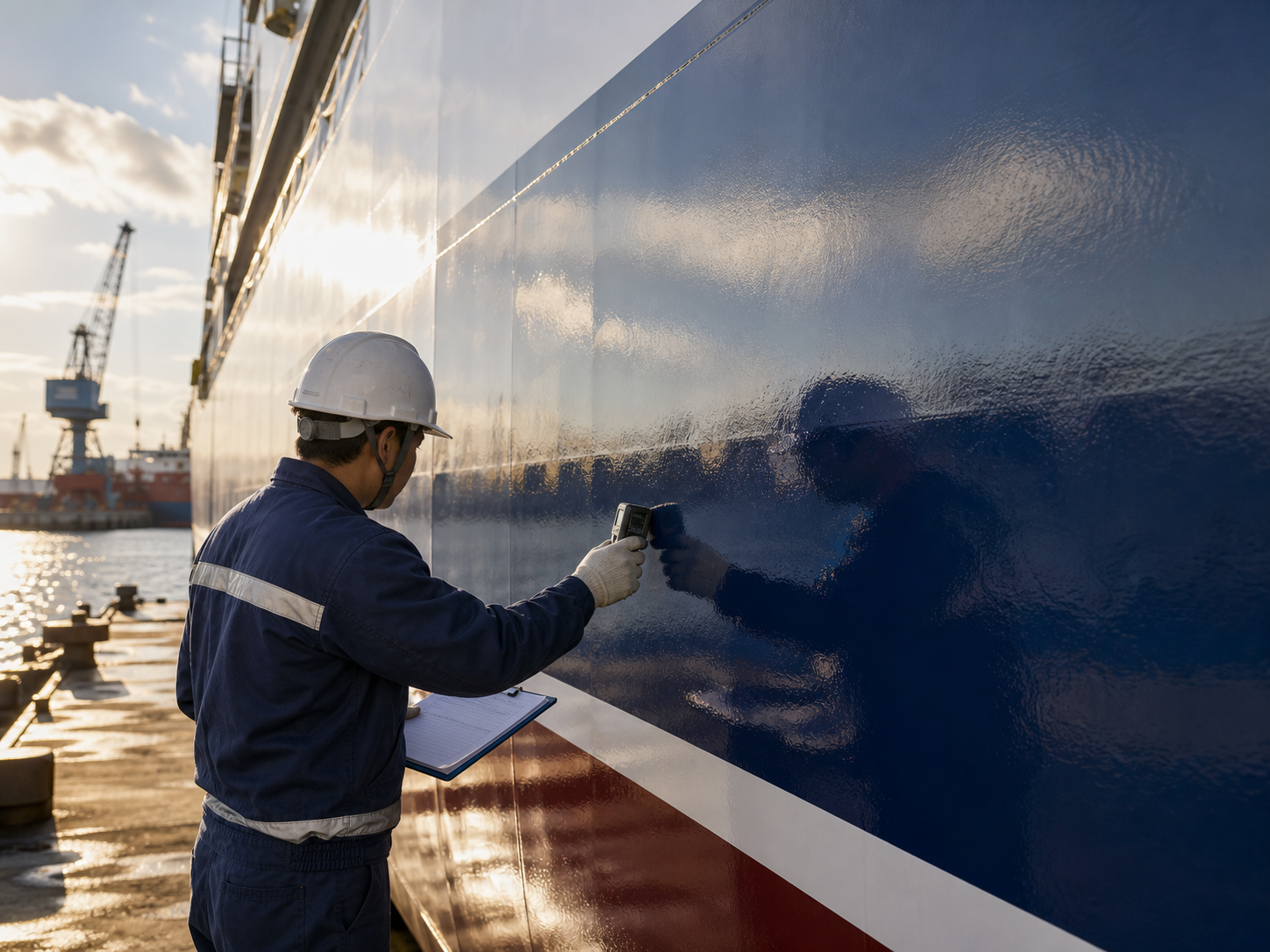
| System Function | Product Recommendation | Typical Role | Suitable Area | Key Benefits |
|---|---|---|---|---|
| First primer | JDH815 / JDH816 | General epoxy primer for prepared hull steel | Below waterline and topside steel | Adhesion and anti-corrosion foundation |
| Zinc-rich option | JDH06-4 | Zinc-rich anti-rust primer where specified | High-protection hull and waterline projects | Strong zinc-layer protection |
| Tie coat | JDH263 | Bridge layer between epoxy primer and antifouling | Underwater hull systems | Improves intercoat adhesion |
| Antifouling | JD753 / JD744 / JD713 | Fouling-control topcoat | Underwater hull and vessel bottom | Self-polishing or chlorinated rubber options |
| Hull finish | JD918 / JDC43-31 | Above-waterline hull finish options | Topsides and visible hull areas | Weathering, color, and maintenance selection |
| Item | Reference Value | Specification Note |
|---|---|---|
| Epoxy primer solids | Project-specific by product | JDH815 / JDH816 are common hull primer choices. |
| Tie coat DFT | Around 50 um typical | Confirm with JDH263 / JDH817 latest TDS. |
| Antifouling type | JD753 self-polishing or JD744/JD713 chlorinated rubber | Select by voyage profile and dry-dock interval. |
| Topside finish | PU or alkyd | PU is preferred where gloss and weathering resistance are important. |
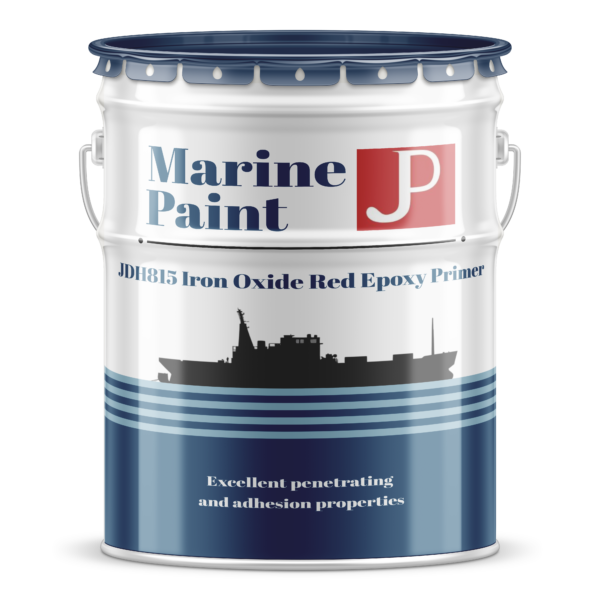
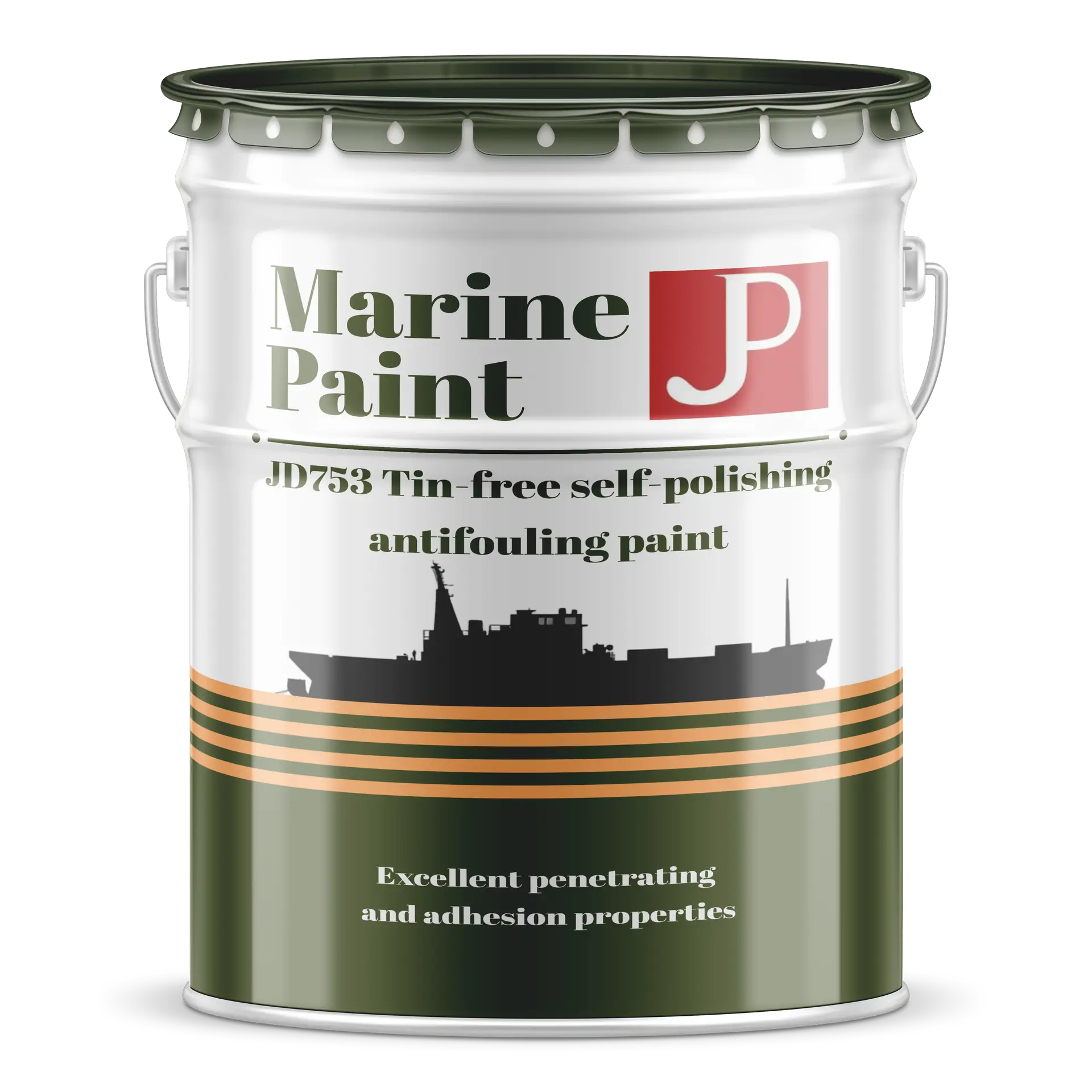
Long-acting antifouling for commercial underwater hulls.
View product ->High-appearance hull finish for above-waterline areas.
View product ->A tie coat helps connect epoxy primer or intermediate layers with antifouling paint and reduces intercoat compatibility risk.
JD753 is a key commercial antifouling option, but the final choice depends on route, vessel speed, idle time, fouling pressure, and dry-docking interval.
Only after confirming coating type, adhesion, surface cleaning, and compatibility. Unsound or unknown coatings should be treated cautiously.
Share vessel type, coated area, substrate, old coating condition, target DFT, service area, and dry-docking schedule. JD Marine Paint can respond with product match, TDS, quantity support, and quotation details.