Mastering Ballast Tank Coatings: Boost Asset Life, Slash Downtime, Ensure Compliance
The maritime world is an arena of constant challenge, where relentless corrosive forces attack every vessel component. Ballast tanks, vital for a ship’s stability and operational prowess, are particularly vulnerable. This makes the strategic importance of choosing the right ballast tank coating undeniable. It’s far more than just paint application; it’s a critical pillar of your vessel maintenance strategy, directly influencing longevity, operational expenses, and adherence to rigorous international maritime regulations.
This guide plunges into the complexities of marine coatings for ballast tanks, revealing how a meticulously planned coating selection process can profoundly maximize asset life, dramatically minimize downtime, and guarantee unwavering IMO PSPC compliance. We’ll dissect crucial elements like advanced corrosion protection solutions, the true impact on lifecycle cost analysis, and the absolute necessity of stringent surface preparation standards.

The Unseen Battle: Why Ballast Tank Corrosion is a Silent Killer
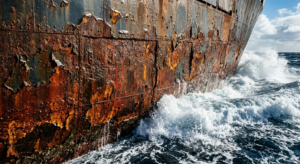
Ballast tanks are perpetually exposed to a destructive cocktail: saltwater, temperature extremes, abrasive sediments, and fluctuating oxygen levels. This volatile environment is a breeding ground for severe corrosion. Left unchecked, it stealthily leads to structural compromise, exorbitant repairs, and ultimately jeopardizes a vessel’s safety and operational integrity. The hidden nature of these tanks means corrosion often escalates unseen until devastating damage occurs, making proactive corrosion protection solutions an absolute imperative.
Without robust marine coatings, a ship’s structural backbone can be severely weakened. Pitting, general wastage, and even perforations demand extensive, costly steel renewals during dry-docking. These aren’t just budget drains; they force significant off-hire periods, directly eroding your vessel’s profitability and operational efficiency in shipping. Therefore, investing in premium ballast tank coatings isn’t an expense—it’s a strategic investment in the long-term health and earning potential of your maritime assets.

Navigating the Regulatory Imperative: IMO PSPC Compliance
One of the most powerful drivers in choosing the right ballast tank coating is the International Maritime Organization’s (IMO) Performance Standard for Protective Coatings (PSPC). This critical standard was introduced to tackle widespread ballast tank corrosion, mandating specific coating application and performance for all new ships. These regulations are engineered to deliver a minimum of 15 years of effective corrosion protection, significantly bolstering safety and reducing maintenance burdens.
Achieving and maintaining IMO PSPC compliance is non-negotiable; it’s a legal mandate demanding meticulous precision from the initial marine paint selection through to uncompromising surface preparation standards and flawless application. Non-compliance can unleash severe penalties, vessel detentions, and irreparable reputational harm. Therefore, any strategic ballast tank coating selection *must* prioritize PSPC-compliant coatings, expertly applied by certified professionals. This ensures just regulatory adherence, but a superior benchmark for asset integrity management.

Key Considerations for Strategic Ballast Tank Coating Selection
Selecting the optimal marine paint for ballast tanks requires a multi-faceted approach, meticulously balancing technical superiority with economic viability. Here are the critical factors:
Unleashing Coating Types and Their Power
The market offers diverse marine coatings, each with unique properties. For ballast tanks, proven choices include:
- Epoxy Coatings: These are the workhorses of marine corrosion protection. Two-pack epoxies deliver exceptional adhesion, hardness, and resistance to water and chemicals, forming an impenetrable barrier against corrosive elements. Many PSPC-compliant systems leverage epoxy technology.
- Modified Epoxy Coatings: These advanced variations incorporate specialized additives, boosting properties like flexibility, abrasion resistance, or accelerating curing times to meet specific operational demands or application environments.
When evaluating various marine paint selection options, it’s crucial to scrutinize specific formulations and their proven track records in similar harsh conditions. Our cutting-edge product, CorrosionDefender Pro Marine Coating, offers unparalleled long-term protection, meeting and exceeding stringent industry standards for ballast tank applications.
The Absolute Imperative of Surface Preparation Standards
Even the most advanced marine coating is doomed to premature failure if applied to an inadequately prepared surface. Surface preparation standards are, without question, the most critical phase of the entire coating process. This typically involves:
- Abrasive Blasting: Achieving a pristine, rough profile (e.g., Sa 2½ or Sa 3) is fundamental for mechanical adhesion, eradicating rust, old paint, mill scale, and other contaminants.
- Cleaning: Rigorous removal of dust, soluble salts, and grease post-blasting is paramount. Soluble salts, in particular, are notorious for causing osmotic blistering and catastrophic coating failure if not meticulously eliminated.
Investing time and resources in impeccable surface preparation directly translates into a dramatically extended coating lifespan and superior corrosion protection solutions. Cutting corners here is a disastrous false economy that will inevitably lead to far higher costs down the line.
Lifecycle Cost Analysis: Look Beyond the Sticker Price
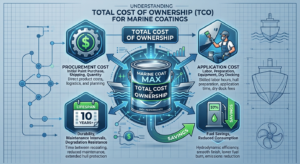
When making a strategic ballast tank coating selection, focusing solely on the initial purchase price of the marine paint is a critical error. A genuine lifecycle cost analysis scrutinizes the total cost of ownership across the vessel’s entire operational life. This encompasses:
- Material Costs: The price of the coating itself.
- Application Costs: Labor, equipment, and scaffolding.
- Inspection Costs: During and post-application.
- Maintenance & Repair Costs: Future touch-ups, partial repairs, and full re-coats.
- Downtime Costs: The devastating economic impact of your vessel being out of service.
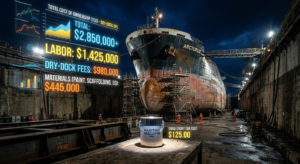
A superior quality coating system, while potentially having a higher upfront cost, can deliver a significantly extended coating lifespan, drastically reducing the frequency of expensive dry-docking events for repairs and re-coating. This forward-thinking approach directly contributes to maximizing asset life and minimizing downtime, ultimately yielding a far greater ROI on ship coatings. For robust asset integrity management, a holistic cost perspective is essential.
Optimizing Dry-Docking and Supercharging Operational Efficiency
Strategic coating selection is a game-changer for dry-docking optimization. By opting for a coating system with a proven, extended service life, shipowners can precisely align coating maintenance cycles with scheduled dry-dockings, thereby eradicating unscheduled stoppages. This proactive strategy fuels greater operational efficiency in shipping by keeping vessels actively in service, earning revenue, for longer periods.
Furthermore, advanced coating technologies often feature rapid curing times, enabling quicker turnarounds during dry-dockings. This efficiency gain directly slashes downtime and dramatically boosts the vessel’s earning potential. Innovative products like our AquaShield Ballast Tank System are engineered for rapid application and swift curing, ensuring your vessels return to service faster, maximizing profit.
The Undeniable ROI on Ship Coatings: A Clear Business Case
The return on investment (ROI on ship coatings), particularly for ballast tanks, is overwhelmingly compelling. A robust coating system delivers:
- Extended Vessel Lifespan: Protecting the ship’s core structure from decay directly prolongs its operational life, delaying the need for prohibitively expensive new builds.
- Reduced Maintenance Costs: Fewer repairs, less frequent steel renewals, and longer intervals between major re-coats drastically cut expenditure.
- Minimized Downtime: Maximizing the time your vessel is at sea, earning revenue, instead of undergoing repairs in port.
- Enhanced Safety: A structurally sound vessel is a safer vessel, mitigating risks to crew, cargo, and the environment.
- Regulatory Compliance: Avoiding crippling penalties and preserving an impeccable reputation within the demanding maritime industry.
By diligently choosing the right ballast tank coating, maritime operators are not merely fulfilling a maintenance checklist; they are implementing a strategic decision that drives profound financial and operational advantages. The long-term savings in maintenance, repairs, and avoided downtime far eclipse the initial investment in high-performance coatings.
Conclusion: The Unshakeable Foundation for Maritime Success
The strategic selection of ballast tank coatings is the bedrock of modern vessel maintenance and asset integrity management. It’s a decision that reverberates through every facet of a ship’s operation, from its structural resilience and safety to its operational efficiency in shipping and financial prowess. By championing robust corrosion protection solutions, strictly adhering to stringent maritime regulations like IMO PSPC compliance, and executing thorough lifecycle cost analysis, shipowners and operators can secure a decisive competitive edge.
Remember, choosing the right ballast tank coating is a vital investment in the prosperity of your fleet. It ensures a dramatically longer asset life, drastically minimizes costly downtime, and guarantees unwavering compliance with international standards, forging an unshakeable foundation for sustainable and profitable maritime operations.
External Links for Further Reading: