<!DOCTYPE html>
Hard vs. Ablative: Optimizing Commercial Vessel Bottom Paint for Peak ROI
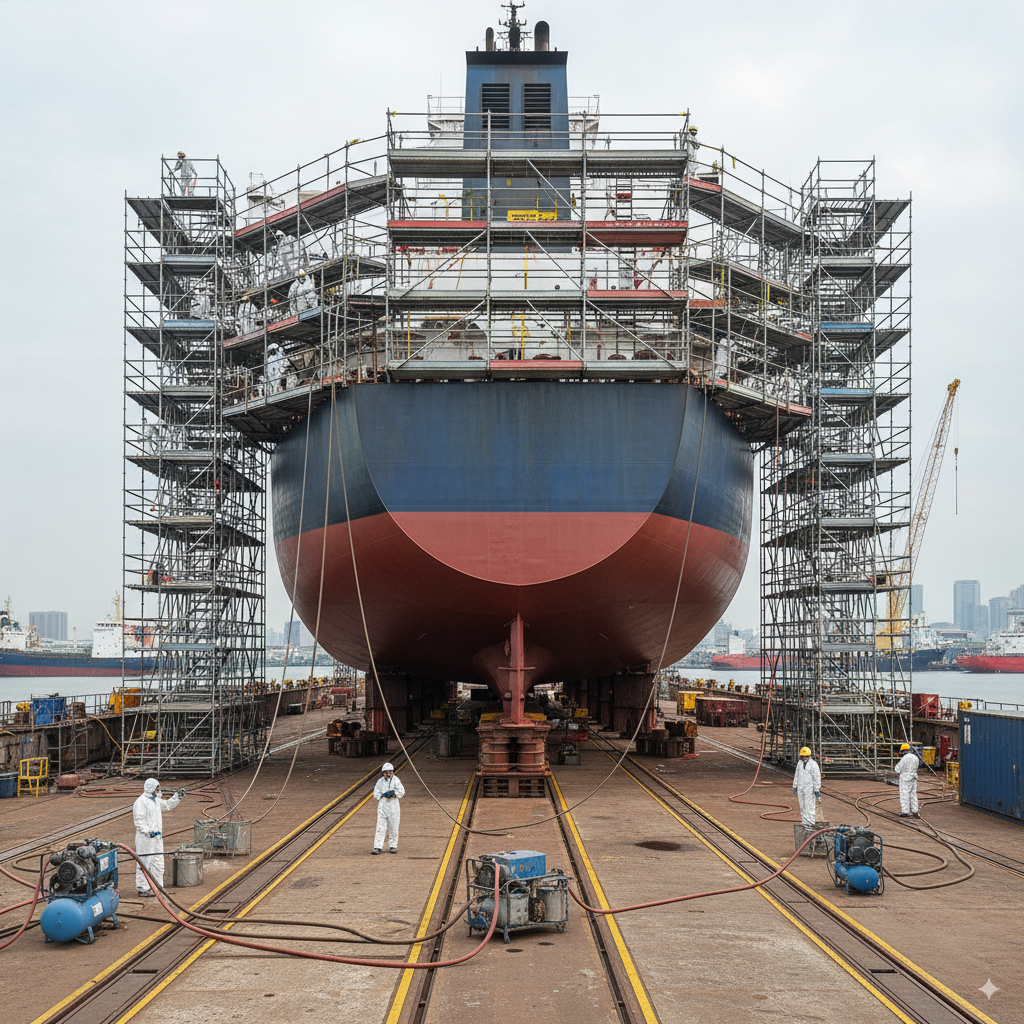
In the fiercely competitive realm of commercial shipping, every operational decision profoundly impacts profitability. Fleet managers continually seek methods to enhance efficiency and bolster their ROI. One often-underestimated yet critical area is the strategic choice of bottom paint for commercial vessels. The discussion around hard vs. ablative bottom paint for commercial vessels transcends mere technical specifications; it’s a crucial economic analysis that significantly influences a fleet’s long-term financial health.
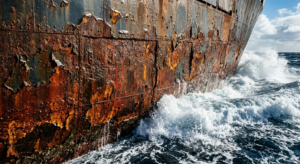
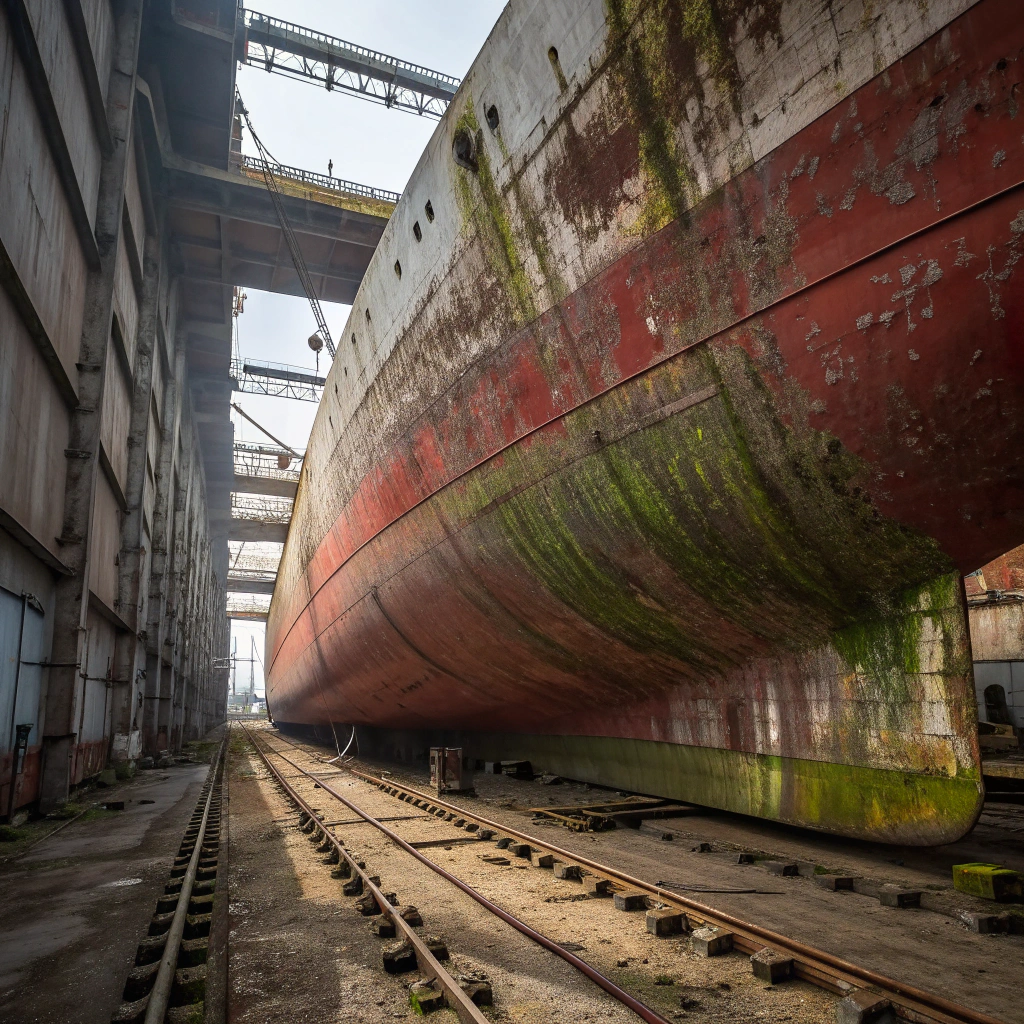
Biofouling—the unsightly accumulation of marine organisms—is a silent drain on efficiency. It dramatically increases drag, forcing engines to work harder, escalating fuel consumption, and boosting greenhouse gas emissions. This leads to substantial increases in lifetime costs and accelerates wear on machinery. Selecting the right marine coatings, particularly the antifouling paint for the hull, is paramount to maintaining optimal performance and managing these expenses. This article will dissect the characteristics, advantages, and disadvantages of both hard and ablative antifouling paints, empowering you to make an informed decision aligned with your fleet’s unique operational profile.
The True Cost of Biofouling: Why Your Bottom Paint Choice Matters
Before delving into paint types, understanding the pervasive impact of biofouling is essential. A heavily fouled hull can experience a drag increase of up to 40% or more, directly translating to a significant drop in fuel efficiency. For a commercial vessel burning thousands of gallons of fuel daily, even a minor percentage increase in consumption can lead to astronomical expenses annually. Beyond fuel, unchecked biofouling can:
- Reduce Vessel Speed: Disrupting delivery times and operational schedules.
- Increase Emissions: Leading to environmental compliance issues and potential penalties.
- Accelerate Corrosion: Organisms can create micro-environments that promote hull corrosion.
- Intensify Hull Maintenance: Requiring more frequent, aggressive cleaning that can damage existing coatings and the hull itself.
- Impact Dry Dock Schedule: More intensive cleaning and repainting can extend vessel downtime, directly impacting revenue.
Effective biofouling combat is a cornerstone of sound fleet management and maximizing the ROI of your maritime assets. The correct antifouling paint acts as your primary defense, proactively preventing these costly issues.
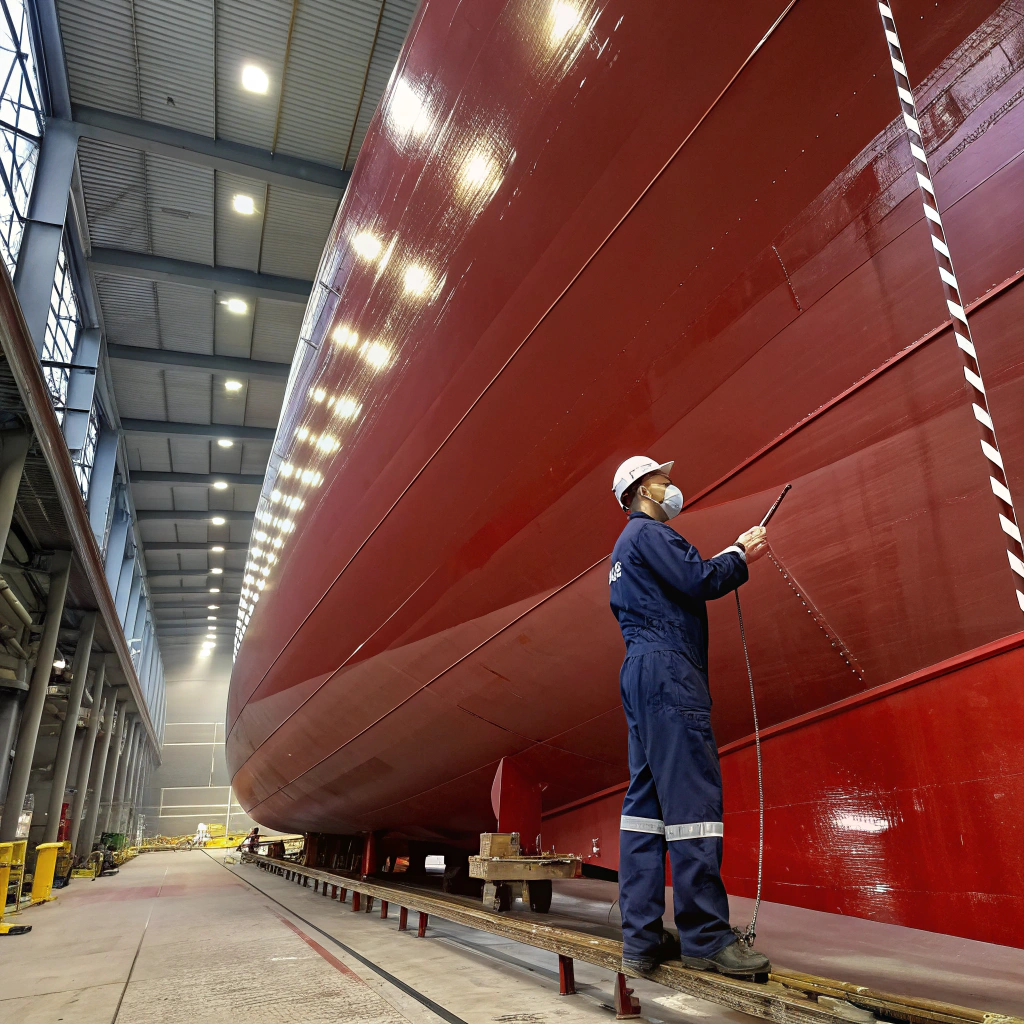
Hard Antifouling Paints: The Resilient Barrier
Hard antifouling paints, often referred to as modified epoxy or contact leaching paints, are known for their durable, non-sloughing finish. They form a solid film on the hull, from which biocides slowly leach out to deter marine growth, while the paint layer remains largely intact.
Characteristics and Advantages
- Durability: Hard paints are tough, making them ideal for high-speed vessels or those experiencing frequent abrasion. They withstand scrubbing and aggressive cleaning better than ablative types.
- Consistent Film Thickness: The paint layer doesn’t wear significantly, maintaining a stable thickness throughout its service life.
- Good for Stationary Vessels: For vessels that spend considerable time at anchor or dock, hard paints offer effective protection as their biocide release isn’t heavily dependent on water flow.
- High Performance in Specific Conditions: Certain hard paints are engineered for specific operating environments, offering robust antifouling performance. For example, our JDL44-83 Bituminous Antifouling Paint provides a tough barrier against marine growth, ensuring hull longevity in challenging conditions.
Disadvantages and Considerations
Despite their durability, hard paints have drawbacks. Over time, the biocide in the outer layer depletes, leaving an inert shell. This necessitates more frequent hull maintenance to remove accumulated layers and reapply fresh paint. If not managed, this can lead to excessive paint build-up, increasing hull roughness and impairing fuel efficiency. The removal process itself can be labor-intensive and costly, impacting your dry dock schedule. The biocide release profile can also be less consistent over the paint’s lifespan compared to ablative types.
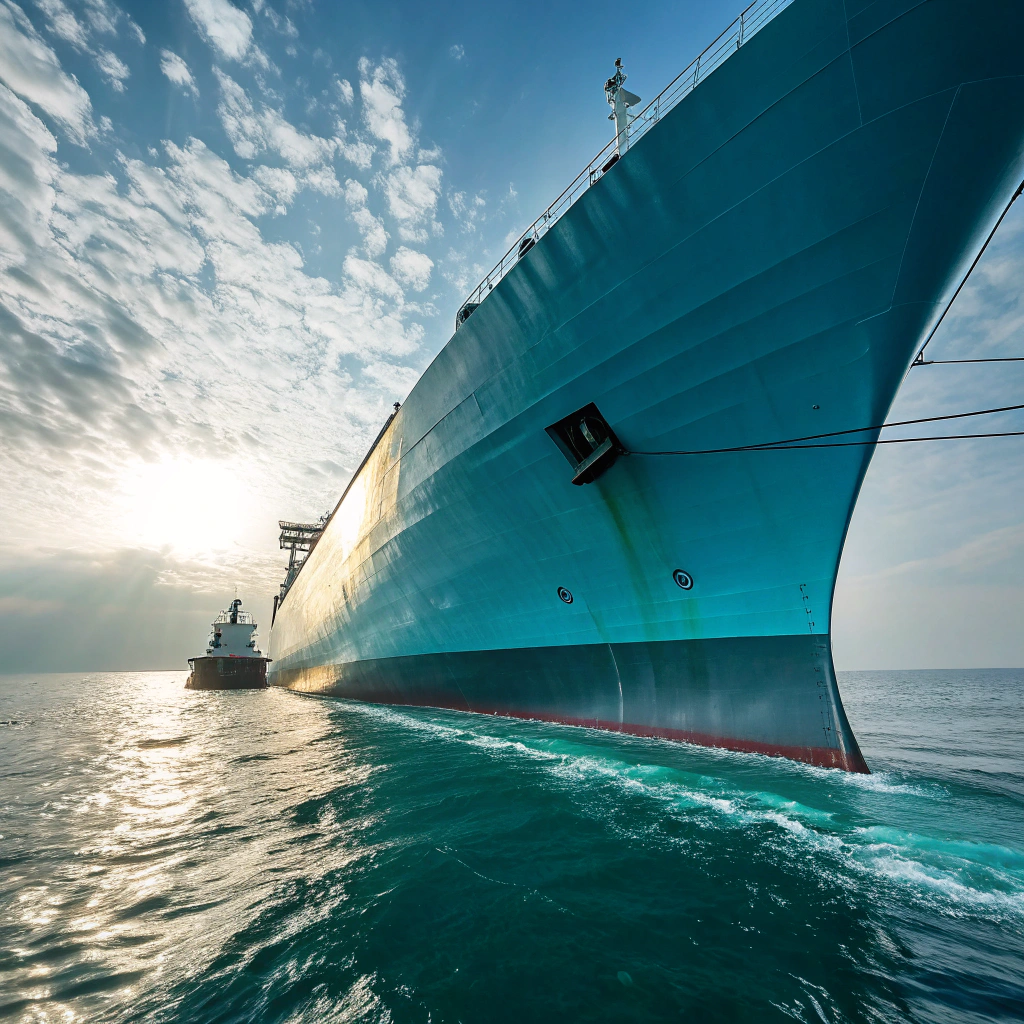
Ablative Antifouling Paints: The Self-Polishing Solution
Ablative antifouling paints operate on a ‘self-polishing’ principle, designed to slowly erode, much like a bar of soap. As the outer layer ablates, it continuously exposes a fresh surface rich in biocides, thereby maintaining consistent antifouling performance. This controlled erosion also helps maintain a smoother hull.
Characteristics and Advantages
- Consistent Biocide Release: The self-polishing action ensures a steady supply of biocides, providing continuous protection against fouling throughout the paint’s effective life.
- Smoother Hull Surface: By continuously polishing, ablative paints help reduce drag, directly translating to improved fuel efficiency and lower operational costs.
- Reduced Paint Build-up: As the paint wears away, there’s less accumulation of old paint layers, meaning less scraping and sanding during subsequent repaints. This significantly reduces hull maintenance labor and material costs.
- Extended Service Intervals: Depending on the specific product and operational profile, ablative paints can offer longer intervals between full paint stripping and reapplication, optimizing your dry dock schedule and minimizing costly vessel downtime.
- Versatility: Modern ablative paints are available in diverse formulations, suitable for a wide range of vessel speeds and operating conditions, making them a versatile choice for many commercial fleets.
Disadvantages and Considerations
The primary consideration for ablative paints is that their effectiveness can be tied to vessel movement. For vessels stationary for extended periods, the ablation process may slow, potentially reducing consistent biocide exposure. While excellent for maintaining hull smoothness, extremely high-speed vessels might experience accelerated ablation, leading to a shorter effective lifespan. Careful selection based on the vessel’s typical speed and activity is crucial.
The Economic Analysis: Hard vs. Ablative for Maximizing ROI
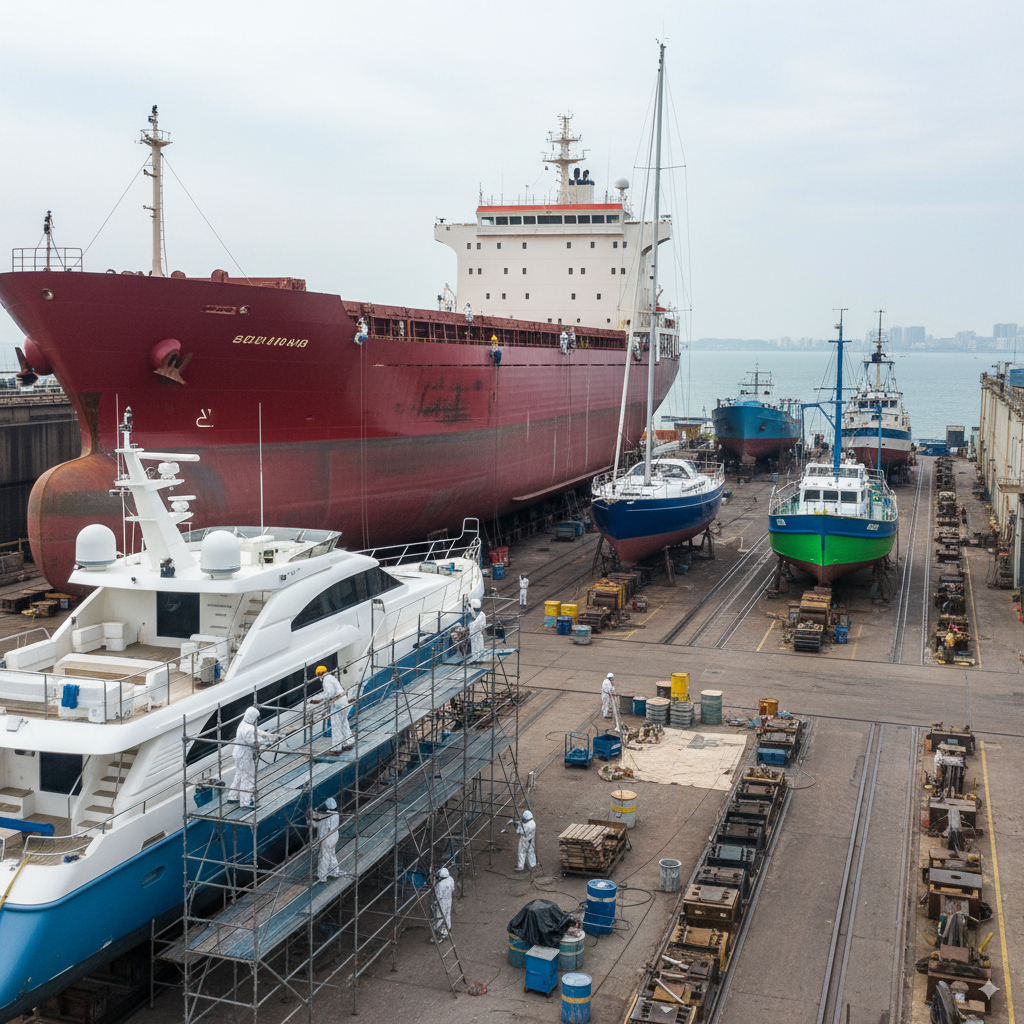
The decision between hard vs. ablative bottom paint for commercial vessels is ultimately an economic analysis focused on maximizing ROI. There’s no one-size-fits-all answer; the optimal choice depends heavily on your fleet’s specific operational profile, environmental regulations, and long-term financial strategy.
Key Factors in Your Decision:
- Vessel Speed and Activity:
- High-Speed Vessels: While hard paints offer durability, the drag penalty from fouling can be substantial. Modern, durable ablative paints designed for higher speeds often provide superior overall fuel efficiency due to their self-polishing effect.
- Slow-Moving or Stationary Vessels: Hard paints can be effective as they don’t rely on water flow for biocide release. However, the eventual build-up and stripping costs must be factored into lifetime costs. Ablative paints can still be viable if formulated for consistent biocide release even at low speeds.
- Mixed Operational Profiles: Many commercial vessels have varied operational patterns. Consulting with marine coating specialists is essential to select a paint that performs across diverse conditions.
- Dry Dock Schedule and Re-application Frequency:
- Hard paints typically require stripping and re-application of antifouling layers more frequently to avoid excessive build-up, potentially extending vessel downtime.
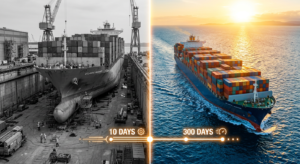
- Ablative paints, by self-polishing, reduce the need for aggressive stripping, potentially shortening your dry dock schedule and reducing labor costs associated with surface preparation and re-application frequency. This can lead to significant savings in lifetime costs.
- Fuel Efficiency: This is perhaps the most significant factor impacting ROI. A smoother hull, consistently maintained by ablative paints, directly translates to lower drag and better fuel efficiency. Over a vessel’s lifespan, these savings can far outweigh the initial paint cost difference. Research consistently shows even minor fouling leads to considerable increases in fuel consumption, highlighting the critical role of superior antifouling performance.
- Environmental Regulations: Stricter environmental regulations regarding biocide release are becoming more common. Both paint types must comply, but understanding their mechanisms can help choose a more environmentally responsible option for your operating regions.
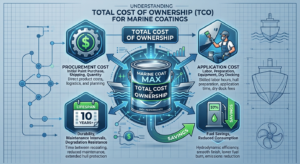
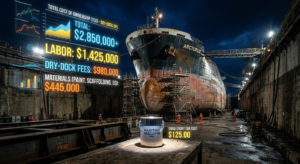
- Initial Cost vs. Lifetime Cost: While hard paints might have a lower initial purchase price, a thorough economic analysis must consider the lifetime costs associated with increased fuel consumption, more frequent hull cleaning, extended dry-docking, and more intensive paint re-application frequency. Often, the higher upfront cost of an advanced ablative system is rapidly offset by operational savings.
Beyond Antifouling: A Holistic Approach to Marine Coatings
While bottom paint is crucial, a comprehensive marine coatings system involves more than just antifouling. Protecting the entire hull above and below the waterline contributes to the vessel’s longevity, aesthetics, and overall ROI.
- For areas of the hull not requiring antifouling, robust protective coatings are essential. Our JDB902 Acrylic Hull Paint offers excellent durability and aesthetic appeal for the main hull. Following this with a topcoat like JDB903 Modified Acrylic Topcoat enhances gloss retention and provides an additional layer of protection against weathering and abrasion, further extending the hull’s life and reducing hull maintenance needs.
- The boot-topping area, alternately immersed and exposed to air, requires specialized protection. For this challenging zone, our JDC42-31 Alkyd Boottopping Paint provides excellent resistance to splash, abrasion, and harsh marine environments, completing a robust coating system.
The proper surface preparation before applying any marine coating is non-negotiable. Without it, even the best paint will fail prematurely. Adhering to manufacturer guidelines for application and re-application frequency is critical to achieving promised performance and maximizing the coating’s lifespan.
Conclusion: Tailoring Your Choice for Peak Performance
The debate between hard vs. ablative bottom paint for commercial vessels underscores a fundamental principle in fleet management: understanding the nuances of your operations is key to making profitable decisions. There’s no universal ‘best’ paint; rather, there’s the best paint for your vessel, considering its operational profile, trade routes, typical speeds, and desired dry dock schedule.
By carefully evaluating the ROI implications—including fuel efficiency, lifetime costs, potential vessel downtime, and hull maintenance requirements—fleet managers can make an informed choice that prioritizes total cost of ownership over initial purchase price. Modern marine coatings offer sophisticated solutions, and leveraging products that provide consistent antifouling performance and durability will undoubtedly contribute to a more efficient, profitable, and environmentally responsible commercial fleet.
Don’t let biofouling silently erode your profits. Engage with marine coating specialists to conduct a thorough economic analysis for your fleet. By tailoring your bottom paint strategy, you’re not just buying paint; you’re investing in the future performance and profitability of your commercial vessels.