Marine CoatingProduct Directory
Browse JD Marine Paint product pages for hull, deck, tank, underwater, and steel protection projects. Choose by service area, coating layer, substrate, and maintenance objective before opening the detailed product page.
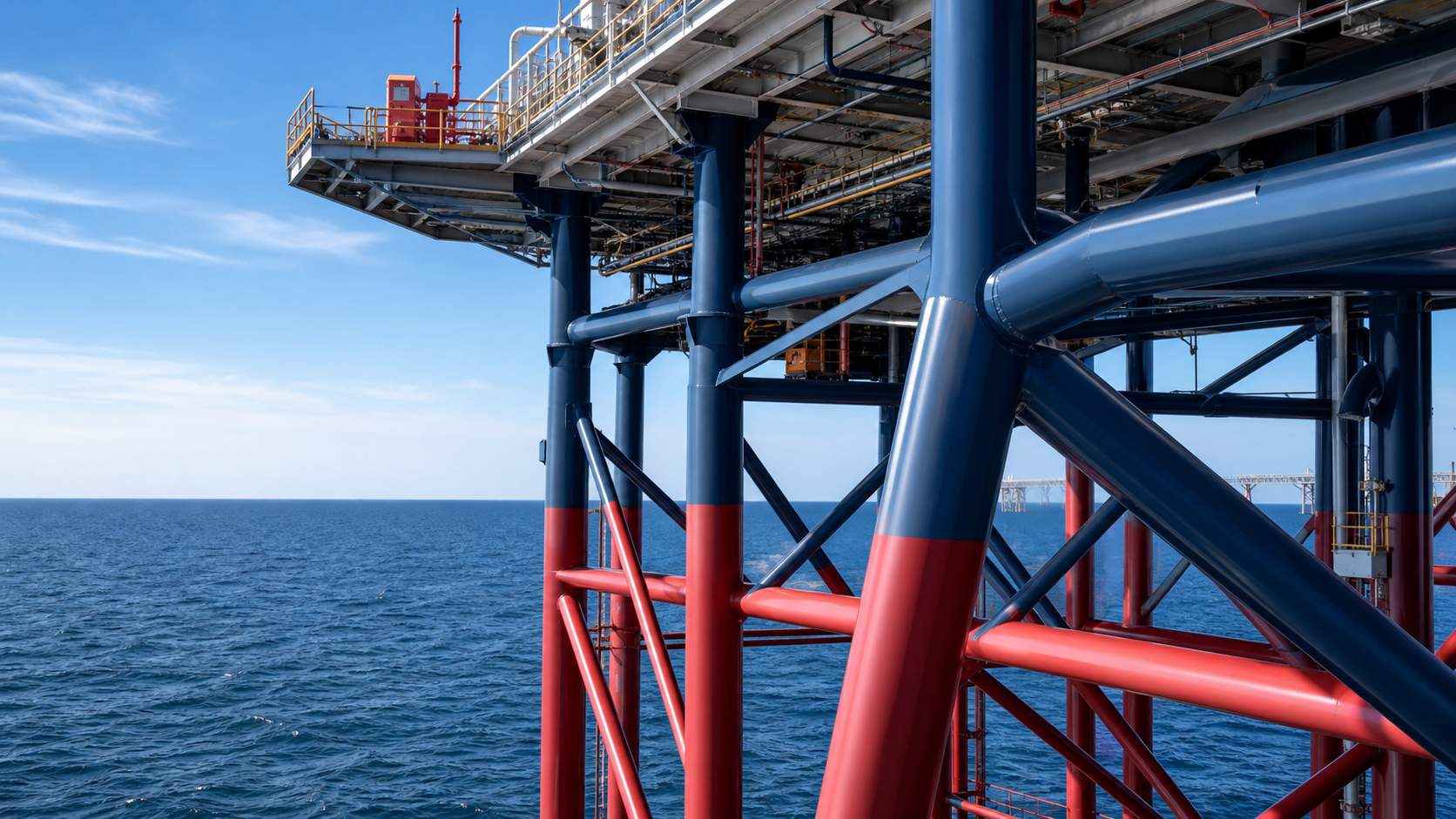
Start from the coating layer or service area.
Browse by coating role
Each card links to a dedicated product page with application areas, system tables, technical documents, related products, and a project inquiry section.
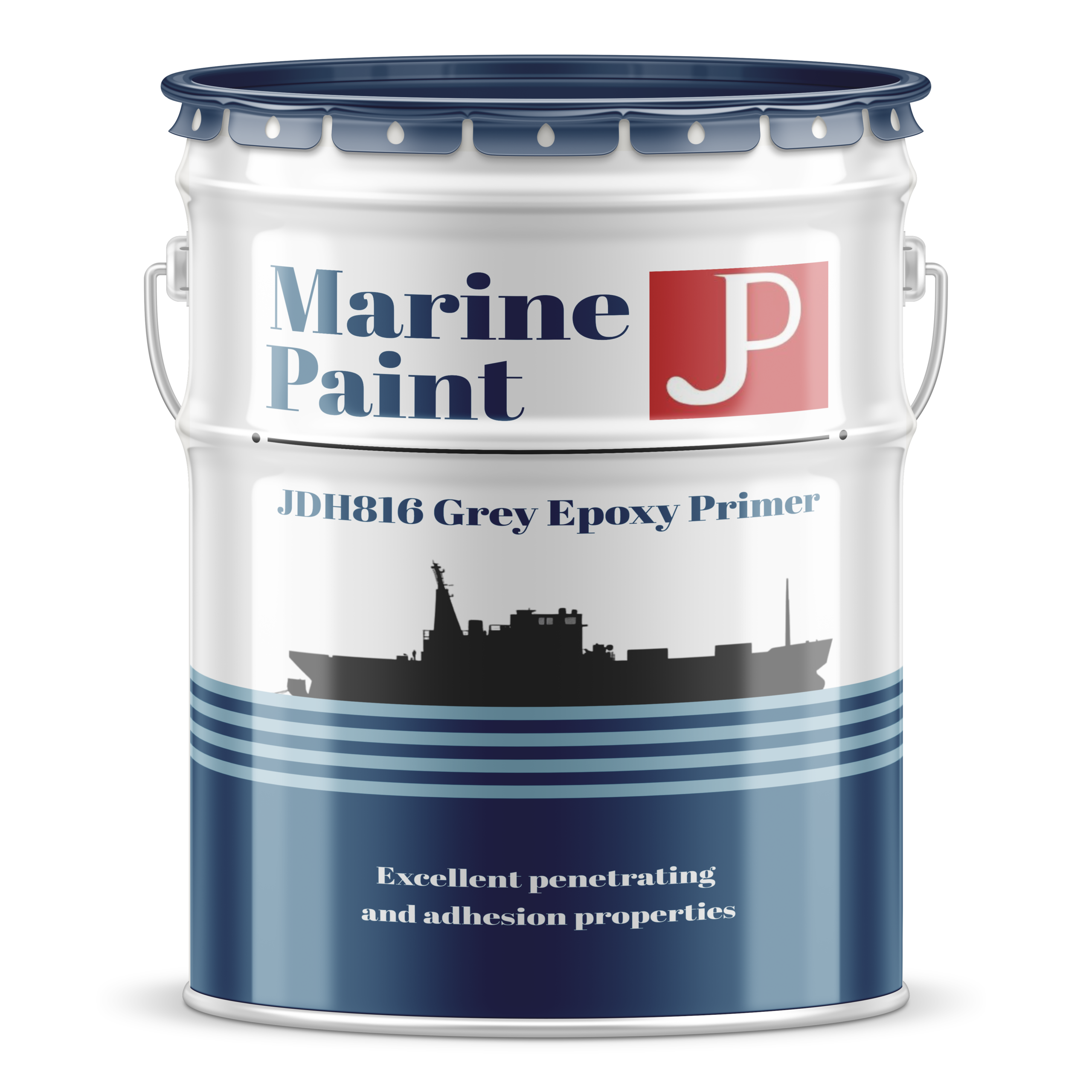
Marine Epoxy Primer
Primer selection for blasted steel, zinc-rich systems, repair-friendly surfaces, galvanized steel, aluminum, and primer-to-topcoat compatibility planning.
View Product Page ->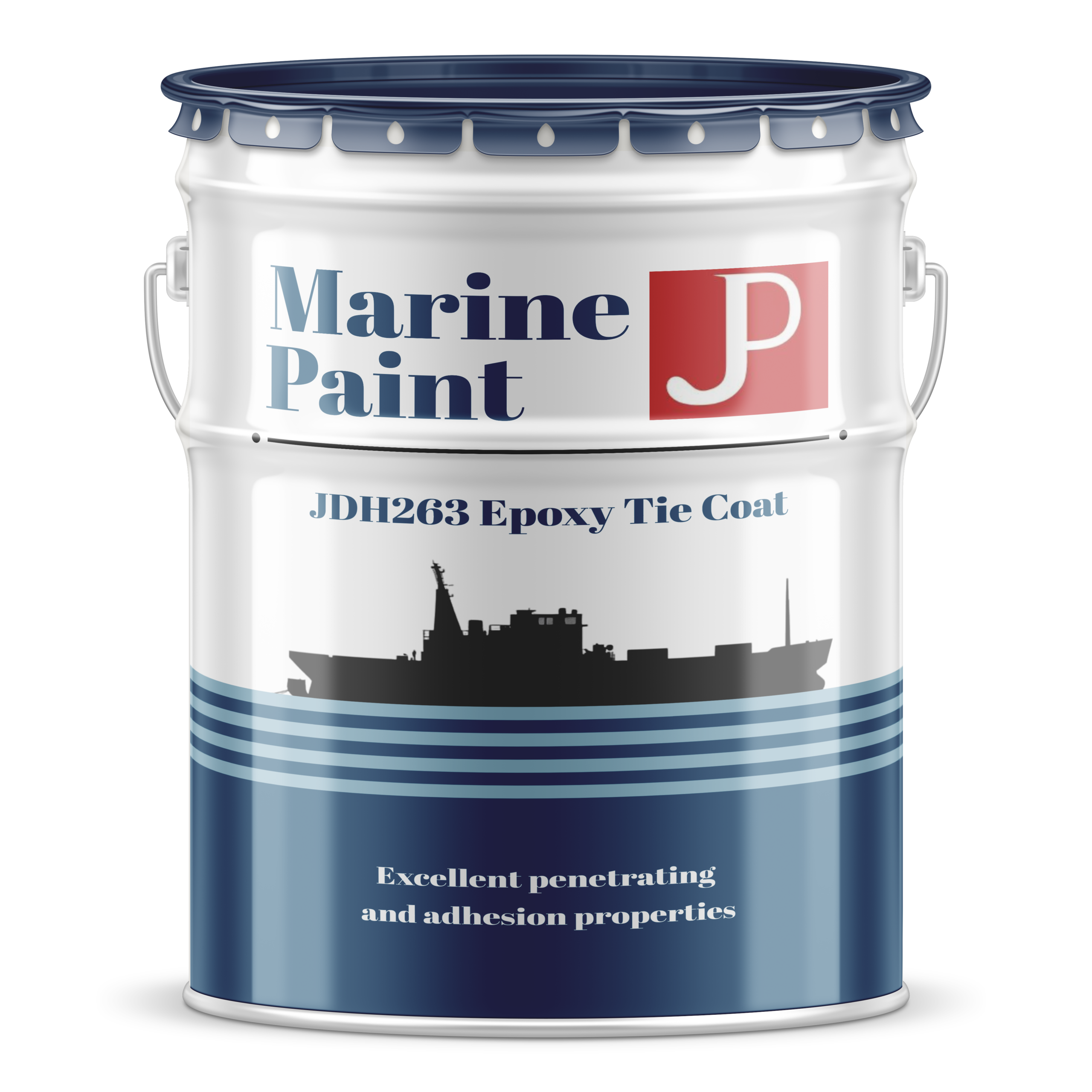
Marine Epoxy Paint
High-build epoxy coating logic for hull structures, tanks, cargo holds, offshore steel, port facilities, and heavy-duty marine corrosion protection.
View Product Page ->
Antifouling Paint
Antifouling page for self-polishing and chlorinated rubber systems, dry-dock repainting, underwater hull service, and route-based fouling pressure.
View Product Page ->
Marine Polyurethane Paint
Durable polyurethane finish page for topsides, superstructures, deck equipment, visible exterior steel, gloss retention, and UV/weather exposure.
View Product Page ->
Marine Alkyd Paint
Practical alkyd maintenance page for anti-rust primer, deck repaint, boottopping bands, above-waterline repair, and cost-sensitive repaint work.
View Product Page ->Choose by project requirement
Use this table as a fast route before opening the detailed product page. Final coating selection should confirm substrate, old coating, exposure, and latest TDS.
| Project need | Recommended page | Typical use area | Selection note |
|---|---|---|---|
| First coating on prepared steelNeed primer before intermediate, antifouling, or finish coat. | Marine Epoxy Primer -> | Blasted steel, repair steel, galvanized or aluminum areas when suitable primer is required. | Check surface preparation grade, substrate type, and primer compatibility with the next coating layer. |
| Heavy-duty corrosion protectionNeed high-build anti-corrosion coating for marine steel. | Marine Epoxy Paint -> | Hull steel, ballast tanks, cargo holds, offshore platforms, port steel, and infrastructure. | Confirm immersion, chemical exposure, DFT target, and overcoating window from the latest TDS. |
| Underwater hull fouling controlNeed dry-dock repainting or new antifouling service. | Antifouling Paint -> | Below-waterline hull, boot top transition planning, route-based fouling exposure. | Confirm existing antifouling, tie coat requirement, vessel speed, idle time, and service interval. |
| Exterior gloss and weather protectionNeed a durable visible finish over compatible primer/intermediate. | Marine Polyurethane Paint -> | Hull topsides, superstructures, deck equipment, cranes, masts, and exterior steel. | Use when appearance, UV resistance, and weather exposure are more important than lowest coating cost. |
| Economical repair and maintenanceNeed practical coating for repaint work and general maintenance. | Marine Alkyd Paint -> | Decks, fittings, boottopping bands, above-waterline hulls, machinery bases, and steel maintenance. | Best for simple repair conditions. Confirm compatibility before applying over unknown old coatings. |
How to move from directory to coating system
The product pages are organized to support a practical specification route from service area to document confirmation.
Define service area
Separate underwater hull, ballast tank, deck, superstructure, cargo hold, and repair zones before choosing a product family.
Confirm substrate and old coating
Prepared steel, zinc-rich primer, galvanized steel, aluminum, or aged coating all affect primer and compatibility decisions.
Build the coating layers
Match primer, intermediate coat, topcoat, or antifouling layer based on exposure, service interval, and final appearance.
Check technical documents
Open the product page to download TDS, guide files, and calculators before confirming quantity and application schedule.
Send the project area, substrate, old coating, and service condition.
JD Marine Paint can help narrow the product family before quoting. For technical confirmation, include vessel type, dry-dock schedule, repair area, old coating condition, required color, exposure, and expected coating interval.