
Antifouling Paint for Commercial Vessels and Workboats
Tin-free self-polishing and chlorinated rubber antifouling systems designed to reduce marine growth, support longer dry-docking intervals, and protect underwater hull performance.
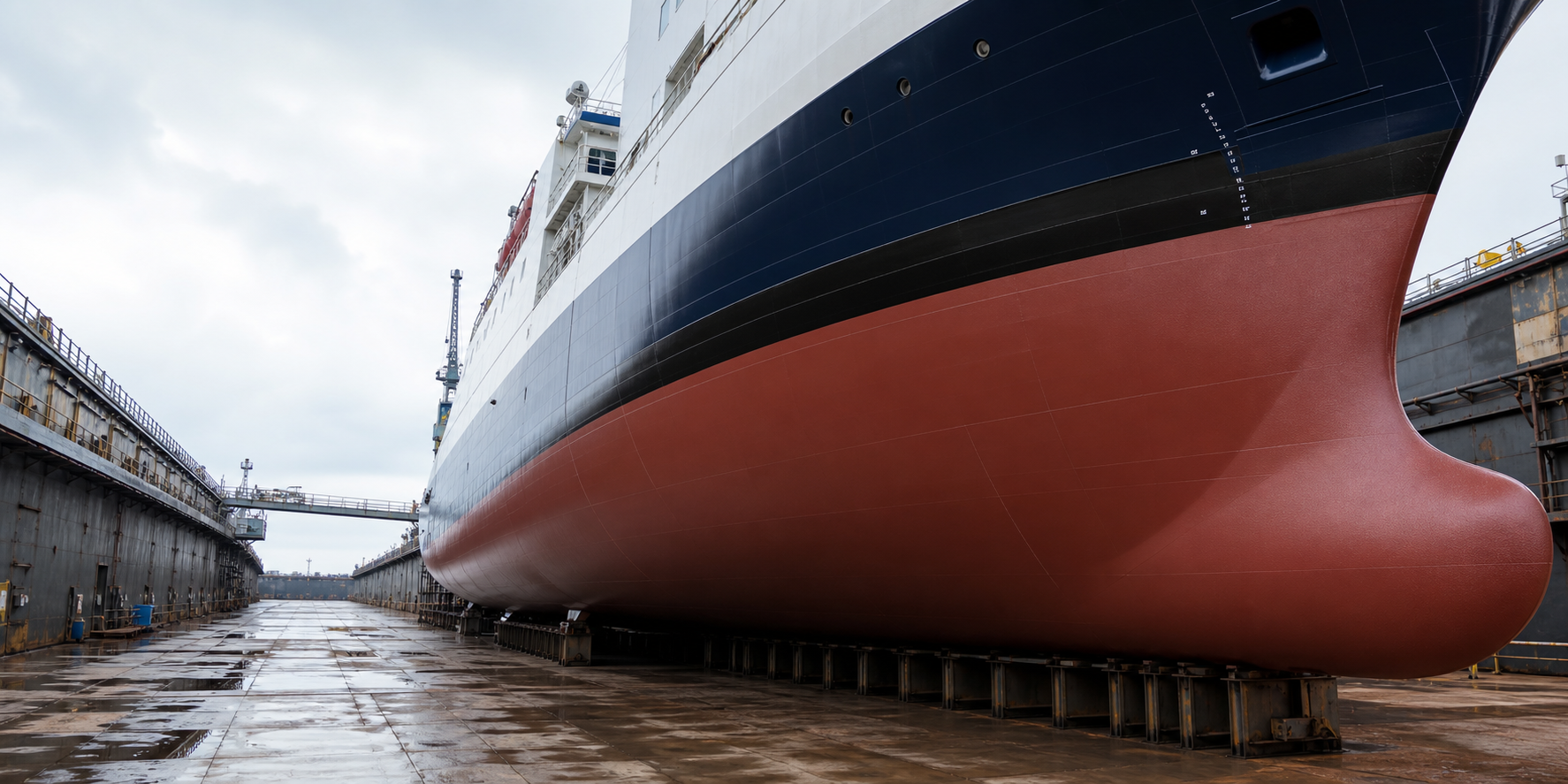
Start from vessel service profile, water area, and dry-docking interval.
Designed for underwater hulls that need long-acting antifouling performance and epoxy system compatibility.
View all products ->Where This System Is Used
Discuss your vessel profile ->Ocean-Going Vessel Bottoms
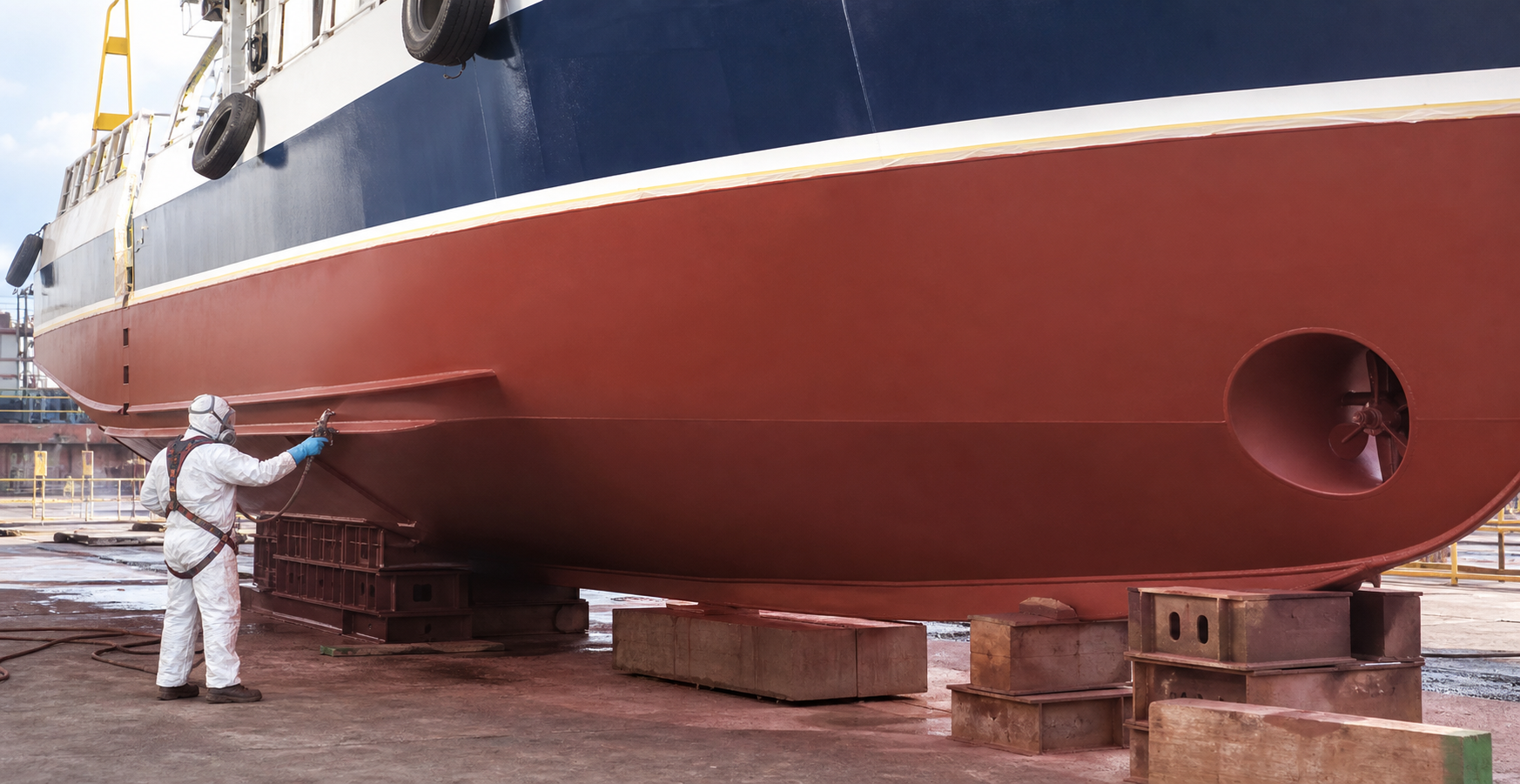
Workboats & Service Boats
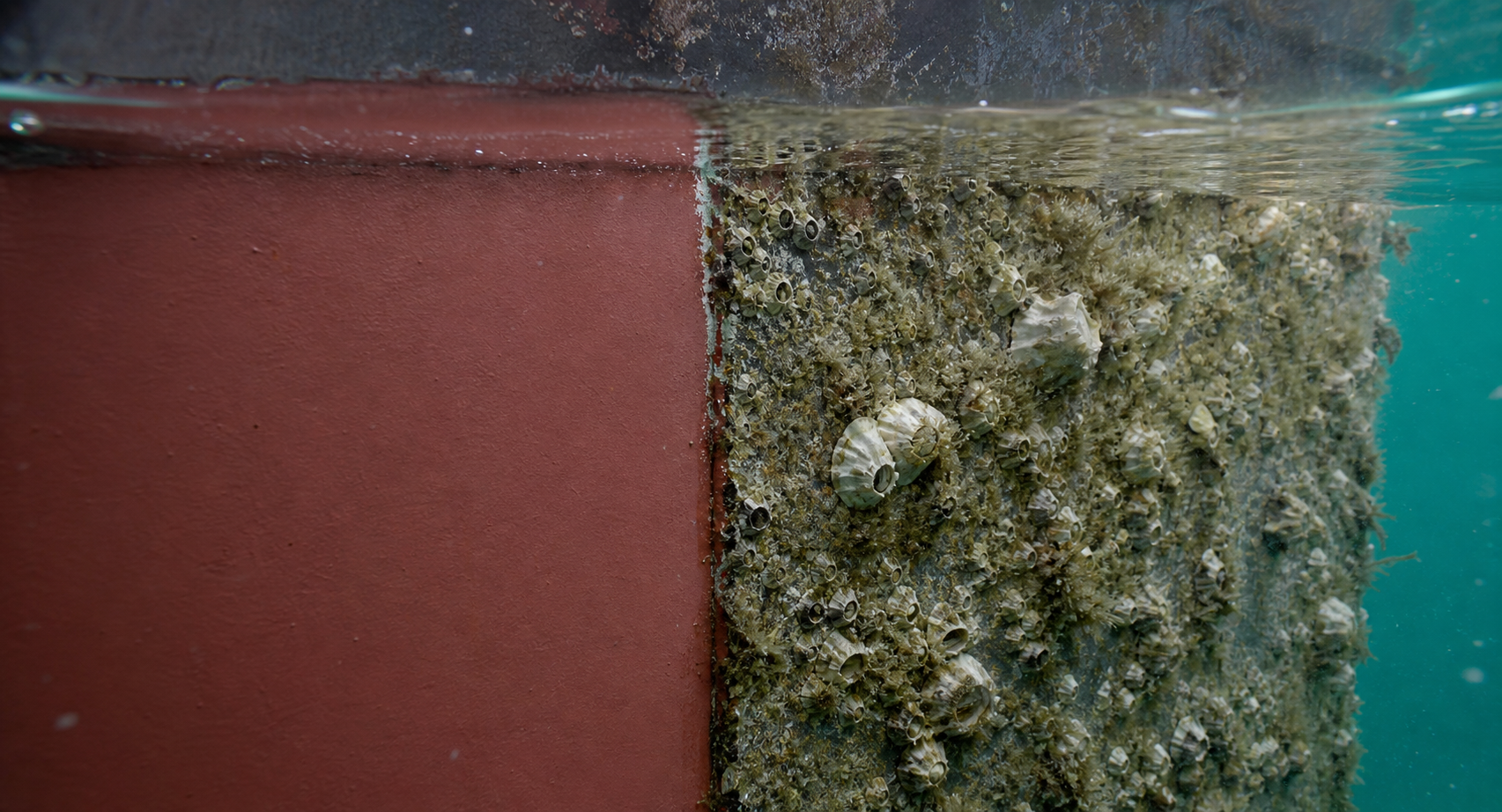
High-Fouling Water Areas
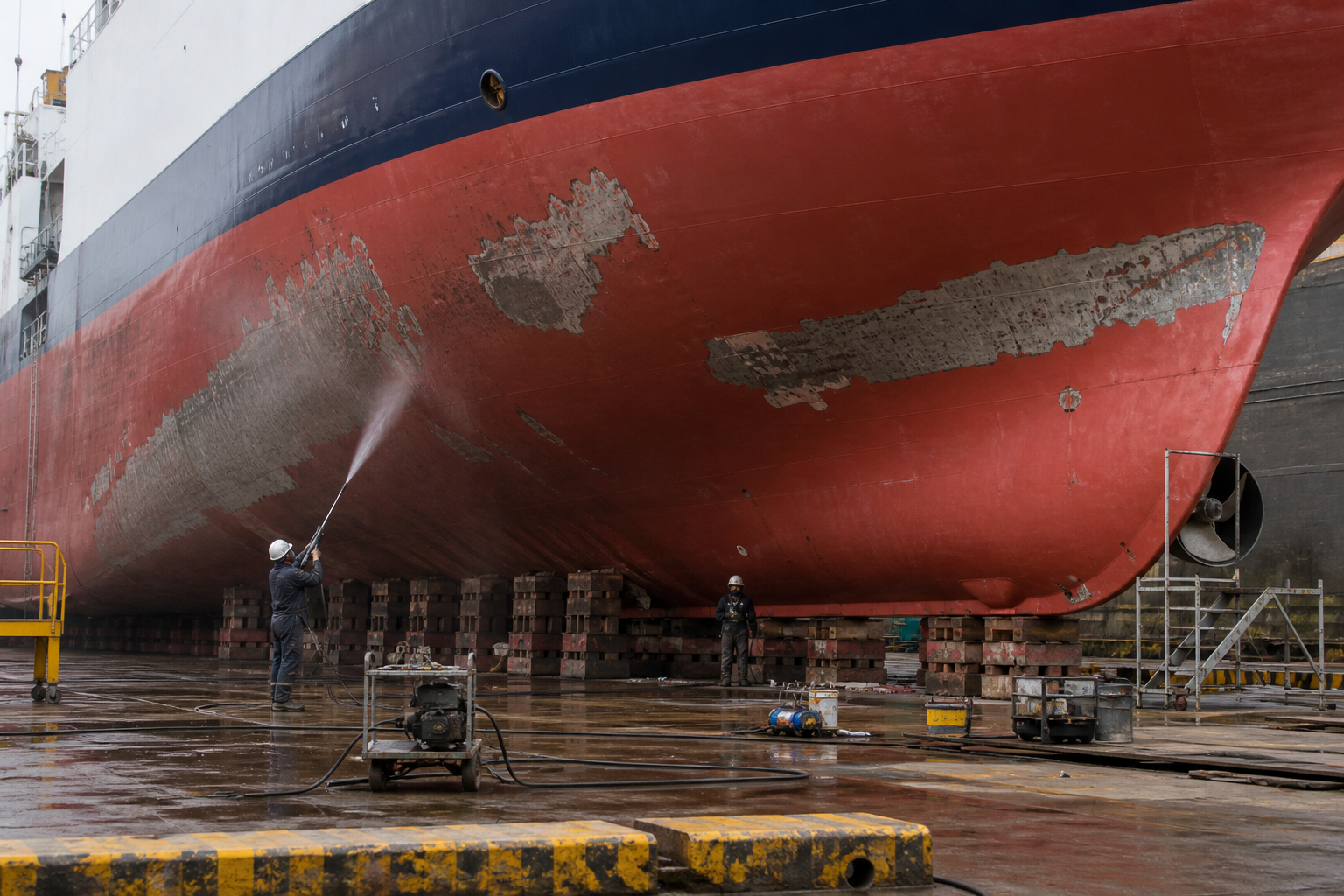
Dry-Dock Maintenance
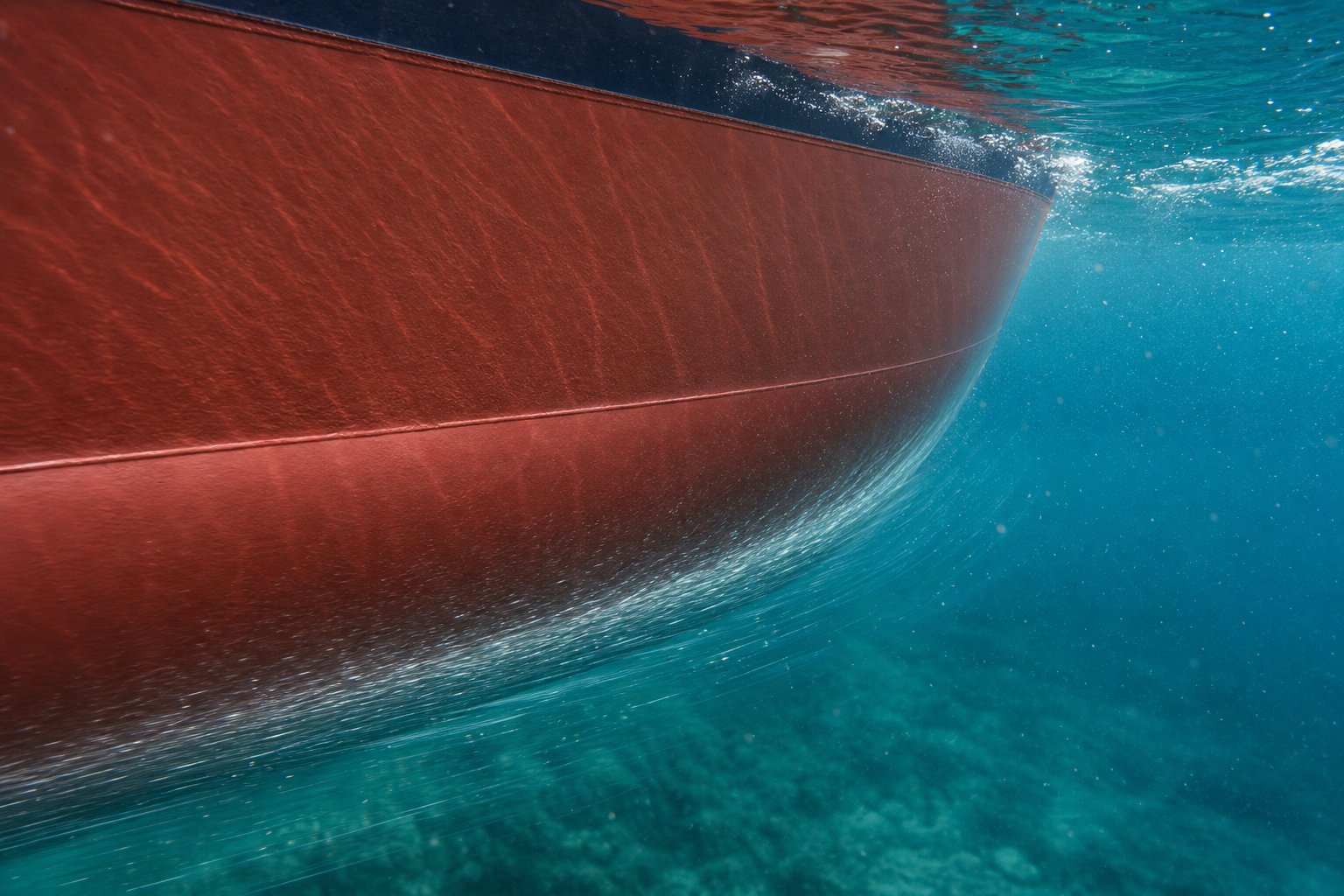
Self-Polishing Systems
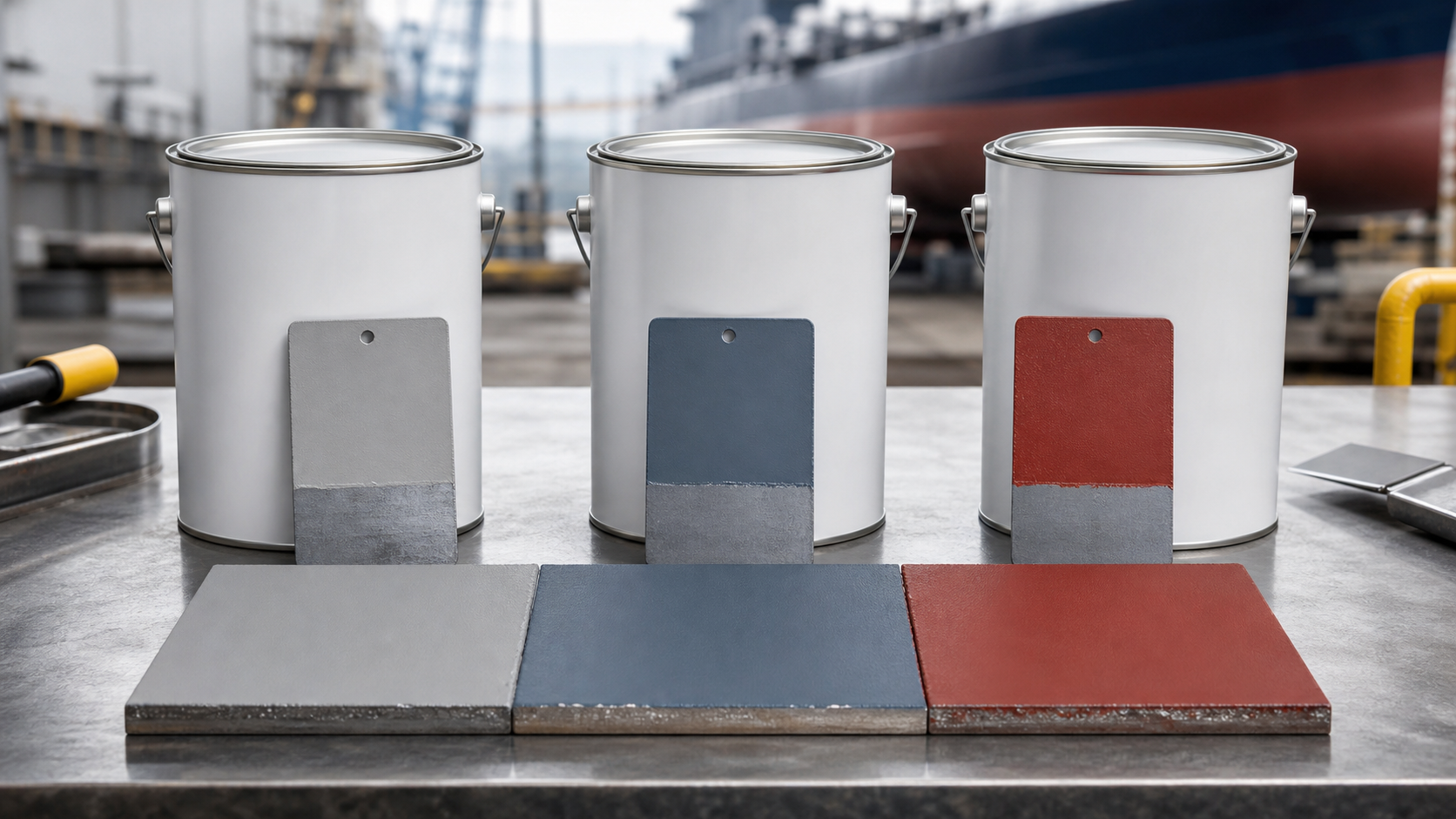
Epoxy Primer + Tie Coat Systems
Build an Antifouling Coating System
Download application guide ->| System Function | Product Recommendation | Typical Role | Best Service Area | Key Benefits |
|---|---|---|---|---|
| First anti-corrosion primer | JDH815 Iron Oxide Red Epoxy PrimerGeneral underwater hull primer before tie coat and antifouling | Primer layer | Prepared hull steel, repair and newbuild systems | Good steel adhesionSalt-water corrosion resistanceCompatible with epoxy tie coat |
| High-protection primer option | JDH06-4 Epoxy Zinc-Rich Anti-Rust PrimerZinc-rich primer for demanding corrosion-control systems | Primer layer | Heavy-duty hull steel, port equipment, vessel repairs | Zinc-layer protectionSupports severe marine exposureGood system foundation |
| Tie coat / transition layer | JDH263 Epoxy Tie CoatConnection layer between epoxy primer and antifouling paint | Tie coat | Below waterline, dry-dock repaint, mixed coating systems | Improves intercoat adhesionUseful before antifouling topcoatReduces compatibility risk |
| Commercial vessel antifouling | JD753 Tin-Free Self-Polishing Antifouling PaintCore long-acting antifouling recommendation | Antifouling topcoat | Ocean-going vessels, commercial fleets, varied water temperatures | Continuous biocide releaseSelf-polishing hull surfaceSupports longer dry-docking interval |
| Standard chlorinated rubber system | JD744 / JD713 Chlorinated Rubber Antifouling PaintPractical antifouling option for maintenance repaint | Antifouling topcoat | Coastal vessels, workboats, routine shipyard repaint | Simple maintenance choiceGood compatibility in repair projectsCost-controlled system |
| Budget / short-interval repair | JDL44-83 Bituminous Antifouling PaintBituminous antifouling for economical underwater protection | Antifouling topcoat | Barges, service vessels, budget repair work | Economical coating optionUseful for short service intervalsSupports practical repair work |
| Enhanced self-polishing option | JD853 Enhanced Self-Polishing Antifouling PaintPremium option for demanding fouling-control projects | Antifouling topcoat | High-fouling ports, warm waters, longer service expectations | Higher-performance selectionUseful where fouling pressure is severeRequest project-specific TDS |
| Recommended System: Epoxy primer + epoxy tie coat + antifouling topcoat for on | ||||
Compare Antifouling Paint Types
| Antifouling Type | Representative Products | Main Use | Best-Fit Vessel Profile | Selection Note |
|---|---|---|---|---|
| Tin-free self-polishing antifouling | JD753Tin-Free Self-Polishing Antifouling Paint | Long-acting underwater hull protection where self-polishing performance is required. | Ocean-going commercial vessels, larger workboats, fleets with planned dry-dock intervals. | Recommended core product for most commercial antifouling inquiries. |
| Enhanced self-polishing antifouling | JD853Enhanced Self-Polishing Antifouling Paint | Higher-performance fouling-control selection for demanding service areas. | Warm water, high fouling pressure, vessels with stronger performance expectations. | Use inquiry form for project-specific recommendation and TDS. |
| Chlorinated rubber antifouling | JD744 / JD713Chlorinated Rubber Antifouling Paint | Standard antifouling solution for maintenance repaint and repair jobs. | Coastal vessels, service boats, short-to-medium maintenance cycles. | Practical choice when cost and repair simplicity matter. |
| Bituminous antifouling | JDL44-83Bituminous Antifouling Paint | Economical underwater antifouling option. | Barges, short-interval maintenance, budget-sensitive projects. | Confirm compatibility with existing coating before repainting. |
| Epoxy tie coat connection | JDH263 / JDH825Epoxy Tie Coat | Transition between epoxy anti-corrosion primer and antifouling finish. | Most underwater hull systems using epoxy primer before antifouling. | Critical when moving from primer to antifouling topcoat. |
Downloads & Technical Documents
Request all documents ->Related Antifouling Products
Ask for product match ->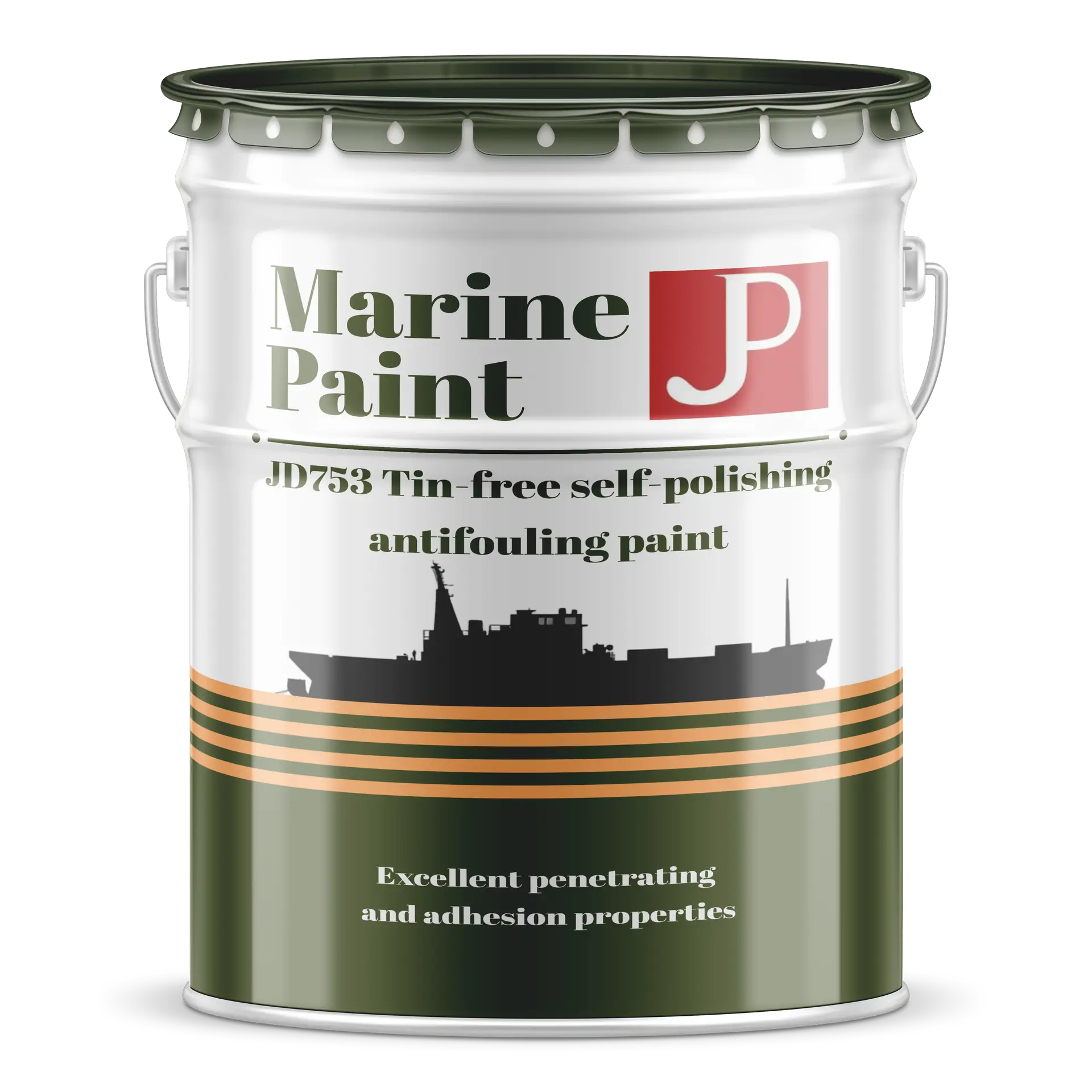
Tin-Free Self-Polishing Antifouling Paint
Core long-acting antifouling paint for commercial vessels, designed to continuously release antifouling agents and resist seawater erosion.
View product ->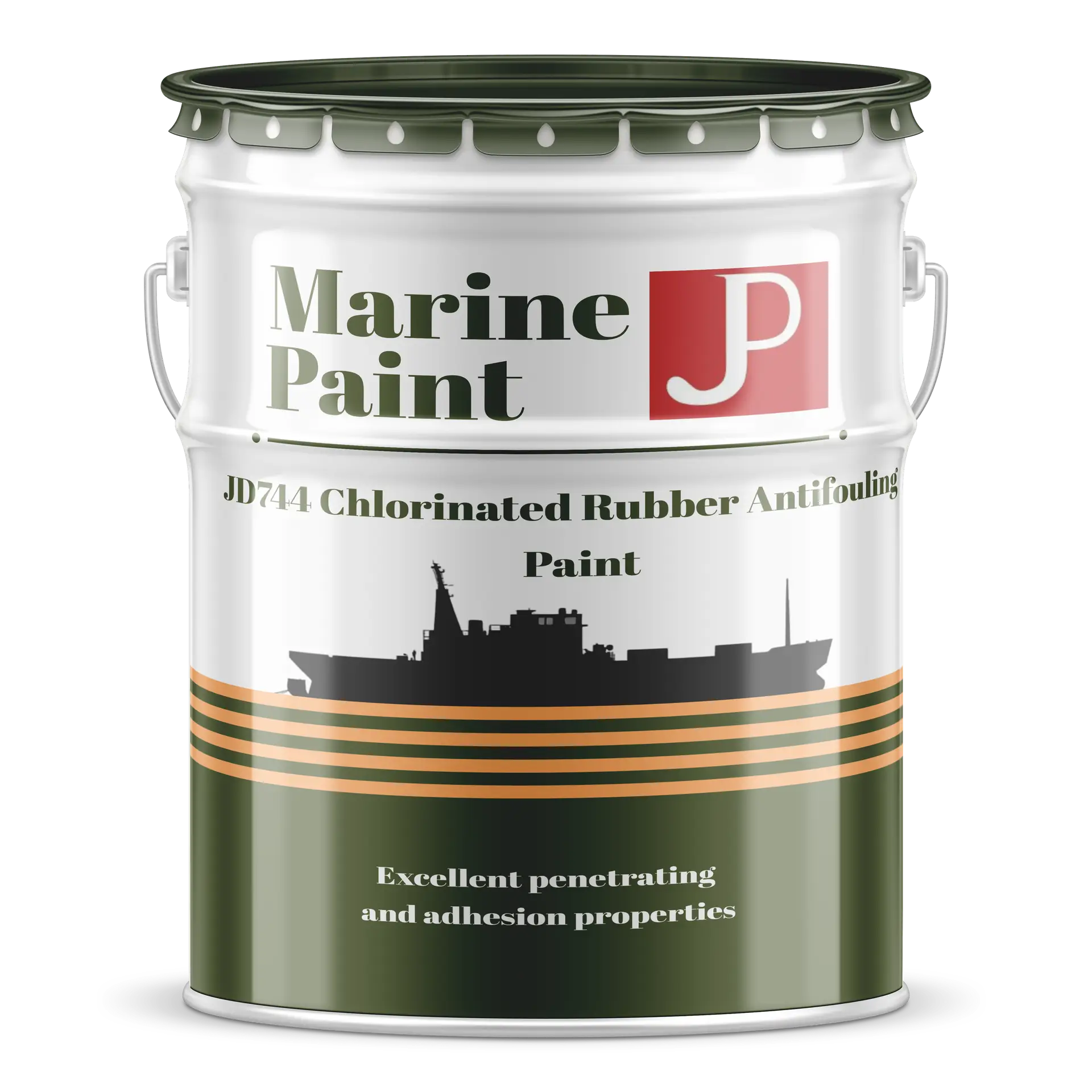
Chlorinated Rubber Antifouling Paint
Maintenance-friendly chlorinated rubber antifouling option for underwater hull repainting and routine dry-dock work.
View product ->
Chlorinated Rubber Antifouling Paint
Standard antifouling paint for repair projects where a simple and practical underwater coating system is needed.
View product ->
Bituminous Antifouling Paint
Economical antifouling selection for short-interval repair, barges, and budget-sensitive marine maintenance projects.
View product ->
Epoxy Tie Coat
Recommended transition layer between epoxy primer and antifouling topcoat for underwater hull coating systems.
View product ->Learn more about antifouling performance and vessel ROI
Slash Costs & Stay Compliant with Antifouling Paint
Use this as the main support article for commercial buyers evaluating performance, regulation, and operating cost.
Read guide -> Fleet WarrantyAntifouling Warranties: Is Your Fleet Really Covered?
Helps shipowners understand warranty limits, coating expectations, and documentation before selecting a system.
Read guide -> ROI DecisionCopper-Free vs. Copper-Based Antifouling: Your ROI Decider
Supports buyers comparing antifouling technologies through operating cost, fouling risk, and route profile.
Read guide -> Paint TypeHard vs. Ablative: Optimizing Commercial Vessel Bottom Paint
Useful for explaining why vessel speed, idle time, and dry-docking plans affect antifouling choice.
Read guide -> Performance StandardsMarine Antifouling Coating Performance Standards Guide
Gives technical context for evaluation standards, coating performance, and buyer-side specification review.
Read guide -> Surface PreparationDry-Docking Surface Treatment Before Painting
Connects dry-dock cleaning, surface preparation, and adhesion with final antifouling system performance.
Read guide ->Ask for an Antifouling Paint Recommendation
Share vessel type, operating waters, dry-docking interval, existing coating condition, fouling pressure, and preferred product type. The technical team can recommend an antifouling system and confirm primer, tie coat, DFT, and application guidance.